
Music for All Time
Glendale High School Band and Orchestra, Glendale, Arizona


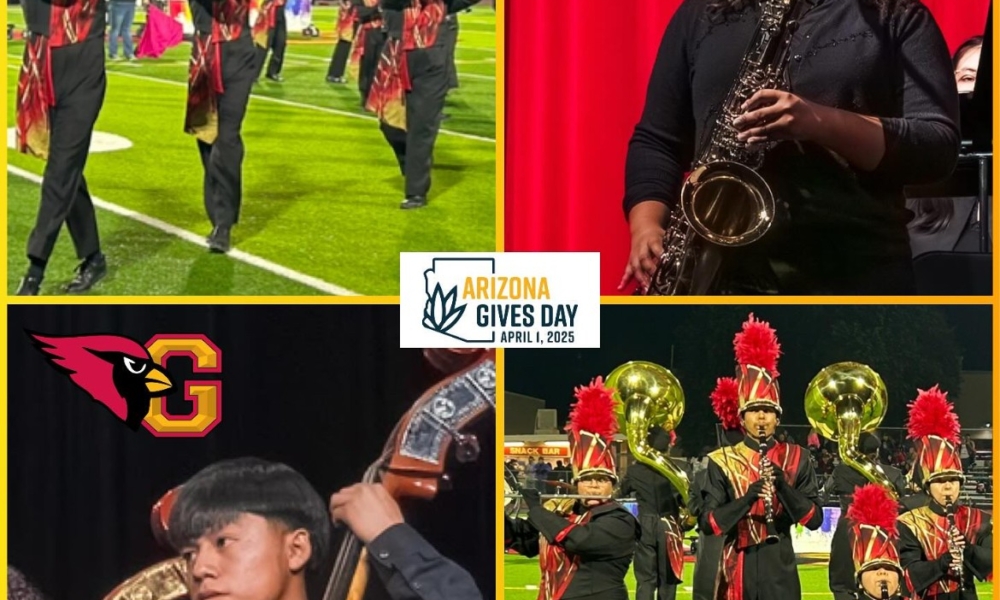

Description
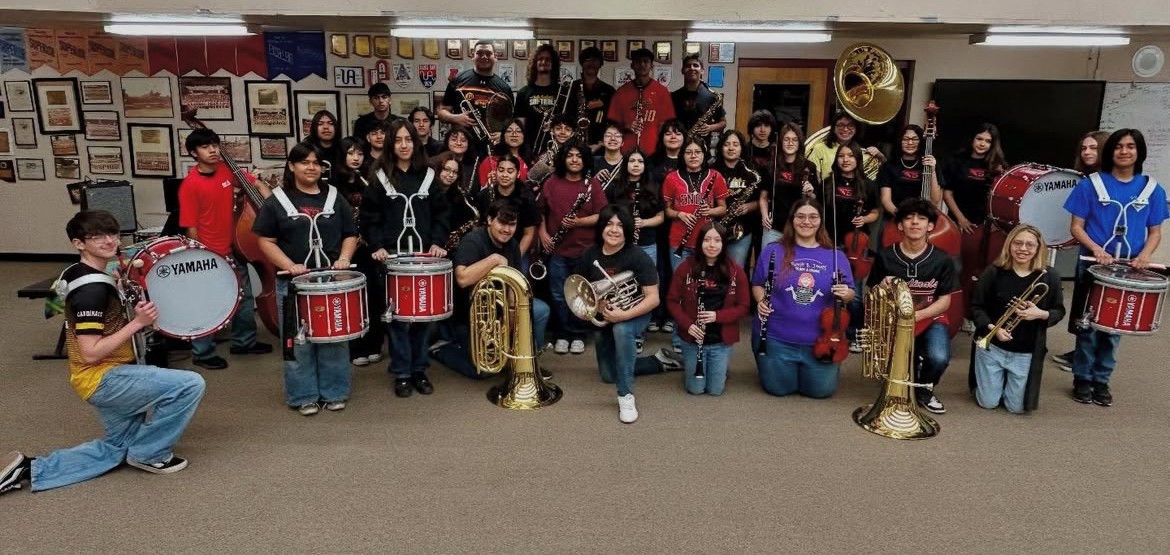
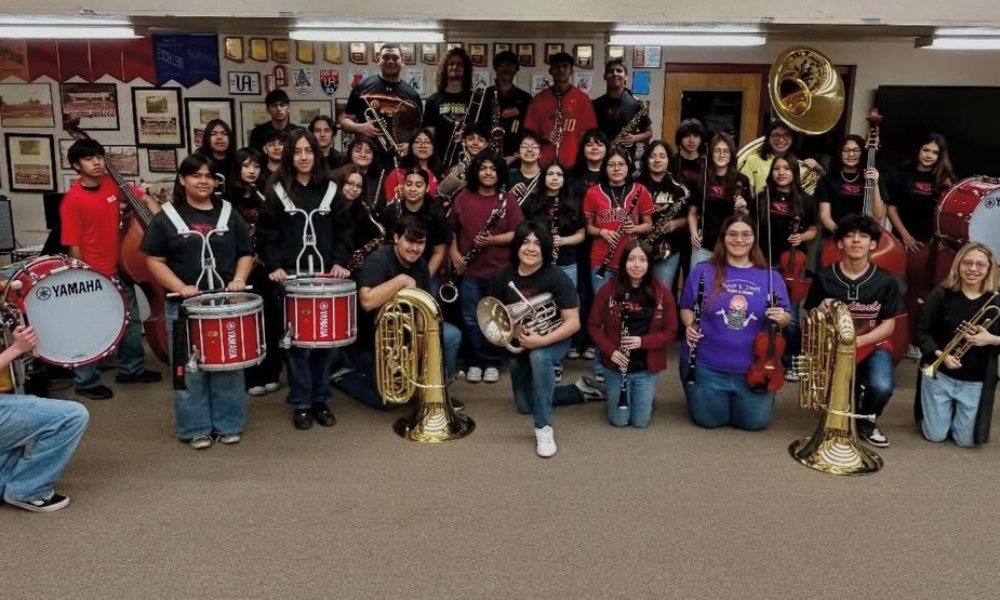
Glendale High School opened in 1911, one year before Arizona became a state! Our music programs have been a vital part of our community for over 110 years, starting with school music classes on our campus as early as 1913. In the early years of Glendale, our school provided private lessons to the first students and promoted the first all-girl band in the state in 1930 and the first all-boy band in 1932. Orchestra and co-ed bands started before the 1930s. Since that time, we have developed a full offering of band, choir, orchestra, and piano for our kids!
Objectives
The initiative “Music for all time” is our current advocacy program encouraging families to pursue music education for their children. The local elementary school district eliminated general music and ensemble classes for K-8 students, so our high school is offering the chance for everyone to start fresh with music reading and performing. We have developed a program that allows 9-12 grade students the chance to learn the basics, grow as musicians, and eventually earn acceptance into collegiate programs if they wish to participate. This includes helping our kids pass the audition to select a major in music, allowing them to achieve at the same level as their peers who grew up in K-12 music environments. Many of our students bring their younger siblings along with them in their musical journey. This is a huge stepping stone for families and kids to develop a lifelong love of music. Over 93% of our kids are on free-reduced lunch, and between 97-100% will use school instruments throughout their high school career. Most of our graduates continue to perform in different settings in the community, even if they do not choose collegiate music as an option.
Target Audience
Students are the primary focus because they get to choose their electives. We want them to find music making to be enjoyable, rewarding, and a new home/family while they are in high school.
Parents and family members are our secondary focus. Many of the older siblings, parents, and grandparents played in our school band or orchestra and sang in our choir when they were in high school. These people have a positive influence on our kids and can both encourage and support them in learning music.
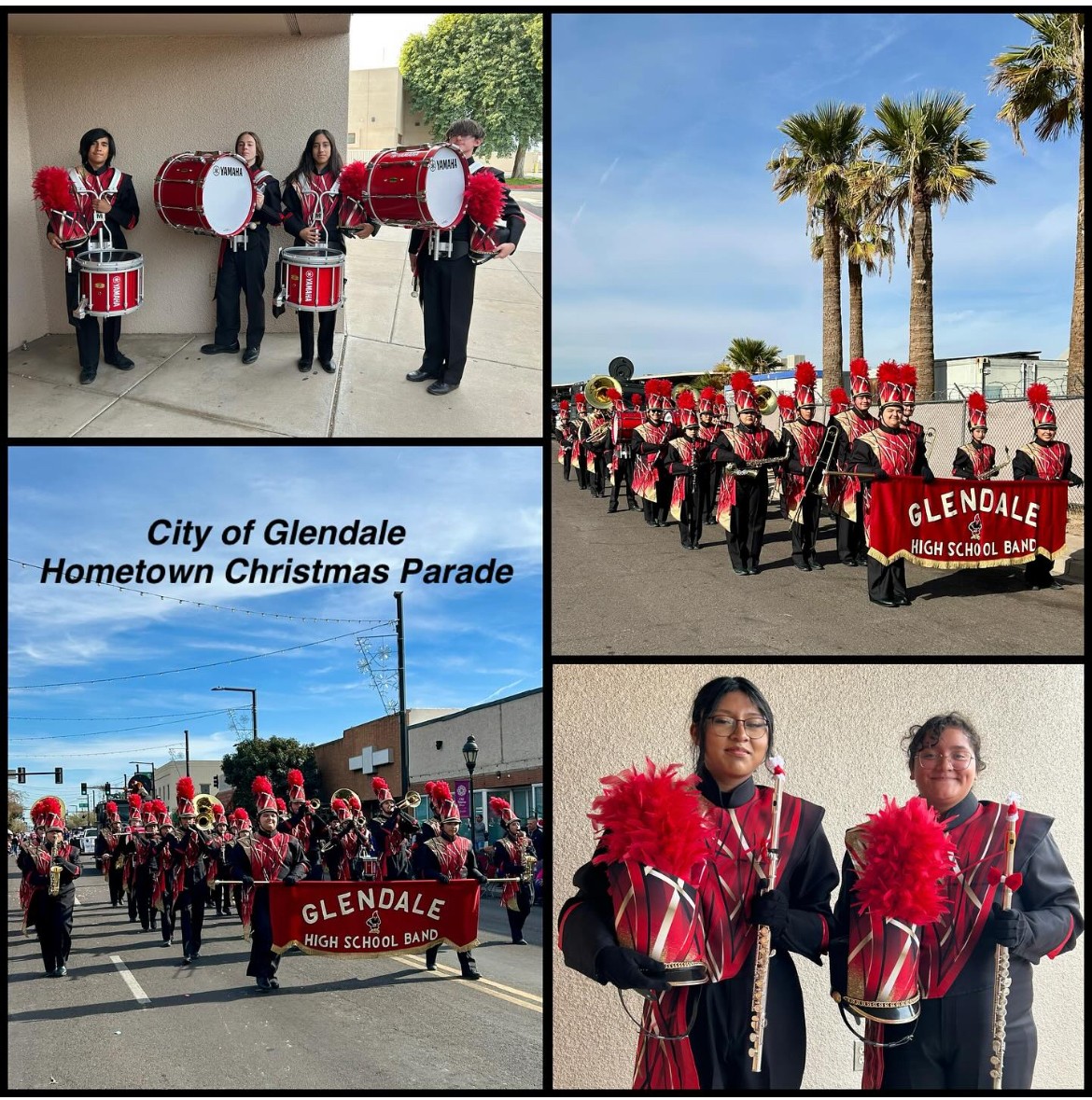
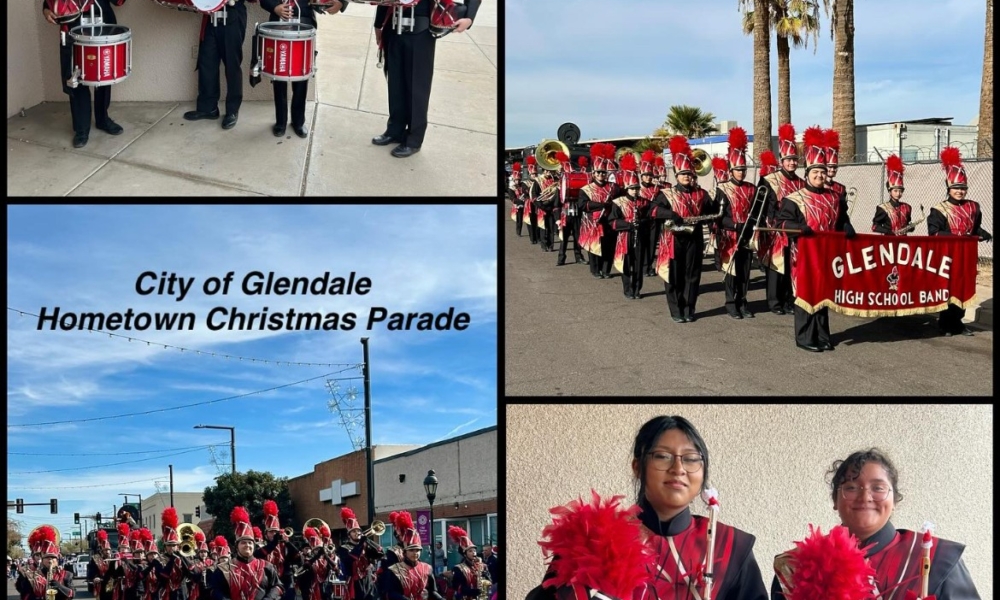
Administrators and community members are our extended focus. We are thankful and blessed to have supportive administrators at Glendale High School. Although they do not come up with the ideas to develop and share music on campus and beyond, they are very supportive of the efforts of our music department. The community is very receptive and eager to have music performed off campus. From the annual hometown parade to ceremonies or grand-openings, elected leaders and local businesses welcome our kids at their events. Our city council has members who were part of our school music program, and they want to support our kids who are learning music in high school for the first time. It is important to keep the administrators and community members informed as our programs change over time. We are doing our best to extend the legacy that started back in the 1910s!
Timeline
During the school closure of the pandemic, our music department worked tirelessly to develop multiple pivot plans to ensure the continuation of all music classes on campus. We wanted kids to have the opportunity to make music from home until the glorious day we could share music in person again. Many of our presentations from 2020 had to be given through online meetings and electronic communications. We had at least four extended slideshows providing details for HOW we would continue making music, the historical impact for our campus and community, and the positive difference it was making for our students in real time. As we came back to school, we continued collaborating to make sure all students had access to make music at Glendale High School. Once everything on campus resumed fairly normal operations, the elementary school district “threw a curveball” where we had to pivot once again to serve kids who did not receive music instruction prior to 9th grade. This challenge has continued and become even more widespread as the schools that send kids to GHS replaced music with eSports, STEM, and other “specials” offerings. The K-8 system does not have a music teacher on 90%+ of their campuses, and the people who are teaching are not highly qualified/certified in music education. We are glad those folks are STILL THERE, and they need our support to rebuild what used to be a vibrant elementary music program.
Overview of Planning and Execution
School Choir and Piano Teacher:
– Shared 50% of the work for all pivot plans during and coming out of the school closure from the pandemic. Each presentation took two weeks to plan, 1-2 hours per day, plus the presentation to the site and district administration (1 hour per presentation with 1-2 hour follow-up on the same or subsequent days).
– Completed 100% of the planning, teaching, and presentation for all piano and vocal events on campus, in the city, and at community events, incorporating multiple cities. This portion of the initiative is ongoing and constantly changing.
School Band and Orchestra Teacher:
– Shared 50% of the work for all pivot plans during and coming out of the school closure from the pandemic. See notes above
– Completed 100% of the planning, teaching, and presentation for all band and orchestra events on campus, in the city, and at community events, incorporating multiple cities. This portion of the initiative is ongoing and constantly changing.
– Collaboration with Phoenix Conservatory of Music – 100% of the site planning and coordination with their director for lessons in the classroom, electronic music classes, and club events, and hosting multi-school leadership events for marching bands in our district.
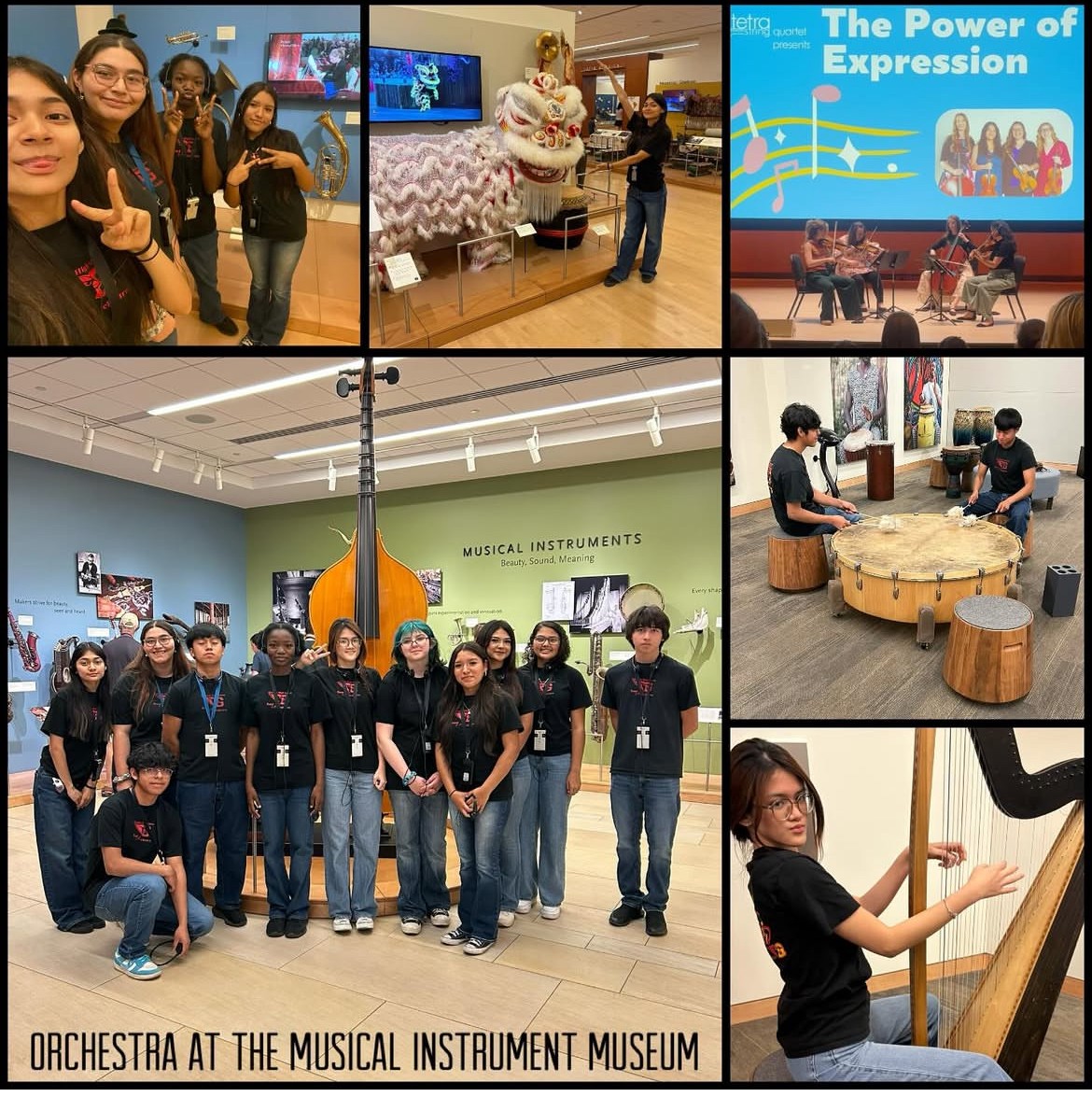
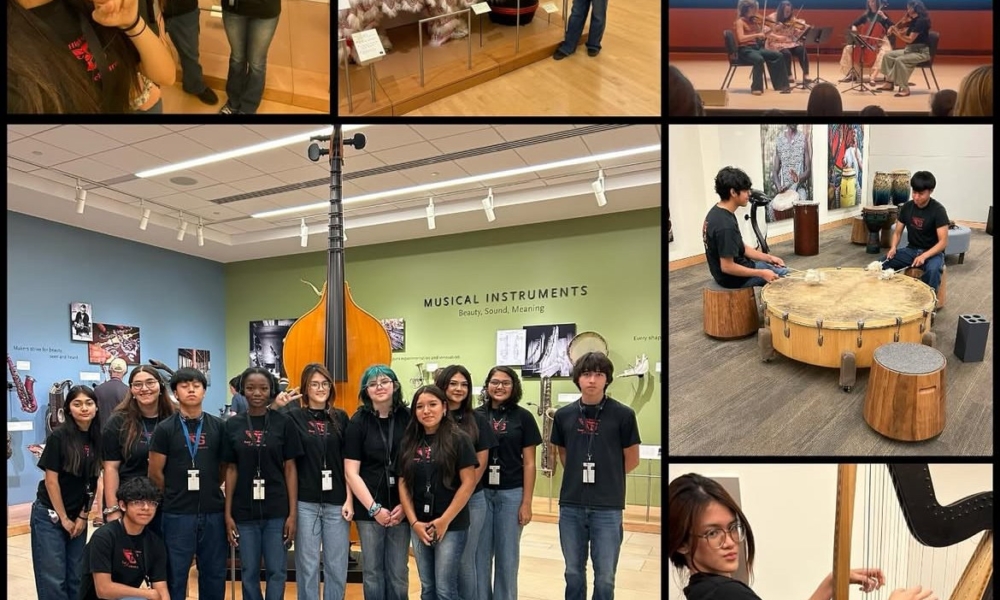
– Collaboration with the Musical Instrument Museum to secure grant funding for music students in our district to attend educational workshops, museum events, and performances in the professional theatre at the MIM.
– Grant partnership with the Arizona Diamondbacks Major League Baseball Foundation to provide new drums for students and on-field recognition.
– Andretti Kart Racing opening day! The band represented the whole City of Glendale!
Phoenix Conservatory of Music Representative
Musical Instrument Museum Representative
Tools and Resources
Students who were involved prior to the start of the initiative performed and visited elementary schools. Multiple presentations on Google Slides, Webex, Zoom, etc. We have developed numerous materials and shared student success on our school media platforms (website, announcements, flyers to local elementary schools or businesses) and provide information through approved social media and program Google sites hosted through the district.
We also publicize student success through opportunities for recognition at larger events, such as a grant recipient event with the Arizona Diamondbacks (on the field at a game).
Marketing and Promotion
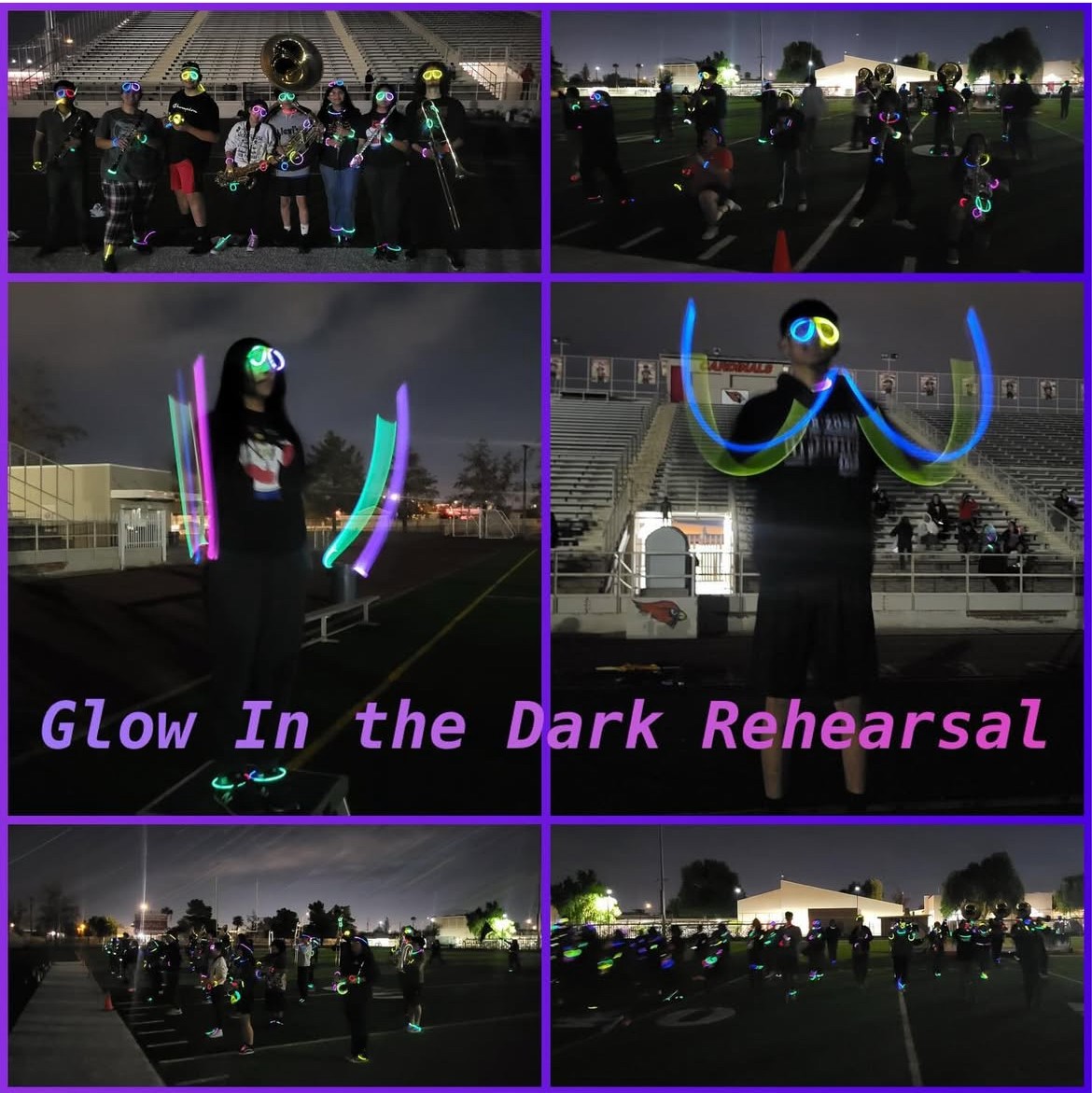
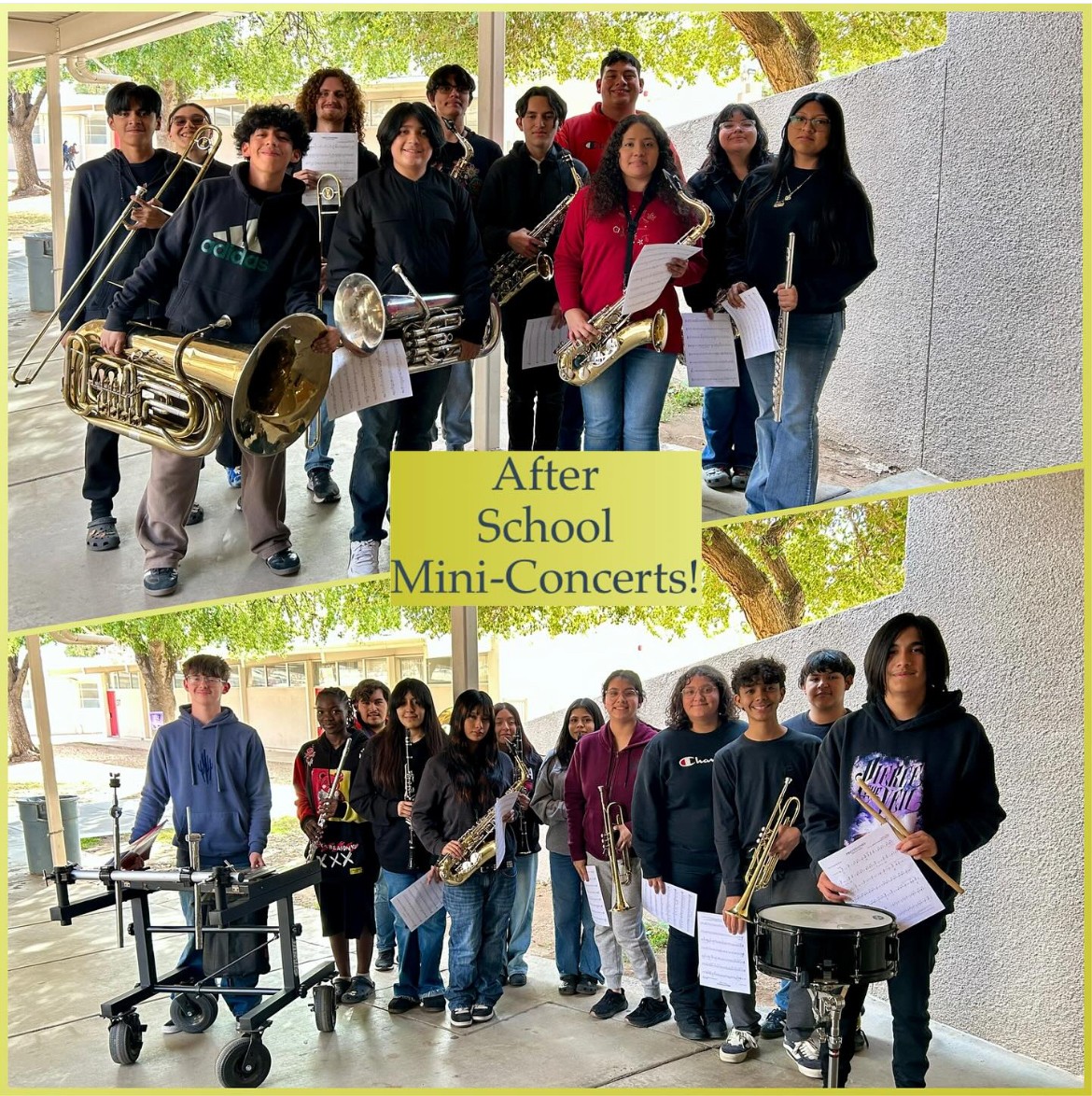
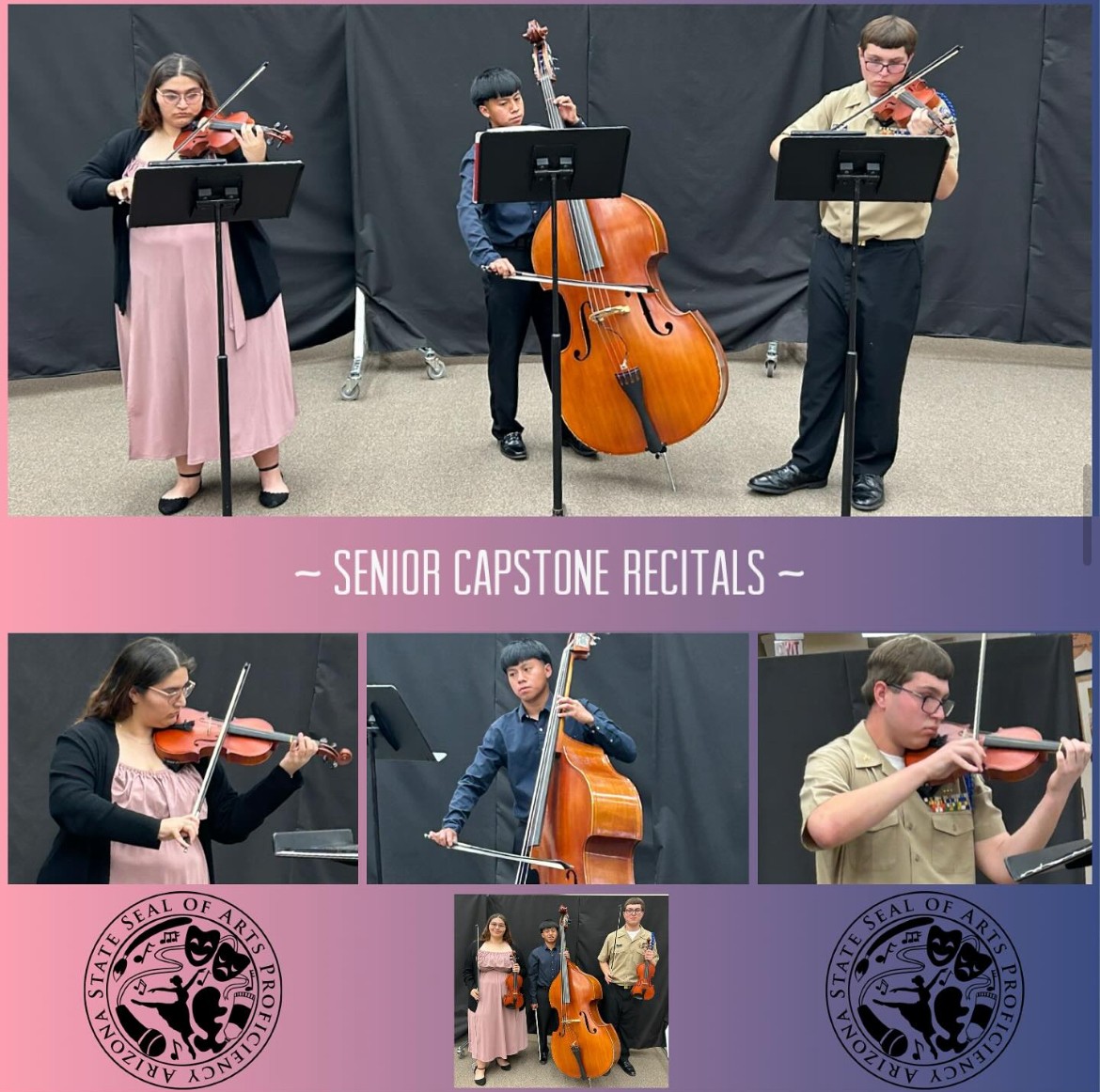
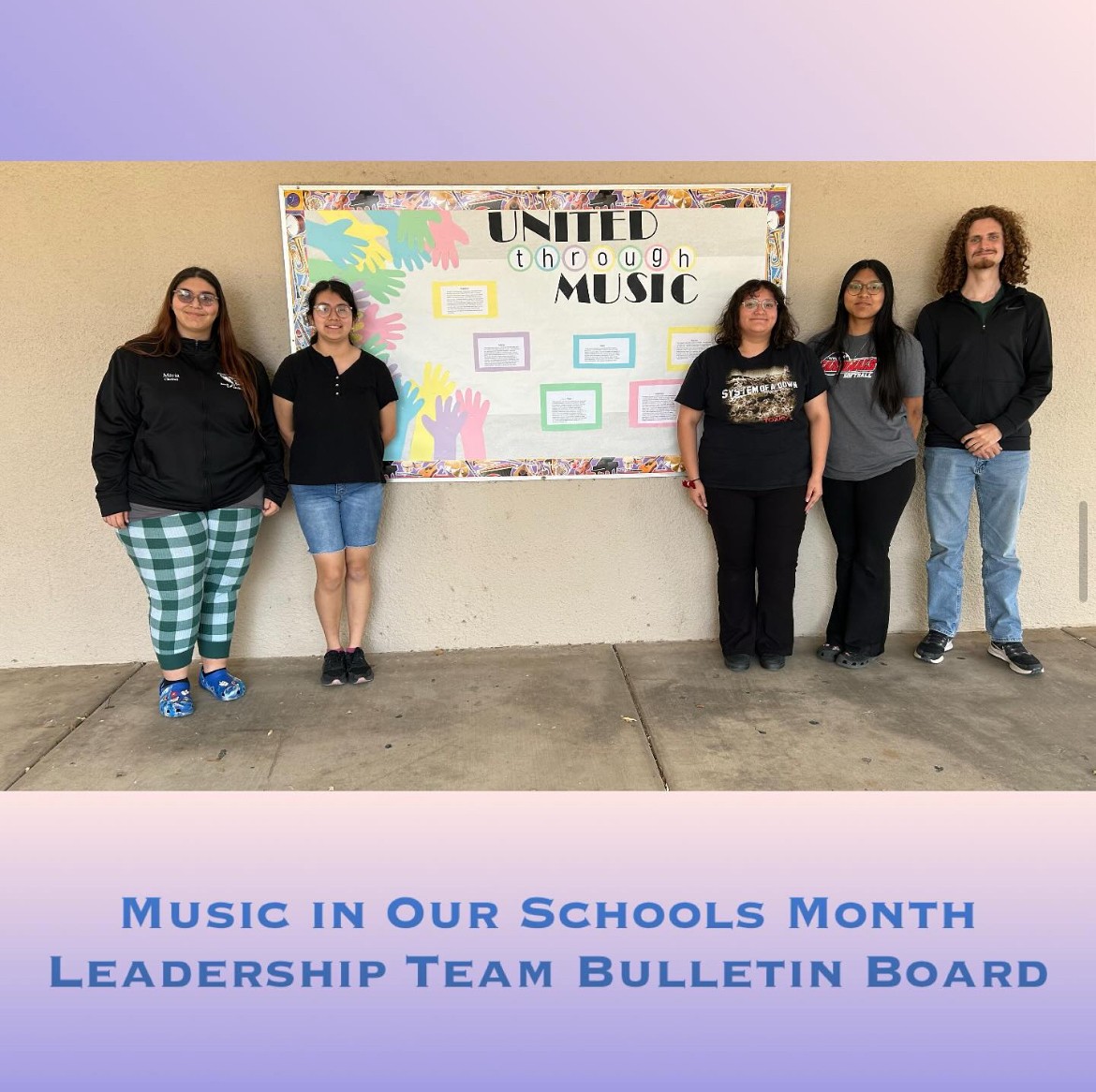
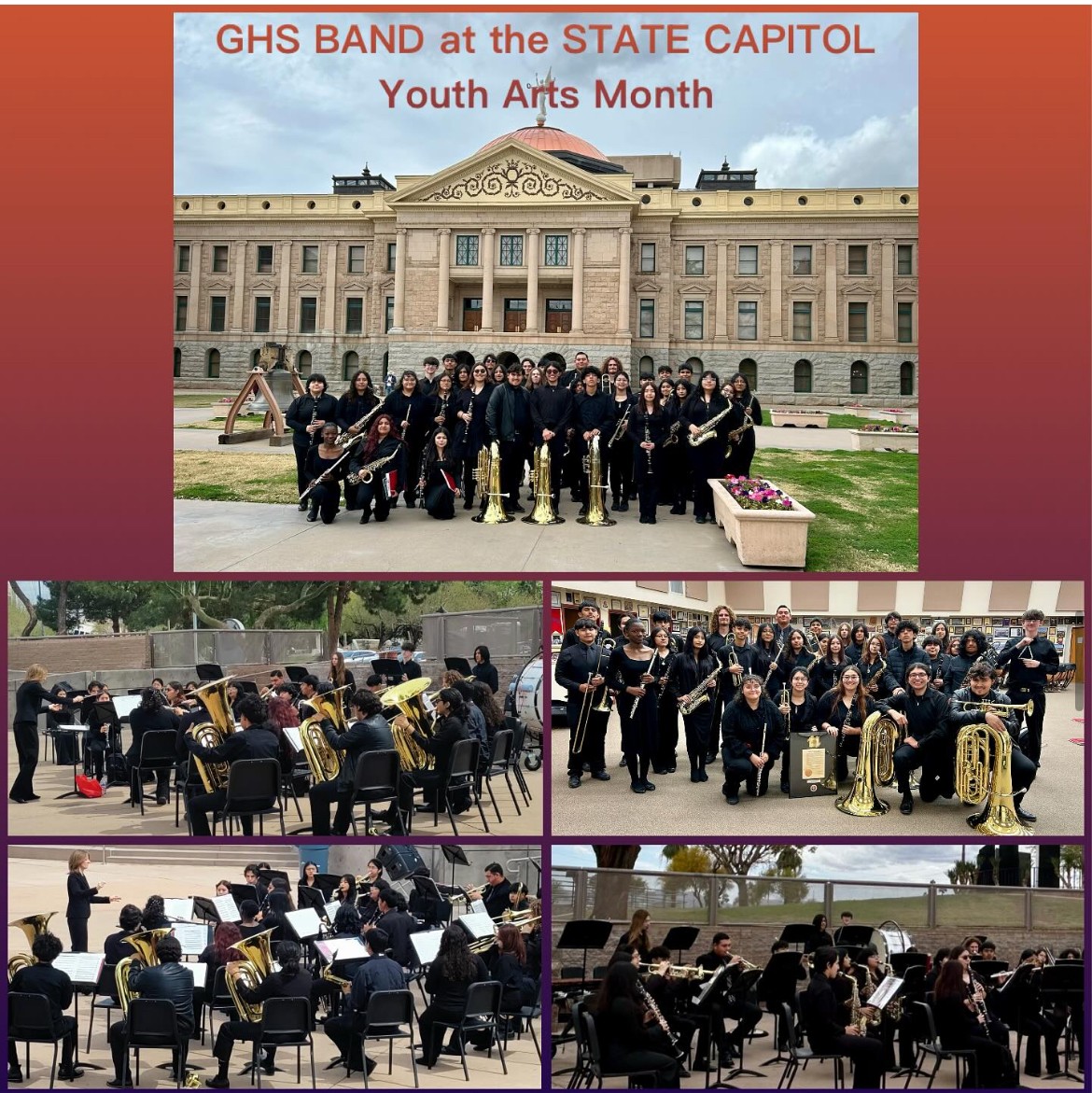
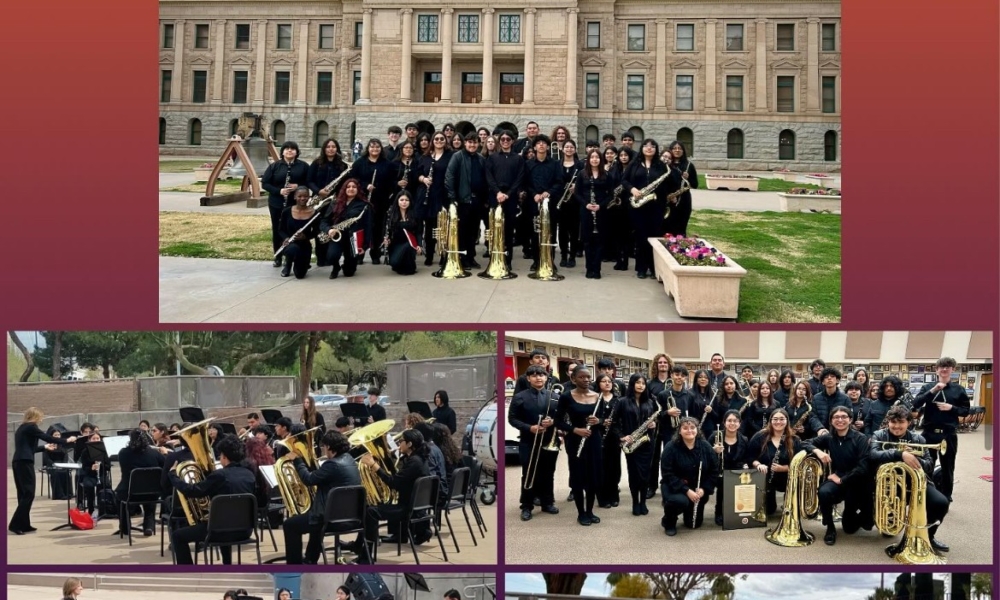
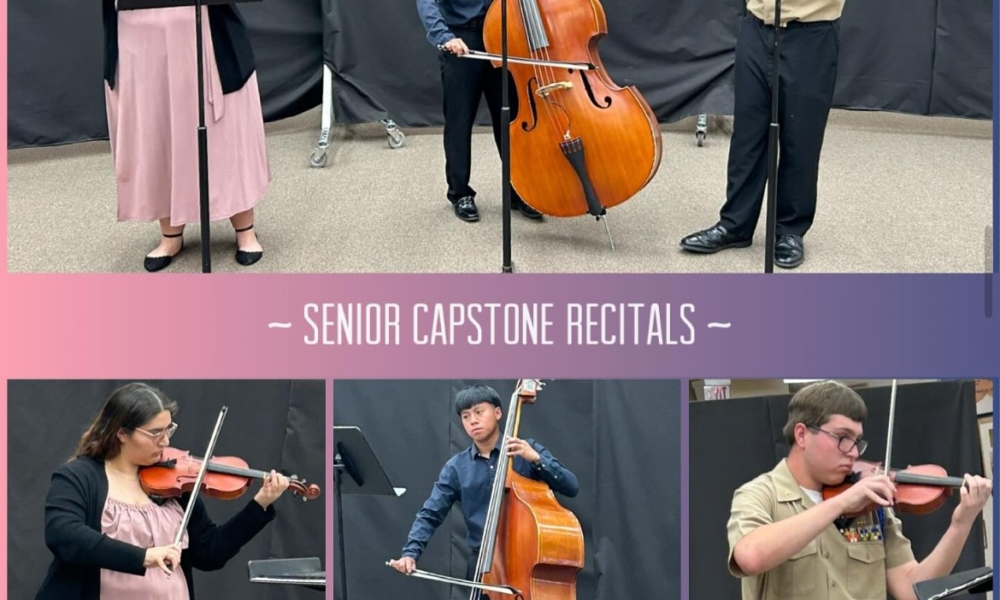
Videos and collage graphic design to showcase the talents of our kids. These are well-received by parents, school faculty/staff, district administration, local civic leaders, businesses, and other youth organizations in our area. Many people want to see the Glendale HS Music Program in and around the city. With their support, we are seeing a positive impact in continuing to provide classes for students to learn “from the ground up” as they bring live music into other classrooms, campus events, and beyond our school.
Costs
We have not spent money specifically on this initiative to promote or pursue the continuation of our school music programs. Each class has a school budget for minor repairs, sheet music, and festival fees/transportation. The clubs spend money on t-shirts and extra supplies. The grants for field trips and special performances are a product of the initiative, but not part of the planning/implementation.
Challenges/Obstacles
The challenge we encounter is getting students enrolled in our classes. Since the elementary system does not offer music, the students do not know they need to sign up for the class. The counseling department has scheduled fewer and fewer students into music classes over the last five years, even with the initiative. We are constantly reaching out to find students, talk to their families, and invite them to come! As you know, once they come, they have a good time! We just need them to have an opportunity to come to music class (band, choir, orchestra, piano).
Success/Effectiveness Measurement
The initiative is effective, but it is not complete! We still have full school day offerings for all instrumental and vocal music classes at our school. We must continue outreach and communication with the elementary schools. This year, our programs are smaller, but we are trying to increase offerings to engage more students. We also meet multiple times per year with employees of the elementary district to ask them to bring music back!
Community Impact
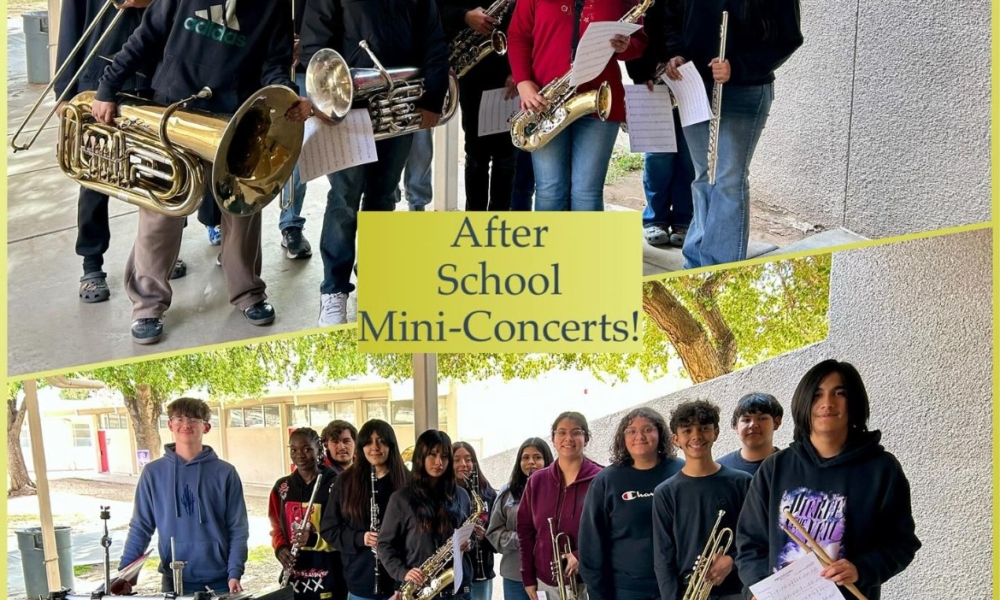
The positive impact of this initiative is LIVE MUSIC at school and off-campus. Our students perform during the day for other classes, at assemblies, and in the offices to show everyone that the kids CAN DO IT! We are also taking our students to district music events and festivals to build relationships with music students from other schools. We invite college and trade school programs into our classes and take field trips when possible to expand what our kids know about music. They are often scared because music class is NEW, even though they all listen to music and make music in family settings. When we get kids to make music together, the positive impact is seen in their smiles and how they build relationships with kids from many different backgrounds.
Advice for others?
I would encourage people to KEEP GOING. It is not easy to build a music program from the ground up year after year. Even with retention from the beginning classes to intermediate and advanced levels, we have to rebuild the beginning program CONSTANTLY.