
TechTunes: Lunchtime Soundscapes
Shadow Mountain High School – Music Technology, Phoenix, Arizona




Description
This advocacy initiative centers on student-designed, facilitated, and led performances held on an outdoor stage during lunchtime. It provides students with opportunities to develop leadership skills, creative expression, and collaboration. This is accomplished by managing all aspects of live performances, from planning to execution. By showcasing talents in a welcoming, informal setting, students build confidence and engage the school community in meaningful ways. The program also highlights the importance of student voice and ownership in arts education, fostering a supportive environment where creativity and technical skills intersect to enrich the overall school culture and promote interdisciplinary learning.
Objectives
This advocacy initiative is designed to empower students by placing them at the center of all aspects of live lunchtime performances held on an outdoor stage. By giving students full responsibility for designing, facilitating, and leading these events, the program cultivates leadership skills that extend beyond the classroom. Students gain valuable experience in planning, organizing, and managing real-world performances, which helps build confidence and independence. The initiative also encourages creativity and artistic expression by providing a welcoming platform where students can showcase their talents, allowing them to explore and share their unique voices.
Beyond individual growth, the program fosters strong community engagement by creating accessible and inclusive events that invite participation and attendance from the wider school community, including peers, teachers, and families. This helps strengthen connections and promotes a sense of belonging among all participants. Through collaboration, students develop essential communication and teamwork skills as they coordinate efforts, solve problems, and adapt to challenges inherent in live performance production.
Importantly, this initiative promotes interdisciplinary learning by integrating elements of fine arts, music technology, and career and technical education (CTE). Students apply both creative and technical skills in a hands-on environment, preparing them for future academic and career pathways. The program also raises the visibility and appreciation of student work within the school culture, highlighting the value of student voice and ownership in education. Overall, the initiative enriches the school’s artistic landscape while supporting the development of well-rounded, capable, and engaged student leaders.
Target Audience
Beyond the performances taking place during the school day, students, teachers, and administration remain the central focus of this advocacy initiative because they are essential to creating a thriving, supportive educational environment that extends well beyond the stage. For students, involvement in this initiative cultivates critical leadership, collaboration, and communication skills that are vital for both personal growth and future success. When students take ownership of the performances, they develop confidence, creativity, and a strong sense of responsibility. This empowerment translates into greater engagement not only in the arts but across all areas of their education.
Teachers play a crucial role by mentoring, guiding, and facilitating student growth throughout the process. Their support helps students navigate challenges, build technical skills, and gain meaningful feedback, all of which enhance the quality of the performances and the learning experience. Teachers also help bridge the gap between artistic expression and academic standards, ensuring that the initiative complements broader educational goals. This is a great opportunity to see their students thrive in an environment outside of their content area and classroom.
Administration’s involvement is equally important as they provide the necessary approval, resources, and institutional support to sustain and expand the program. By prioritizing this initiative, administrators demonstrate a commitment to fostering a well-rounded school culture that values student voice, creativity, and community engagement. Their leadership helps create an environment where the arts are recognized as a vital component of education, encouraging collaboration between departments and ensuring the initiative aligns with school policies and goals.
Together, students, teachers, and administration form a dynamic partnership that nurtures a vibrant school community. Their collective focus ensures the initiative’s success, making it more than just a series of performances. It becomes a catalyst for growth, connection, and lasting impact within the school.
Timeline
The advocacy initiative follows a structured timeline to ensure smooth planning, student leadership development, and sustained community engagement throughout the school year. In August, the program begins with the election of student officers and leadership team members who will oversee all aspects of the performances. During this month, the team works closely with school administration to secure necessary approvals and to establish the official performance dates for the entire year. Planning also includes strategizing methods for campus-wide advertising to maximize awareness and attendance. Moving into September, the focus shifts to building, designing, and rigorously testing the outdoor stage performance setup, including sound systems, lighting, and other technical equipment. Student leaders collaborate with faculty and administration to finalize logistical details and assign roles for production and facilitation, ensuring each event is well-supported. October centers on selecting the performers for the inaugural lunchtime show. The leadership team reviews applications or auditions, chooses the lineup, and coordinates rehearsals and technical run-throughs to guarantee a polished first performance. From November through May, the initiative hosts monthly student-led performances, maintaining a consistent presence on campus that fosters artistic expression and community connection. Each month, the leadership team recruits new performers, promotes upcoming events through posters, announcements, and social media, and continues collaborating with administration for ongoing support and resources. After every event, the team gathers feedback to refine logistics and enhance future performances. This cyclical process not only showcases diverse student talents but also continually develops leadership, teamwork, and technical skills. By integrating planning, approval, production, and promotion into a coherent timeline, the initiative creates a sustainable and impactful platform for student creativity and engagement throughout the school year.
Overview of Planning and Execution
The planning and execution of this advocacy initiative involve a collaborative team composed primarily of students, teachers, and school administration, each contributing unique roles and time commitments to ensure the program’s success.
- Students are the core drivers of the initiative. They take on leadership roles such as officers or coordinators who are responsible for organizing performances, managing logistics, selecting performers, and promoting events around campus. These student leaders dedicate several hours weekly. This is especially the case during peak periods like performance preparation and event days (plan, rehearse, and execute performances). Additionally, participating performers commit time to rehearsals and live shows, which can vary from a few hours a week to more, depending on complexity.
- The Music Technology teacher acts as a mentor and advisor. He supports students by providing guidance on artistic and technical aspects, troubleshooting performance setups, and helping with administrative coordination. This involves a dedicated few hours per week for mentoring, overseeing rehearsals, and ensuring that student efforts align with educational goals and safety standards. The other teachers provide a supporting role by encouraging students and attending the performance.
- School administration plays a small but critical oversight and support role. Administrators are involved in granting approvals, allocating resources, and facilitating collaboration across departments. Their time commitment is periodic, but their support is crucial for maintaining the initiative’s sustainability.
In addition to these key groups, occasional involvement from technical staff, custodial teams, and communications personnel may be necessary to assist with setup, maintenance, and publicity efforts. Overall, the initiative thrives through a shared commitment that balances leadership, creativity, mentorship, and administrative support, each dedicating time as needed to foster a successful and ongoing program.
Tools and Resources
This advocacy initiative relies on a variety of tools and resources to effectively plan, promote, and execute student-led lunchtime performances on the outdoor stage. Central to the program’s success is the integration of both technical equipment and organizational resources that support students, teachers, and administration throughout the process.
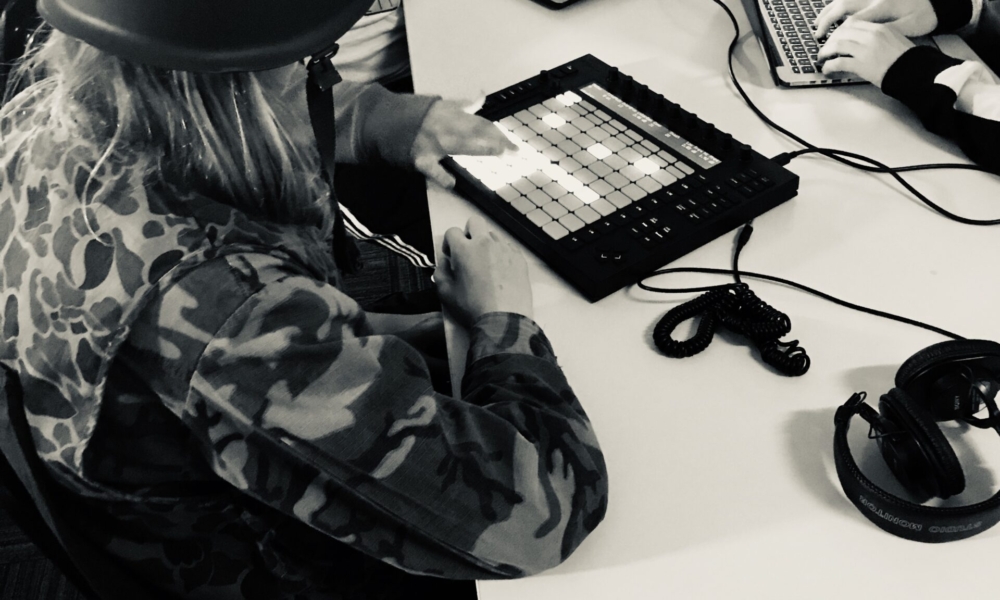
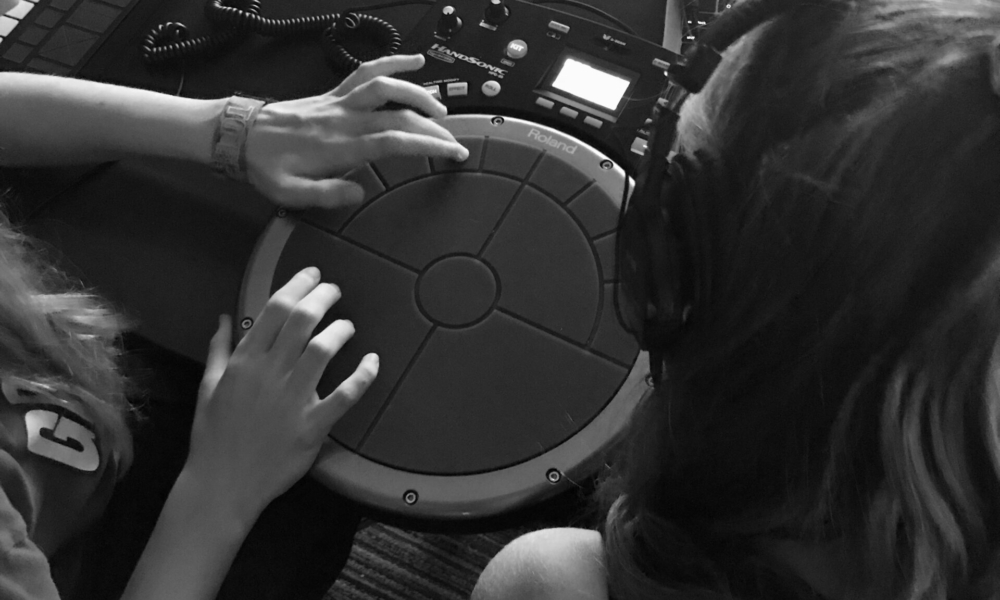
Key technical resources include sound systems such as microphones, speakers (both powered and passive), mixing consoles, and audio interfaces to ensure high-quality audio during performances. Additionally, musical instruments, digital audio workstations (DAWs), MIDI controllers, and other music technology tools are utilized by students to prepare and deliver diverse performances. To manage and troubleshoot these setups, the initiative often employs technical manuals, software applications for audio control, and occasional support from technical resources.
On the organizational side, student leaders use digital tools such as shared calendars, project management apps (like Google Workspace), and communication platforms (email, messaging) to coordinate meetings, rehearsals, and event promotion. These tools help streamline scheduling, task assignments, and information sharing among team members, teachers, and administration. Physical resources like posters and flyers distributed around campus play an important role in advertising performances to the school community. School announcements also serve as vital channels to increase visibility and attendance.
Additional support resources include faculty mentorship and administrative approval, which provide guidance, oversight, and access to funding or logistical support, such as stage maintenance and safety inspections. The outdoor stage itself is a fundamental resource, designed or adapted for accessibility and performance needs.
Together, these tools and resources create a comprehensive infrastructure that empowers students to manage every aspect of the initiative, from artistic creation to technical execution and community engagement, ensuring a sustainable, professional, and enjoyable performance series throughout the school year.
Marketing and Promotion
To effectively market and promote this advocacy initiative, a combination of strategic approaches were employed to maximize visibility, encourage participation, and build community enthusiasm.
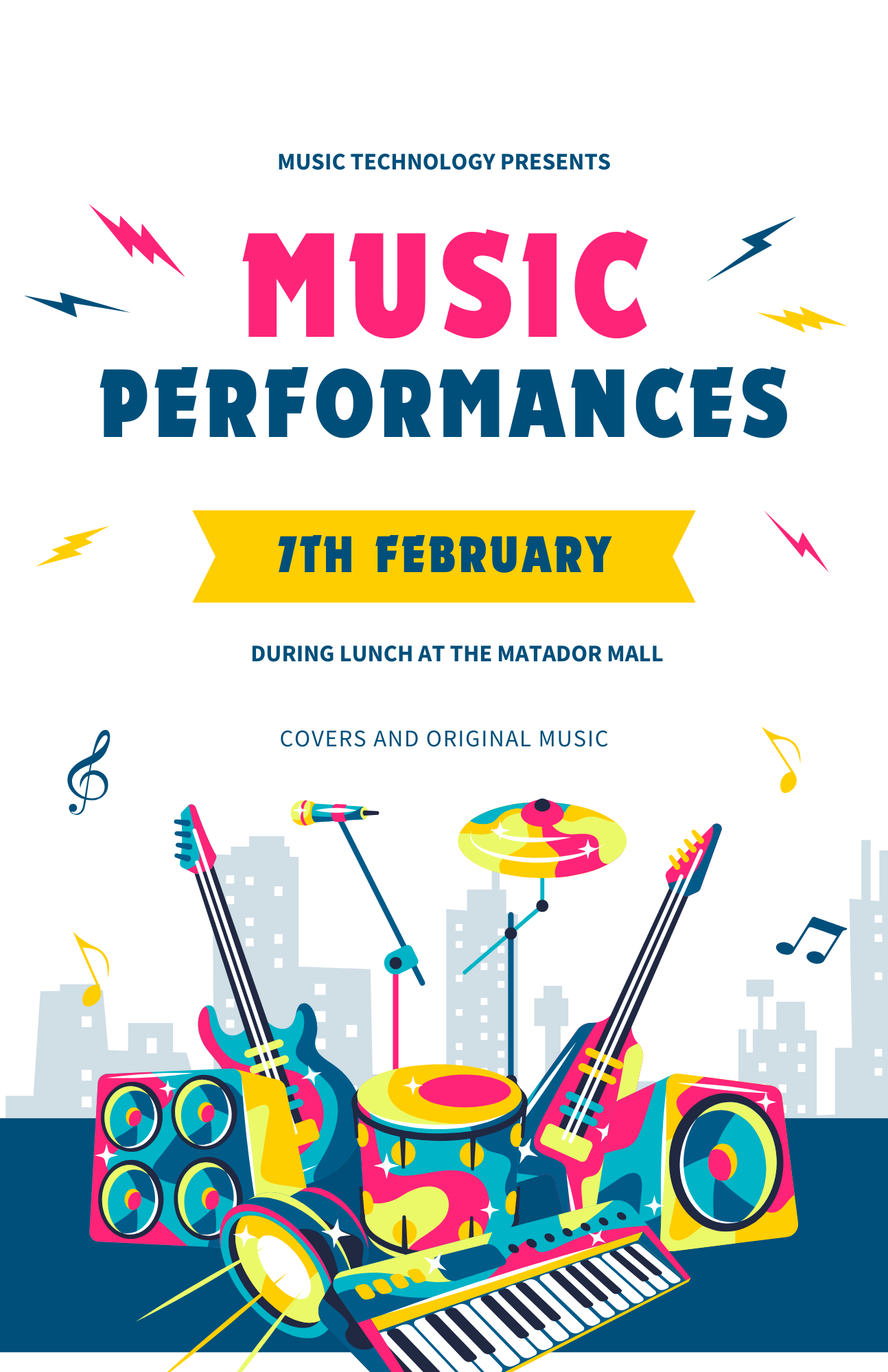
- Campus-wide Visual Advertising: Creating vibrant flyers and signage placed in high-traffic areas such as hallways and cafeterias ensured consistent awareness among students and staff. Eye-catching visuals and clear information about performance dates and locations generated excitement and encouraged attendance.
- Announcements: Integrating brief announcements during morning announcements reinforced awareness. These highlighted upcoming performances and invited the community to support the events.
- Collaboration with Teachers and Clubs: Partnering with various teachers and student organizations spread the word and encouraged broader participation and attendance. Teachers volunteered to perform in some of the shows, and clubs such as student council had a professional shaved ice truck on site during some of the performances.
These strategies collectively created a multi-channel marketing approach that built momentum over time. The positive impacts include higher attendance, stronger community engagement, increased student motivation, and elevated visibility for the arts program. Ultimately, effective promotion ensures the advocacy initiative thrives as a celebrated, integral part of the school culture.
Costs
None. Everything utilized was already part of the classroom offerings for the four-course Music Technology sequence.
Challenges/Obstacles
This advocacy initiative faced several challenges throughout its planning and execution; however, with proactive strategies, these obstacles were effectively managed.
- Administrative Approval and Support: Securing timely approval and ongoing support from school administration was sometimes a hurdle. To overcome this, early and transparent communication became essential. Presenting clear goals, benefits, and logistical plans helped build trust and demonstrated the initiative’s value to the school community.
- Resource Limitations: Access to quality sound equipment, lack of lighting and visuals, and electrical capacity of the performance space restricted the program’s effectiveness. Creatively using existing resources mitigated these constraints.
- Student Engagement and Commitment: Maintaining consistent student leadership and participation was challenging, especially with competing academic and extracurricular demands. Encouraging ownership by involving students in decision-making, offering leadership roles, and recognizing their contributions boosted motivation and accountability.
- Scheduling Conflicts: Coordinating performance dates that work for diverse student schedules and school events required careful planning. Establishing dates well in advance and maintaining flexible contingency plans can help avoid conflicts. The first show in October occurred during record-breaking temperatures.
- Promotion and Attendance: Ensuring a strong audience turnout was difficult initially. Employing varied marketing strategies, as well as creating engaging, high-quality performances, attracted and retained audience interest over time.
- Technical Difficulties: Live performances are prone to technical issues such as sound malfunctions or setup delays. Preparing thorough technical rehearsals, training student technicians, and having backup equipment ready reduced these risks.
By anticipating these challenges and adopting thoughtful, collaborative solutions, the initiative maintained momentum, fostered a positive environment, and achieved lasting impact within the school community.
Success/Effectiveness Measurement
The effectiveness of the advocacy initiative was apparent and is supported by several types of qualitative and quantitative data collected throughout the school year:
- Attendance Records: Tracking the number of students, staff, and community members attending each lunchtime performance provided clear evidence of growing engagement and interest over time. Increasing attendance indicated successful outreach and relevance.
- Participant Involvement: The increase of involved performers, organizers, and technical crew shows the initiative’s reach and ability to foster leadership and collaboration. Trends of increased participation reflect positive student buy-in.
- Surveys and Feedback: Collecting feedback from performers, audience members, teachers, and administrators through reflective discussions offered valuable insights into perceptions of the program’s impact on student confidence, creativity, and community connection. Positive responses supported the program’s effectiveness in these areas.
- Qualitative Observations: Teacher and administrator testimonials, student reflections, and video documentation of performances provided rich qualitative evidence of growth, skill development, and community building.
Together, these data points form a comprehensive picture demonstrating the initiative’s positive impact on student leadership, artistic development, and school culture, validating its ongoing support and potential for expansion.
Community Impact
This advocacy initiative had a broad, positive impact across multiple levels (music technology program, school, district, and local community) by fostering engagement, skill development, and visibility.
- For the music technology program, the initiative provided students with real-world opportunities to apply technical skills in live performance settings. It encouraged hands-on learning with audio equipment, digital tools, and event production, deepening student expertise and enthusiasm. Showcasing student work publicly also enhanced the program’s reputation, attracting prospective students and potential resources.
- At the school level, these performances promoted a vibrant, inclusive culture that values student creativity and leadership. They fostered stronger connections among students, staff, and families by creating shared experiences that celebrate arts and technology integration. This may have improved school morale, attendance, and community pride. One could say that no other high school does something like this, at this frequency, with a near-professional quality.
- Within the district, the initiative served as a model for interdisciplinary collaboration and innovative programming that bridges fine arts and Career and Technical Education (CTE). Demonstrating success encouraged district leaders to support similar programs elsewhere, which, over time, may eventually lead to increased funding and professional development opportunities.
- For the local community, publicizing the initiative raised awareness of the school’s commitment to arts education and student development. Community members may eventually become more involved as attendees, supporters, or partners, strengthening “town-gown” relationships.
Overall, the initiative not only enriched student learning but also built lasting connections that enhance educational quality and community vitality at multiple levels.
Advice for others?
- Start with Strong Student Leadership
- Collaborate Early with Administration
- Build a Supportive Team
- Plan a Clear Timeline
- Leverage Existing Resources Creatively
- Develop a Multi-Channel Promotion Strategy
- Prepare for Challenges
- Collect Feedback and Adapt
- Celebrate Successes