


Early Childhood and Elementary Music Community Engagement Initiative
Slippery Rock University Music Department, Slippery Rock, Pennsylvania

Description
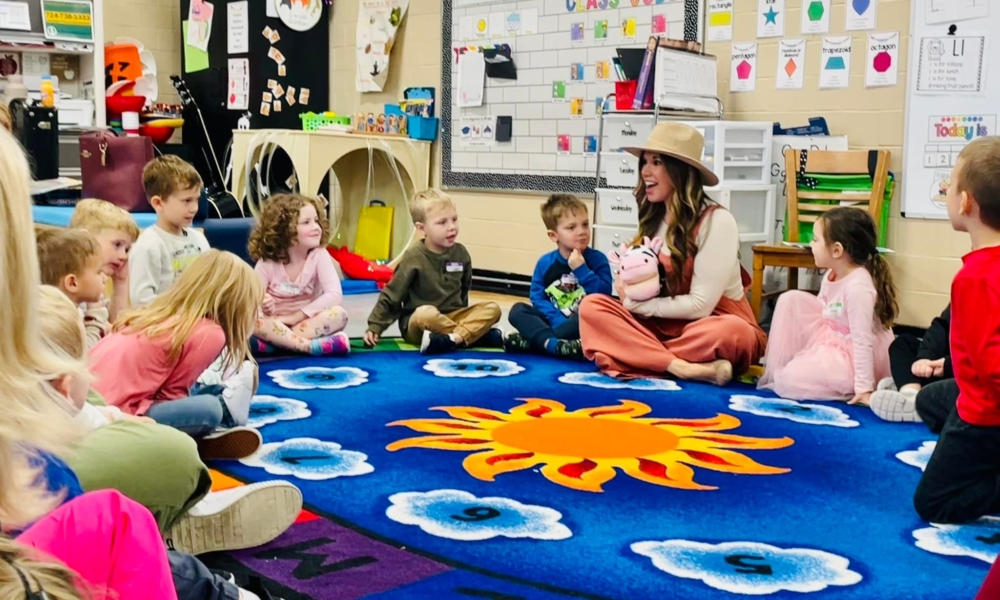
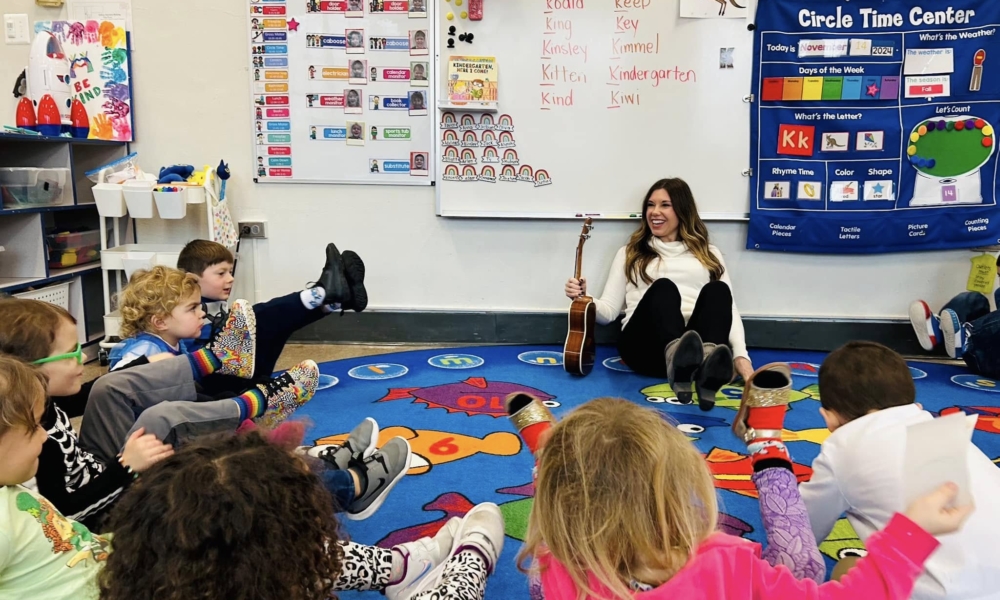
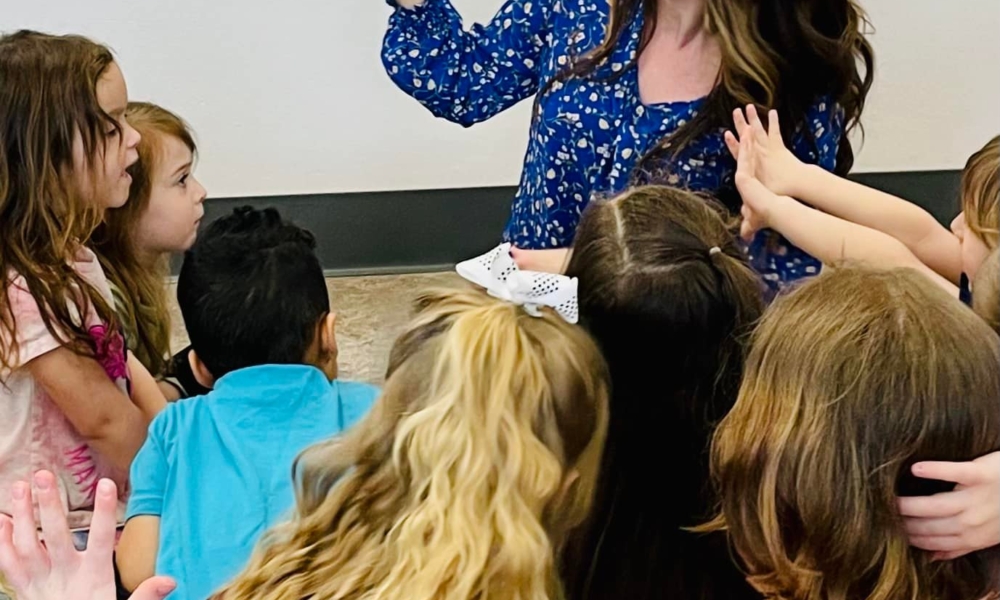
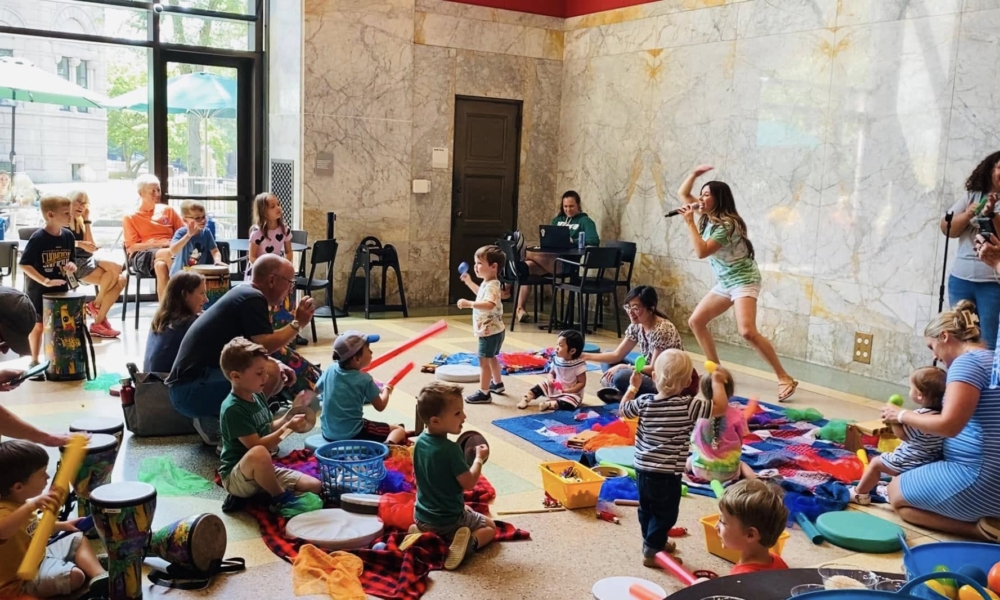
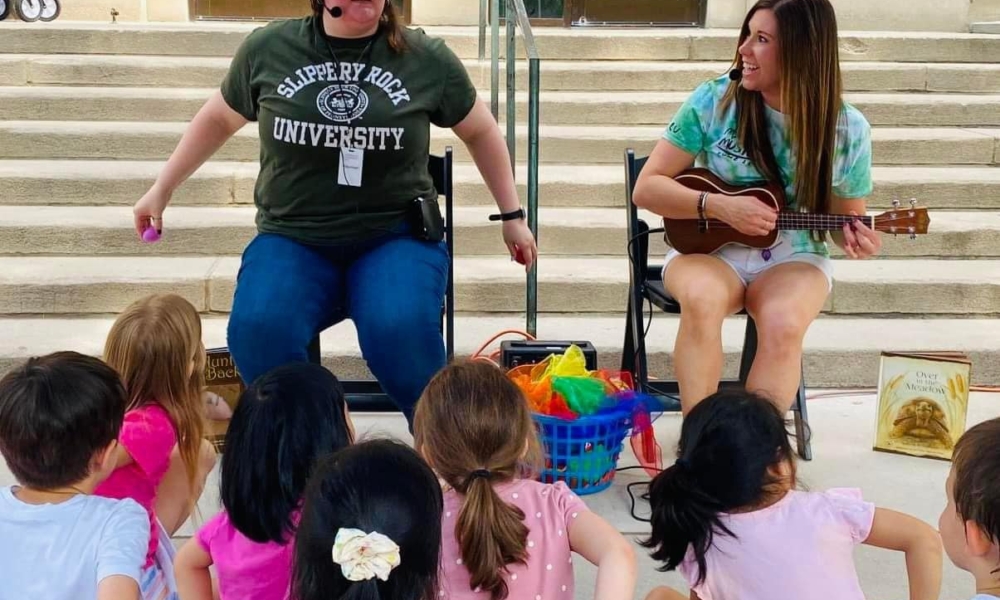
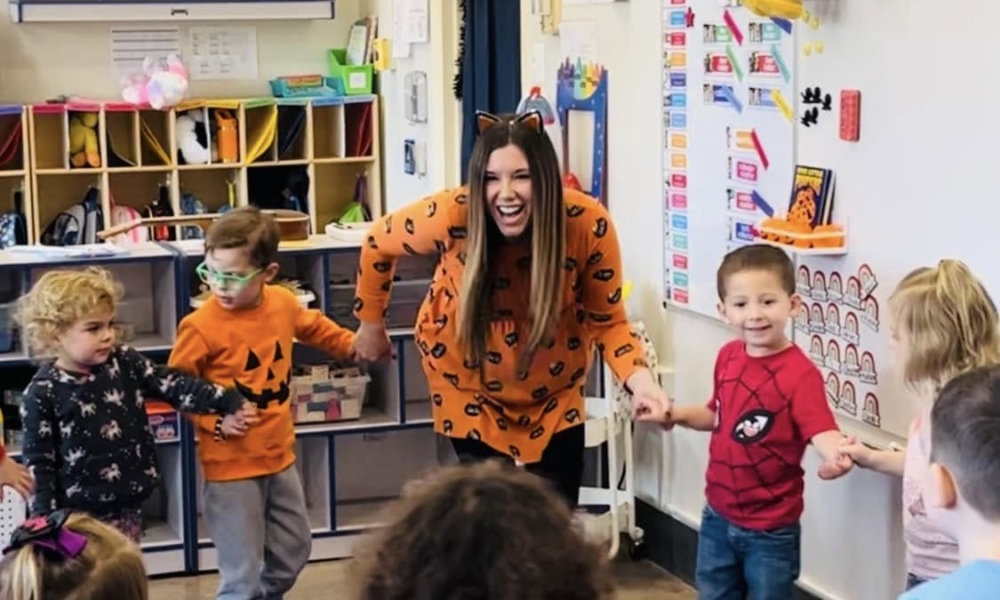
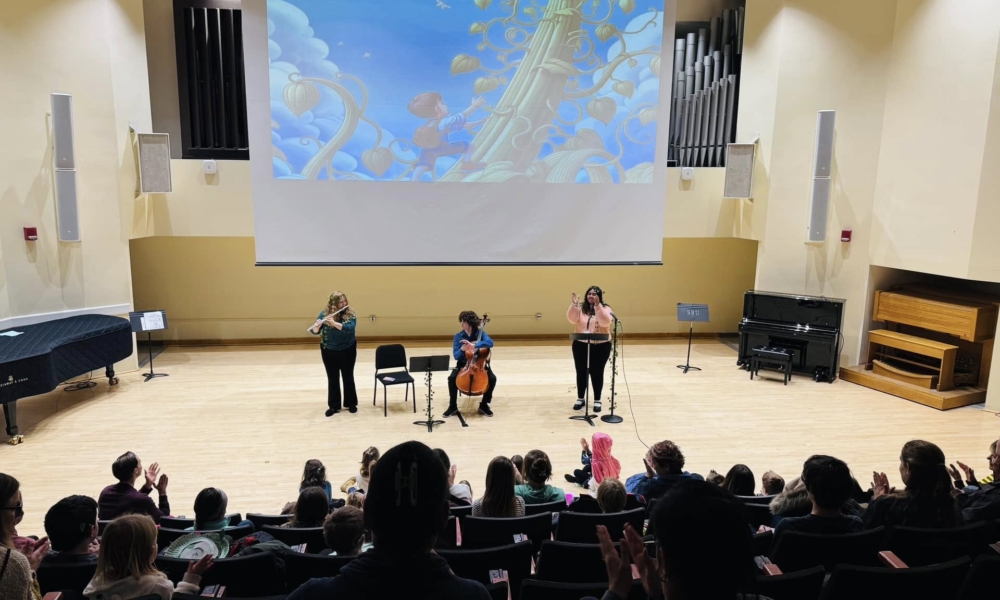
The SRU Early Childhood and Elementary Music Community Engagement Initiative connects university music education students with young learners through inclusive, high-impact musical experiences in collaboration with regional partners such as Early Learning Connections, the Pittsburgh Symphony Orchestra, the Children’s Museum of Pittsburgh, and the SRU/SGA Preschool. The initiative advocates for early access to meaningful music-making by fostering joyful, developmentally appropriate, and culturally responsive experiences that support child development and future music engagement while simultaneously preparing the next generation of music educators.
Objectives
Increase Access: Provide free and accessible early childhood and elementary music experiences for young learners in underserved and diverse communities.
Support Development: Use music as a tool to support whole-child development—socially, emotionally, cognitively, and physically—through joyful and age-appropriate experiences.
Empower Educators: Offer real-world, hands-on teaching opportunities for university music education students, helping them grow as reflective, culturally responsive, and child-centered educators.
Strengthen Community Partnerships: Build and sustain meaningful collaborations with regional organizations to advocate for the importance of early music education and arts-based community engagement.
Elevate the Role of Music in Early Learning: Advocate for music as an essential part of early childhood education by modeling high-quality, research-informed practices that highlight music’s value in both schools and the broader community.
Target Audience
Students, parents, teachers, and community members were the focus of this initiative because lasting advocacy begins with meaningful, shared experiences.
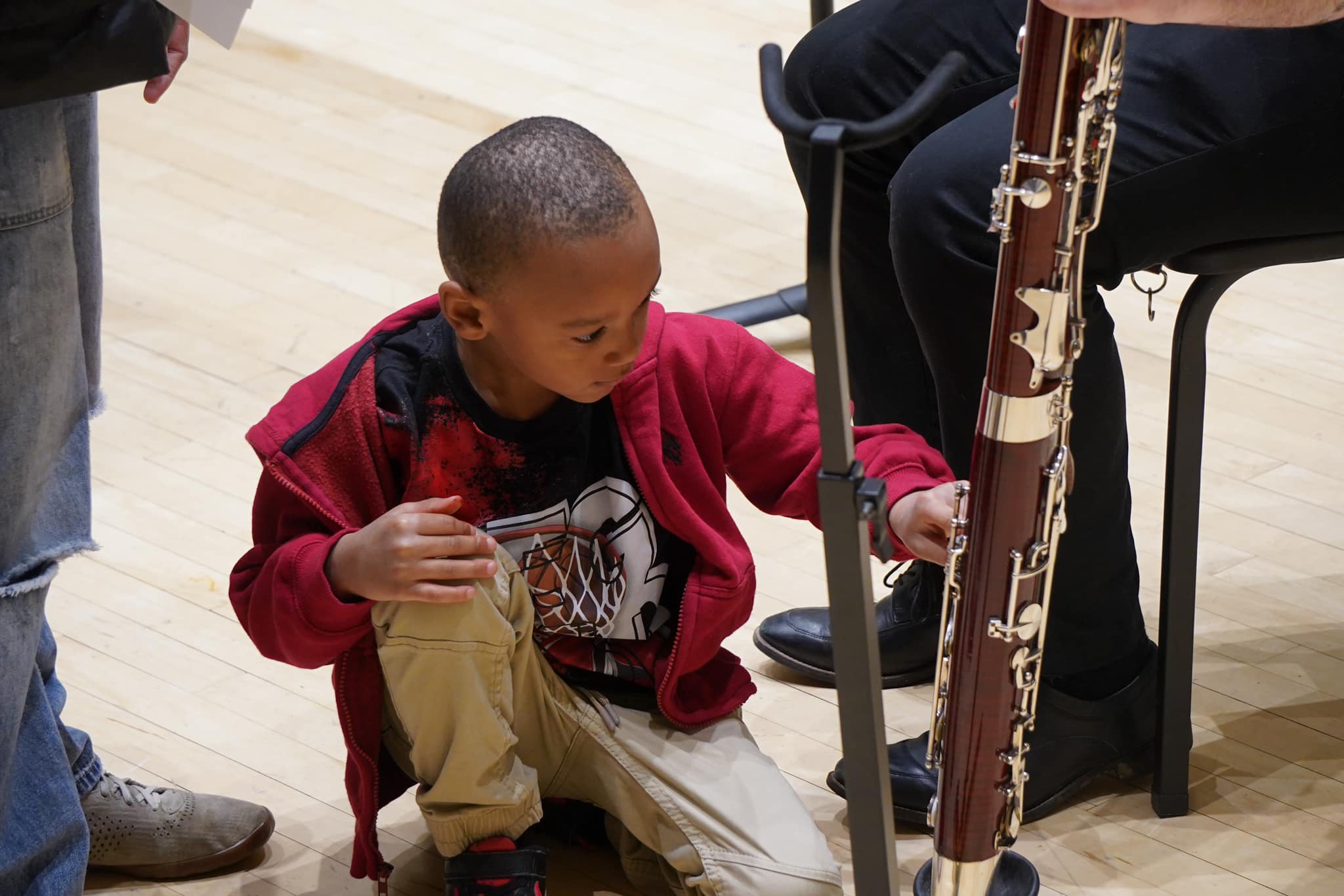
Students were at the heart of the initiative as both learners and future educators. Young children benefited from joyful, developmentally appropriate music experiences, while university students gained hands-on teaching opportunities that shaped their growth as inclusive, reflective educators.
Parents were included because they are a child’s first teacher and a vital support system in early development. By engaging families through music, the initiative strengthened school-to-home connections and helped parents see the educational and emotional value of music in their children’s lives.
Teachers were central to sustaining music education beyond the scope of the initiative. By modeling effective strategies, sharing resources, and encouraging collaboration, the program supported current and future educators in integrating music more meaningfully into their classrooms.
Community members and partners—such as museums, preschools, and orchestras—were essential for building a broad, accessible network of support for music education. Their involvement ensured that music was not siloed within schools but instead woven into the cultural fabric of the community.
By focusing on these interconnected groups, the initiative created a sustainable and inclusive ecosystem that advocates for music as a powerful tool for learning, connection, and community transformation.
Timeline
The SRU Early Childhood and Elementary Music Community Engagement Initiative began in 2014 as a grassroots effort to bridge music education at the university level with the needs of the broader community. What began as a small outreach program quickly evolved into a comprehensive and sustainable model for advocacy, impact, and experiential learning.
Phase 1: Foundational Development (2014–2016)
Established partnerships with the SRU/SGA Preschool and Early Learning Connections to provide early music experiences led by university students.
Designed a developmentally appropriate music curriculum tailored to the needs of preschool and early elementary learners.
Integrated the initiative into SRU’s elementary music education methods course, allowing pre-service teachers to plan and teach as part of their coursework.
Phase 2: Expansion & Community Integration (2017–2019)
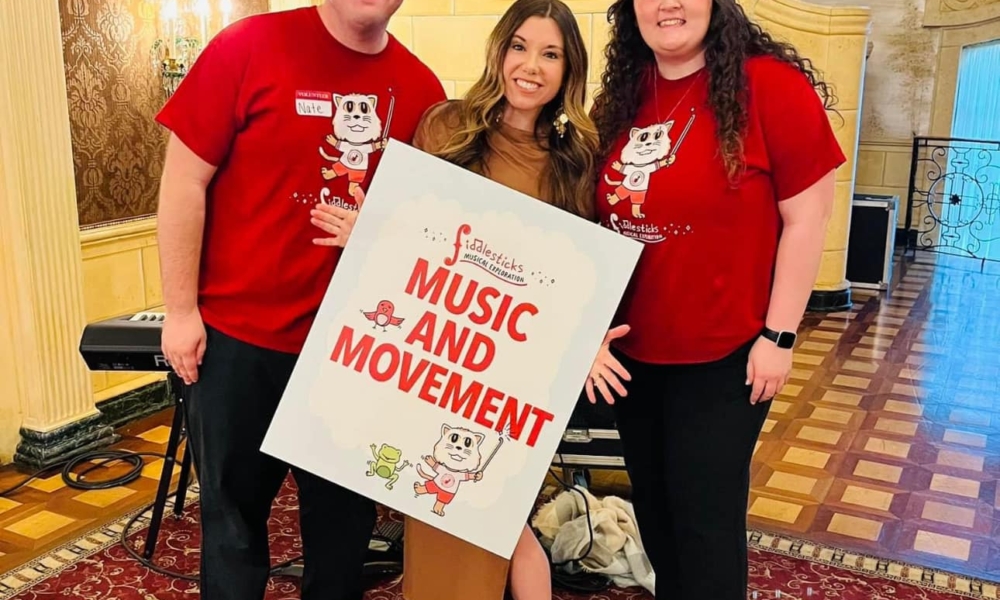
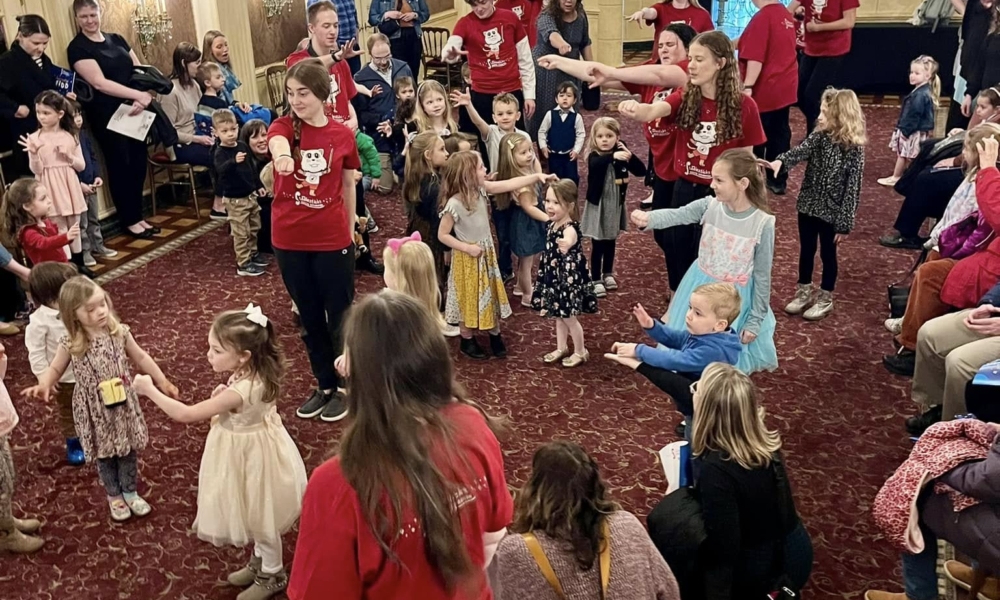
Added new partnerships with the Pittsburgh Symphony Orchestra (Fiddlesticks Family Concerts) and the Children’s Museum of Pittsburgh, expanding the reach and visibility of the initiative.
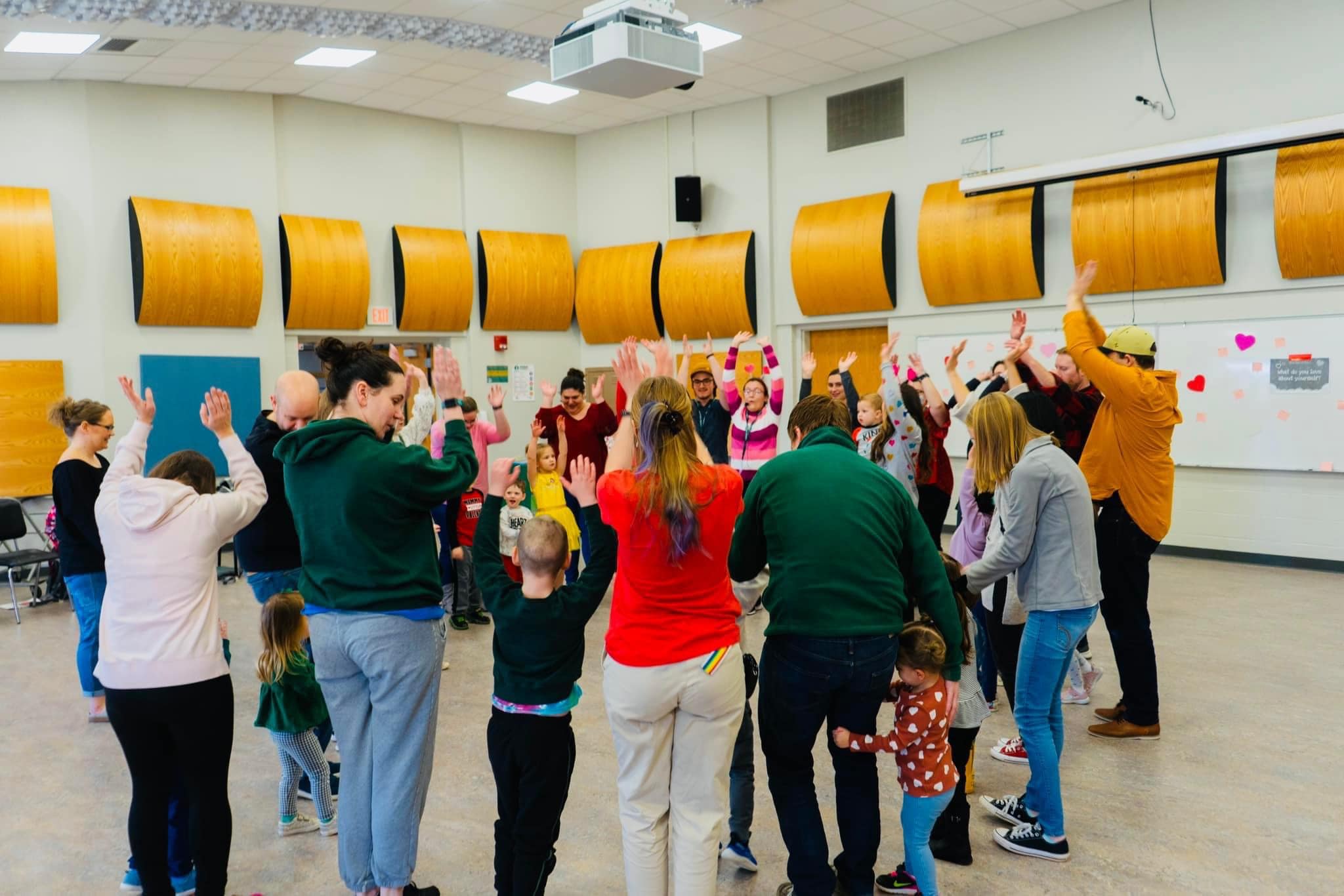
Developed thematic music-and-movement experiences aligned with partner organization events (e.g., Discovery Time Adventures).
Introduced special events, such as multi-week series and free public workshops, to engage children and families outside of school settings.
Phase 3: Sustainability & Deepened Advocacy (2020–Present)
Adapted programming for virtual and hybrid formats during the pandemic to ensure continuity and access.
Formalized reflection, observation, and mentorship practices for SRU students involved in the initiative.
Created an annual calendar of events, offering consistent programming through seasonal workshops, classroom residencies, and community concerts.
Continued to expand reach by presenting at conferences, collaborating with additional educators, and sharing the model with others seeking to implement similar programs.
Today, the initiative continues to operate year-round, engaging hundreds of children annually and preparing SRU music education students to be compassionate, equity-minded leaders in the field.
Overview of Planning and Execution
Planning and Execution Team:
Director and Lead Facilitator
Role: Founder and visionary of the initiative; designed curriculum; coordinated partnerships; supervised pre-service teachers; led workshops and events; oversaw assessment and reflection.
Time Commitment: Ongoing, year-round leadership (~10–15 hours/week during peak seasons).
SRU Music Education Students – Teaching Artists and Assistants
Role: Designed and led age-appropriate music activities for children; reflected on teaching practices; participated in trainings and debriefings as part of coursework or independent study.
Time Commitment: Varies by course or semester involvement (~2–4 hours/week per student during placements or events).
Early Learning Connections Teachers & Administrators – Collaborators and Coordinators
Role: Coordinated on-site programming; facilitated communication with classroom teachers and families; integrated initiative into existing early learning routines.
Time Commitment: Event and planning-based (~1–2 hours/month per partner).
SRU/SGA Preschool Staff – On-Site Partners
Role: Provided logistical support and classroom access; collaborated on lesson planning and scheduling.
Time Commitment: Regular engagement during sessions (~1 hour/week during semesters).
Pittsburgh Symphony Orchestra Education Team – Artistic and Educational Partners
Role: Partnered on Discovery Time Adventures and Fiddlesticks programs; aligned musical content with symphony repertoire and events.
Time Commitment: Seasonal collaboration (~10–15 hours/project).
Children’s Museum of Pittsburgh Educators – Community Program Hosts
Role: Hosted live music-and-movement experiences on-site; promoted events to families; assisted with space and audience engagement.
Time Commitment: Event-based (~3–5 hours/month during active programming).
Community Volunteers and Parents – Event Supporters and Advocates
Role: Helped with logistics, child engagement, and family outreach at public events.
Time Commitment: Occasional, as needed (~2–3 hours/event).
Tools and Resources
Curriculum and Pedagogical Frameworks
Developmentally appropriate music and movement curriculum grounded in methodologies and philosophies focused on early music learning.
Use of culturally responsive teaching principles to ensure equity and inclusion in musical content and delivery.
University Infrastructure
Access to SRU classrooms, music education materials, and rehearsal spaces for lesson development, planning, and reflection.
Integration with coursework and field experiences to provide pre-service teachers with structure and accountability.
Community Partner Facilities and Support
Use of physical spaces provided by Early Learning Connections, SRU/SGA Preschool, the Pittsburgh Symphony Orchestra, and the Children’s Museum of Pittsburgh for program implementation. Marketing and outreach support from partners to recruit families and promote events.
Teaching and Learning Tools
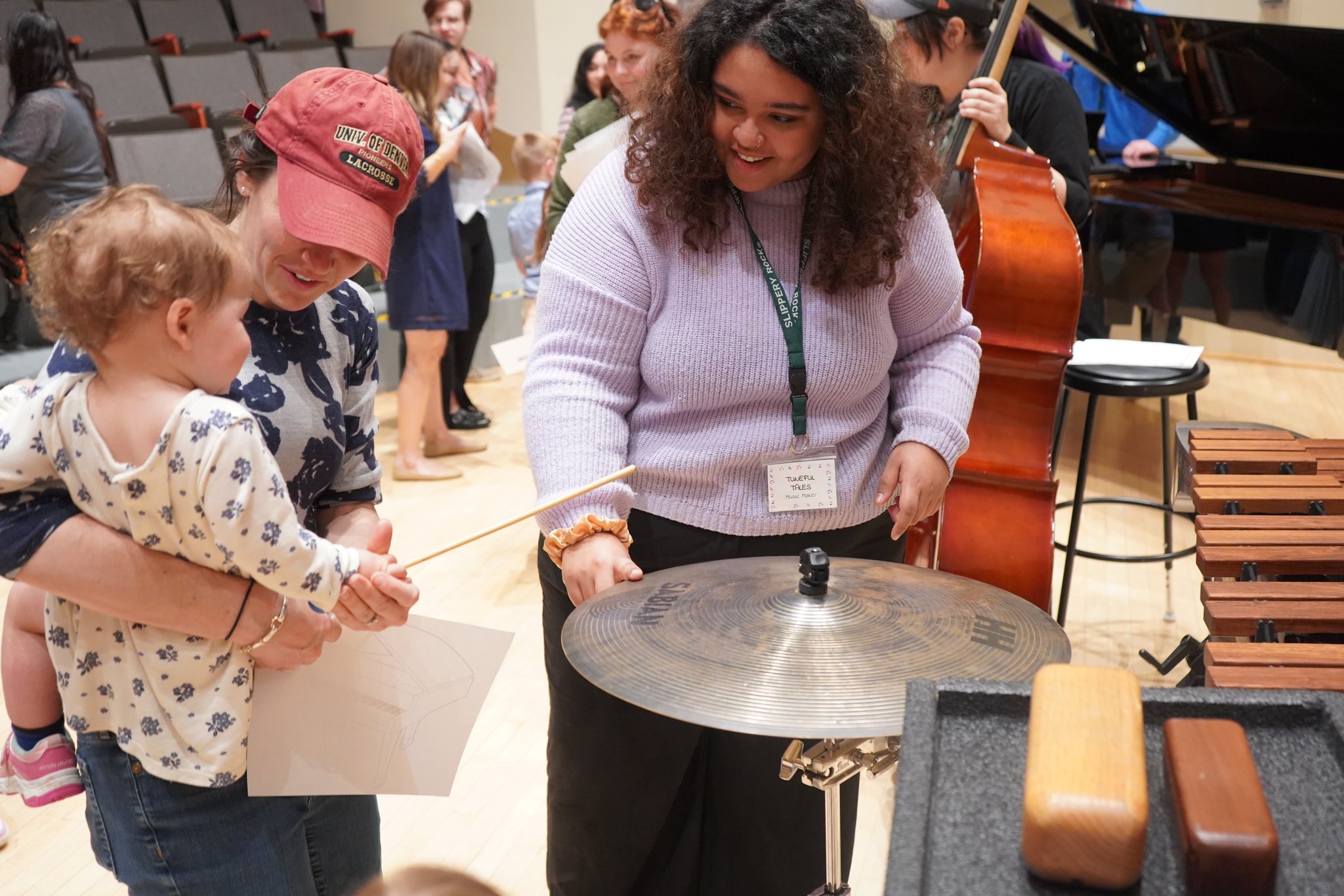
Age-appropriate instruments, props (scarves, rhythm sticks, drums), and visual aids. Use of recordings, playlists, and live performance elements to deepen engagement and connect to professional repertoire.
Assessment and Reflection Tools
Observation rubrics, reflective journaling, and group debriefs for university students to evaluate teaching effectiveness and refine instructional practice.
Digital Tools
Use of Zoom, Google Docs/Slides, Canva, and other collaborative platforms for planning, promotion, and hybrid/virtual programming when necessary. Social media, email newsletters, and university communication channels for advocacy, outreach, and visibility.
These tools and resources allowed the initiative to be both sustainable and scalable, ensuring consistent quality while adapting to the evolving needs of students, families, and the community.
Marketing and Promotion
Marketing and Promotion Strategies
To build awareness and generate enthusiasm for the SRU Early Childhood and Elementary Music Community Engagement Initiative, we used a multi-faceted marketing approach designed to reach families, educators, and community stakeholders.
University and Partner Communications
Collaborated with SRU’s marketing and communication team to share news through press releases, campus newsletters, and social media. Leveraged existing networks through Early Learning Connections, the Pittsburgh Symphony Orchestra, and the Children’s Museum of Pittsburgh to promote events via email lists, bulletins, and partner websites.
Social Media Engagement
Shared photos, event invitations, and highlights across Instagram, Facebook, and Twitter, making the initiative visible to a wider audience. Tagged community partners and used visual storytelling to show student involvement and child engagement, increasing shares and positive visibility.
Word of Mouth & Community Networks
Encouraged families and teachers to share their experiences, which fostered strong community buy-in and repeat attendance. Hosted events that encouraged connections between university students and local families, building a grassroots advocacy network.
On-Site and Event-Based Promotion
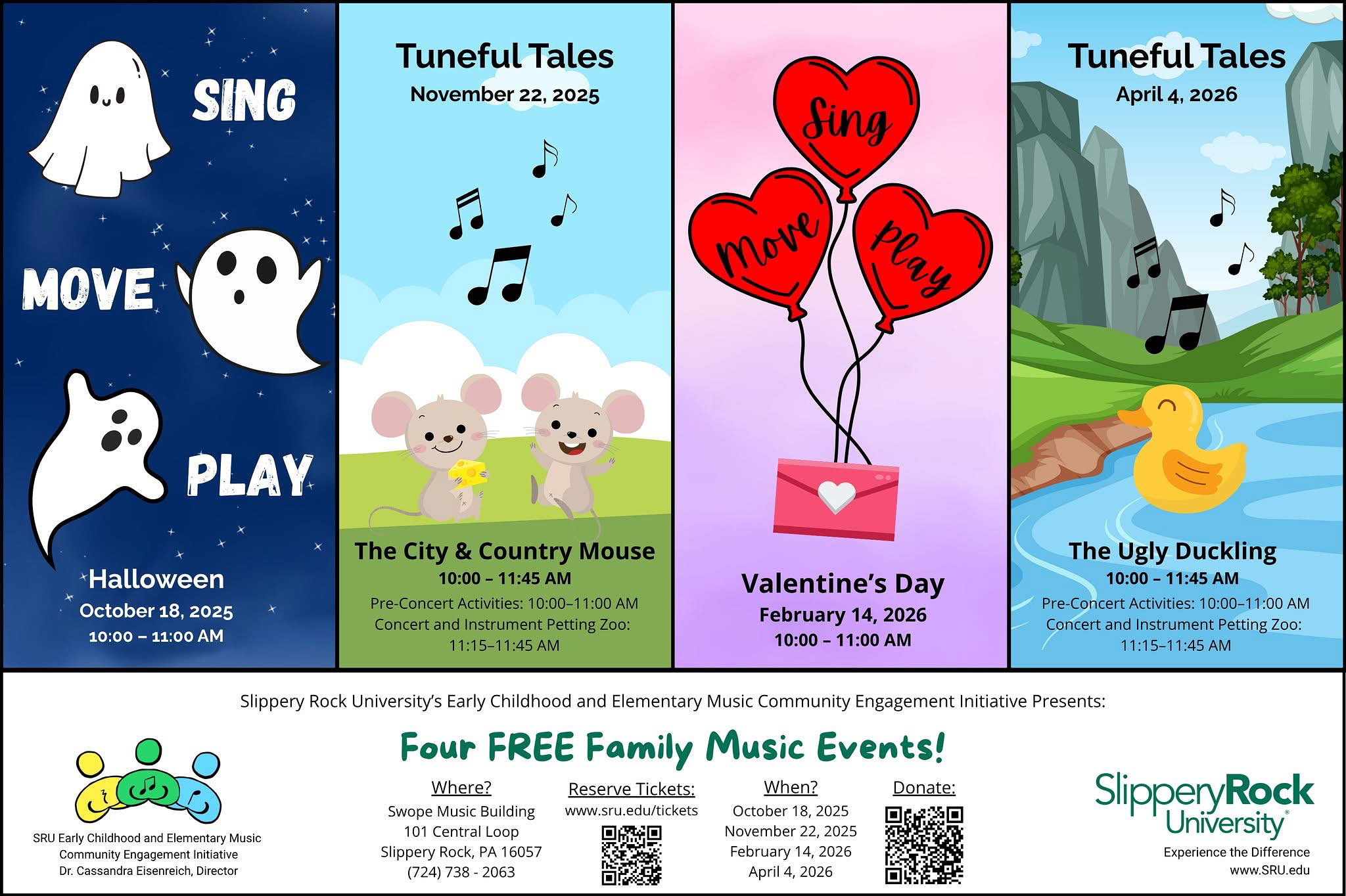
Designed flyers, posters, and take-home materials distributed through local preschools, libraries, and community centers. Included QR codes for easy access to event info and registration.
These efforts helped establish the initiative as a trusted and valued resource in the region. Increased visibility led to higher attendance, broader community partnerships, and greater support from university leadership. Most importantly, the marketing strategy helped position early childhood music as a vital, joyful, and accessible part of community life, advancing the initiative’s core advocacy goals.
Costs
The total annual cost of the SRU Early Childhood and Elementary Music Community Engagement Initiative ranges from $5,500 to $6,500 based on current funding and expenses.
Funding Sources:
The Pittsburgh Symphony Orchestra provides approximately $500 per year to support the Fiddlesticks Discovery Time Adventures initiative.
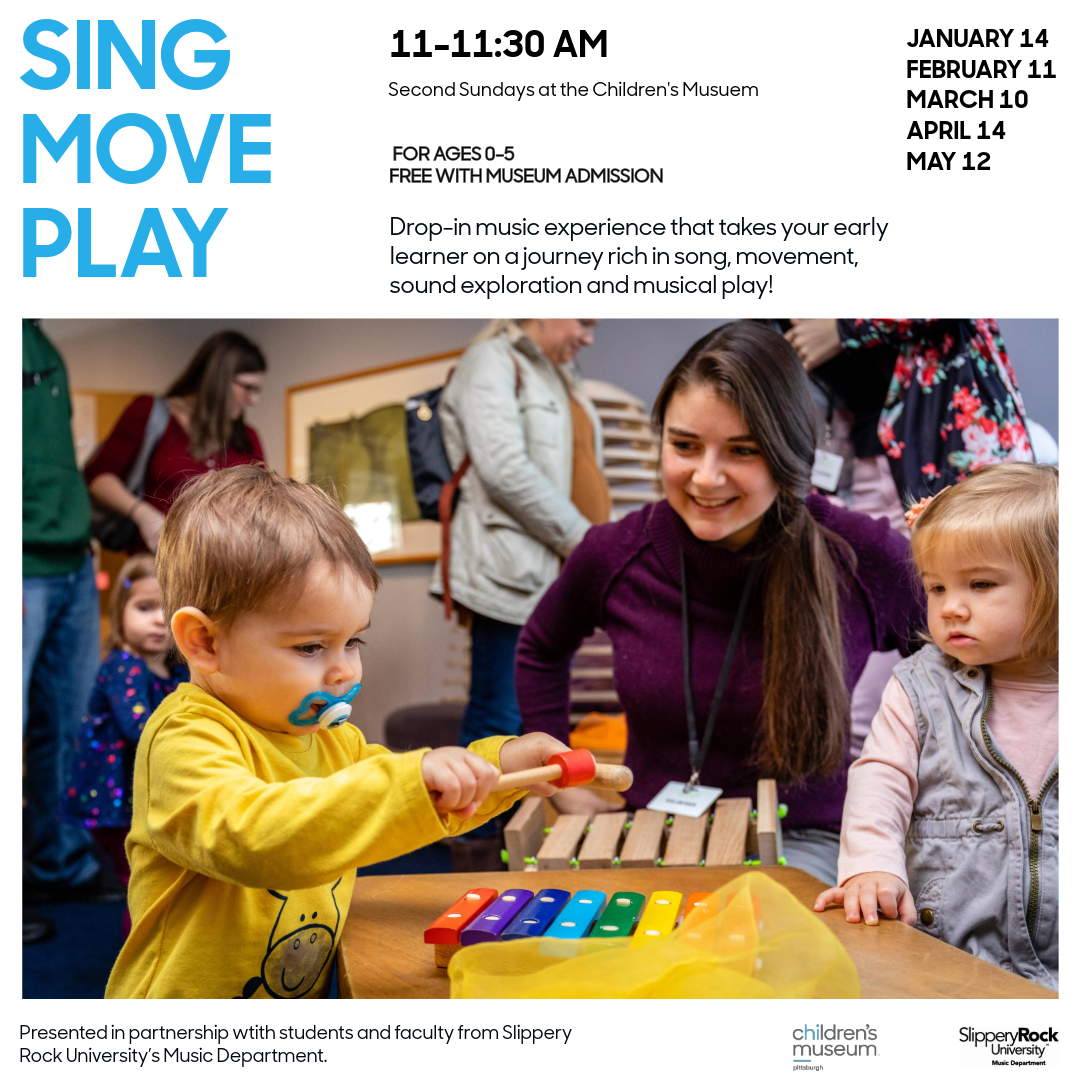
Blackwood Arts contributes around $1,200 per year for the Children’s Museum of Pittsburgh Sing Move Play programming.
A Pre-K Counts Grant funds approximately $4,815 annually to support the weekly classes at the SRU/SGA Preschool and the Free Family Music Event Series, which includes four on-campus experiences such as Sing Move Play and Tuneful Tales.
Expenses Include:
Teaching artist compensation and event staffing
Instructional materials (instruments, props, printed resources)
Event production needs (space setup, hospitality, documentation)
Promotional and outreach materials
This combined funding of approximately $6,500 per year allows the initiative to maintain high-quality, sustainable programming that effectively engages children, families, and educators in early childhood music education.
Challenges/Obstacles
A key challenge has been securing and maintaining consistent funding to support the initiative’s ongoing activities. Finding reliable financial resources requires continuous effort, grant applications, and sponsor engagement to sustain quality programming.
Another significant obstacle is that the initiative is primarily managed by Dr. Eisenreich alone, supported by her students, with no dedicated team or staff in place. This limits capacity for planning, execution, and growth.
Additionally, while many organizations express interest in partnering and expanding the initiative, limited funding and staffing resources currently restrict our ability to grow beyond existing programming. Balancing high-quality delivery with manageable scope remains an ongoing focus.
To address these challenges, we prioritize strategic partnerships and focus on sustainable programming within our current capacity, while actively exploring additional funding and support opportunities to build the team and expand reach in the future.
Success/Effectiveness Measurement
The SRU Early Childhood and Elementary Music Community Engagement Initiative has proven to be highly effective in broadening access to quality early childhood music education and fostering strong community connections.
Over the course of each year, the initiative directly serves more than 500 children and families through a combination of weekly music classes at the SRU/SGA Preschool and free family-friendly community events, such as Sing Move Play and the Free Family Music Event Series. Attendance at these events has steadily increased year-over-year, indicating growing community interest and trust in the program.
To assess impact, we gather qualitative and quantitative data through surveys and informal feedback from parents, caregivers, educators, and community partners. Consistently, respondents report increased enthusiasm for music, greater engagement in musical activities at home, and recognition of the program’s value in early childhood development. Many parents emphasize the welcoming and inclusive atmosphere, which encourages families of diverse backgrounds to participate regularly.
Moreover, SRU student teaching artists involved in the initiative provide reflective evaluations and formal assessments, noting significant growth in their pedagogical skills and confidence in community engagement. Their development directly contributes to the sustainability and quality of the program.
These combined data points—participant numbers, attendance trends, survey responses, and student reflections—demonstrate the initiative’s effectiveness in delivering meaningful music education experiences that resonate with families and educators alike, strengthening the local early childhood education landscape.
Community Impact
The SRU Early Childhood and Elementary Music Community Engagement Initiative has made a significant impact—strengthening the university’s music program, supporting local schools, and enriching the broader community.
At Slippery Rock University, the initiative provides authentic, hands-on learning for undergraduate and graduate students. Engaging directly with families and young learners, students develop vital teaching skills, community outreach abilities, and culturally responsive approaches. This experience enhances their confidence and adaptability while preparing them to meet the diverse needs of modern classrooms. It also reinforces SRU’s reputation as a leader in music education.
In local schools and early childhood centers, the initiative addresses a critical need by expanding access to high-quality, developmentally appropriate music education. Partnerships with early learning sites, including the SRU/SGA Preschool, model best practices and benefit both educators and families. Teachers gain confidence and enthusiasm for integrating music activities, while parents appreciate resources that extend learning at home. This creates a lasting foundation for lifelong engagement with music and the arts.
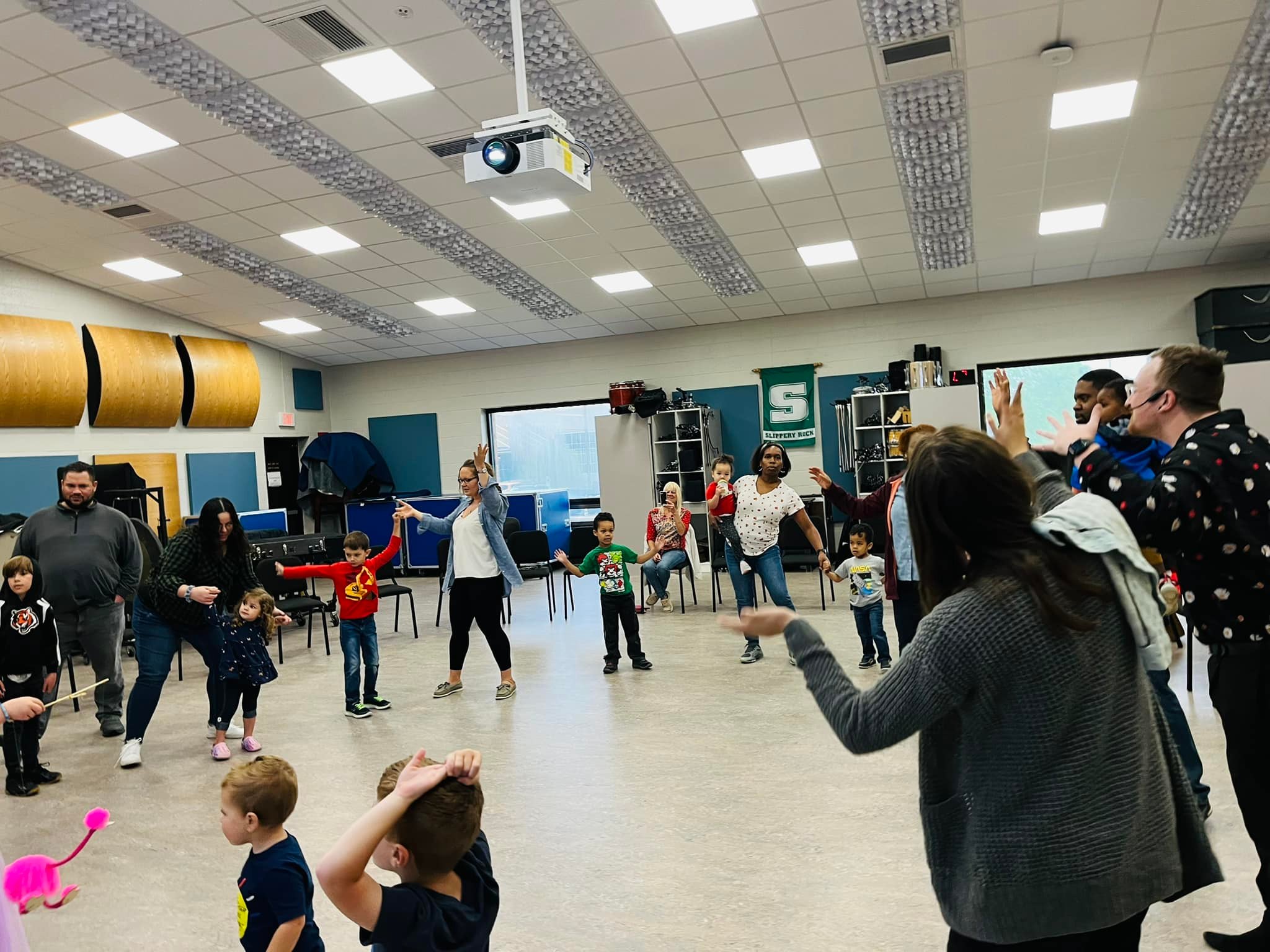
Beyond education settings, the initiative serves as a catalyst for community enrichment. Free family-friendly events like Sing Move Play and the Free Family Music Event Series attract diverse audiences and lower barriers to arts participation. Collaborations with organizations such as the Pittsburgh Symphony Orchestra Fiddlesticks Concerts, Children’s Museum of Pittsburgh, and Blackwood Arts expand the initiative’s reach and foster a dynamic network of support. These events offer joyful, interactive music experiences and strengthen social connections, cultural appreciation, and early childhood development.
Overall, the initiative transcends traditional boundaries to build a vibrant, inclusive community where music is accessible, valued, and a vital part of growth—demonstrating effective advocacy in action.
Advice for others?
Build strong partnerships, center community needs, secure sustainable funding, and empower your team. Most importantly, believe in music’s power, start with passion even if you have nothing, and never accept failure as final. Collaboration and commitment drive lasting impact.






Supporting Materials


https://www.youtube.com/watch?v=QGILjRqNs_U
https://www.instagram.com/SRU_Early_Childhood_Music/#
https://www.facebook.com/SRUEarlyChildhoodandElementaryMusic
https://docs.google.com/document/d/199Fnlnf_fAMivYVi9BMUJGuEBv6mXZ5LdaDl-L6BOz8/edit?tab=t.0
https://docs.google.com/document/d/1kockzNWAxQkLwkm1yQfWRFcdkdQ81THCY_jC2-I5IZM/edit?tab=t.0