

Cincinnati All-Star Drumline
Cincinnati All Star Drumline – Milford H.S., Cincinnati, Ohio



Description
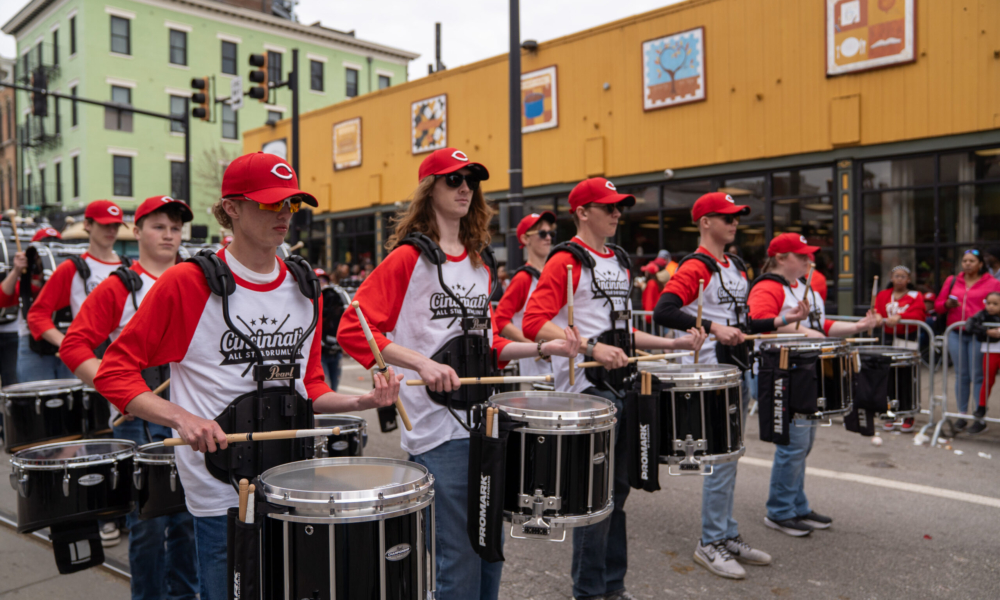
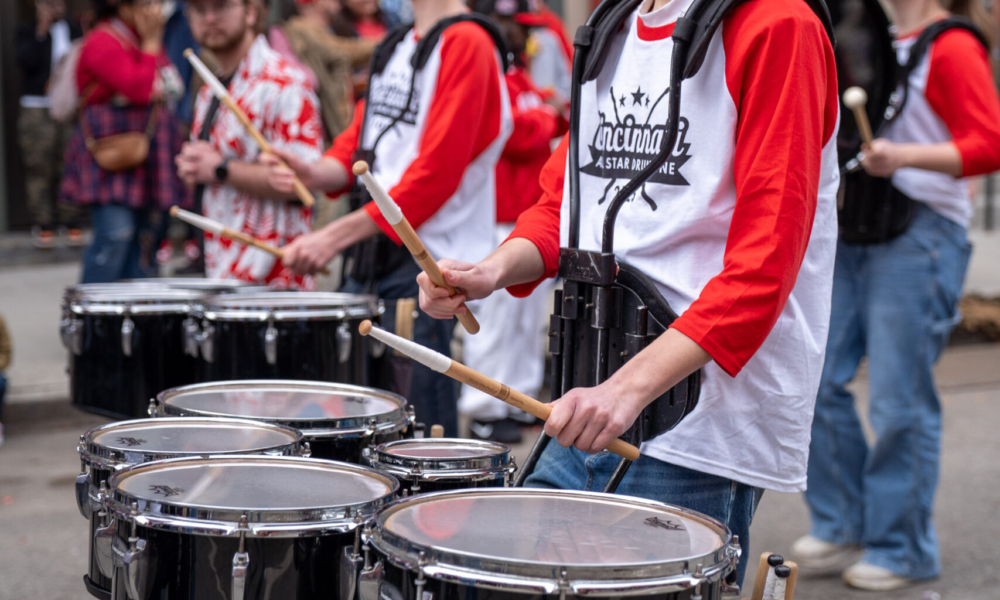
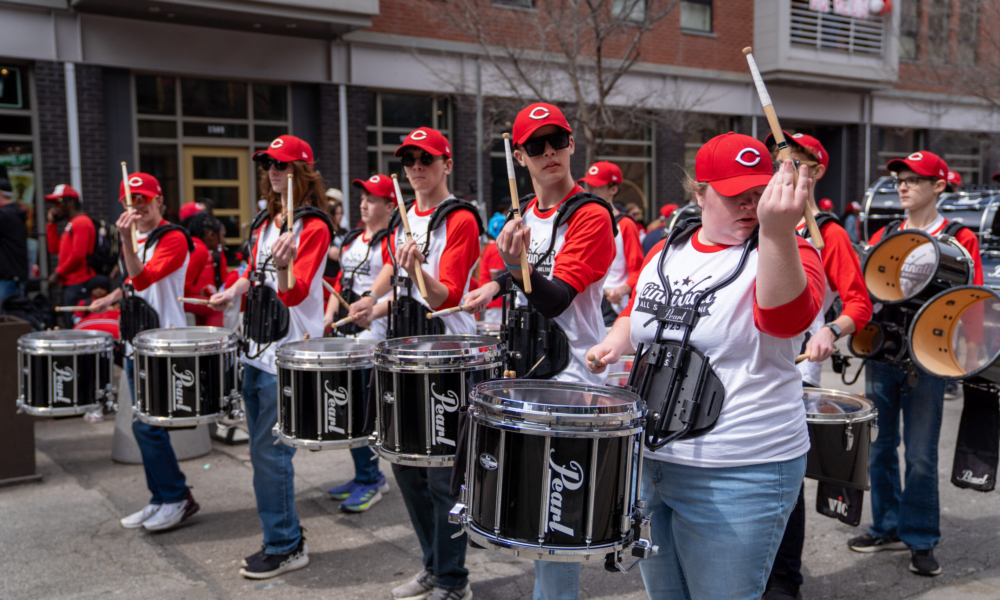
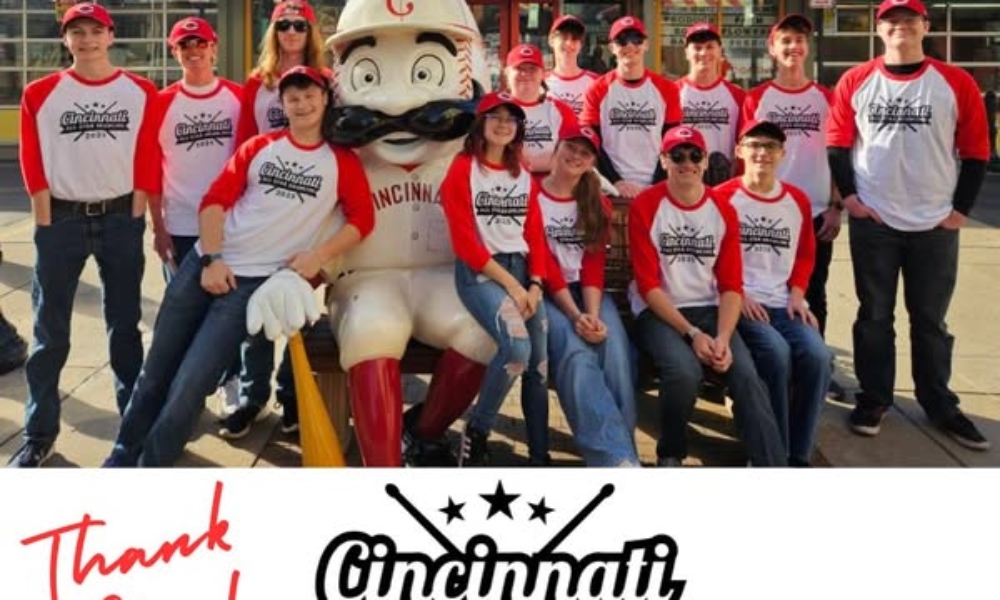
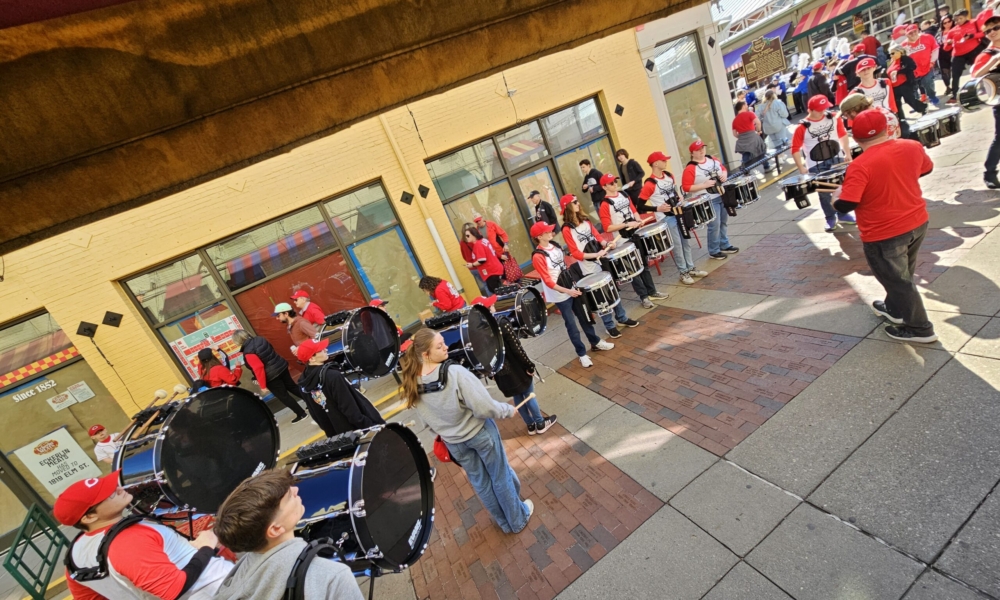
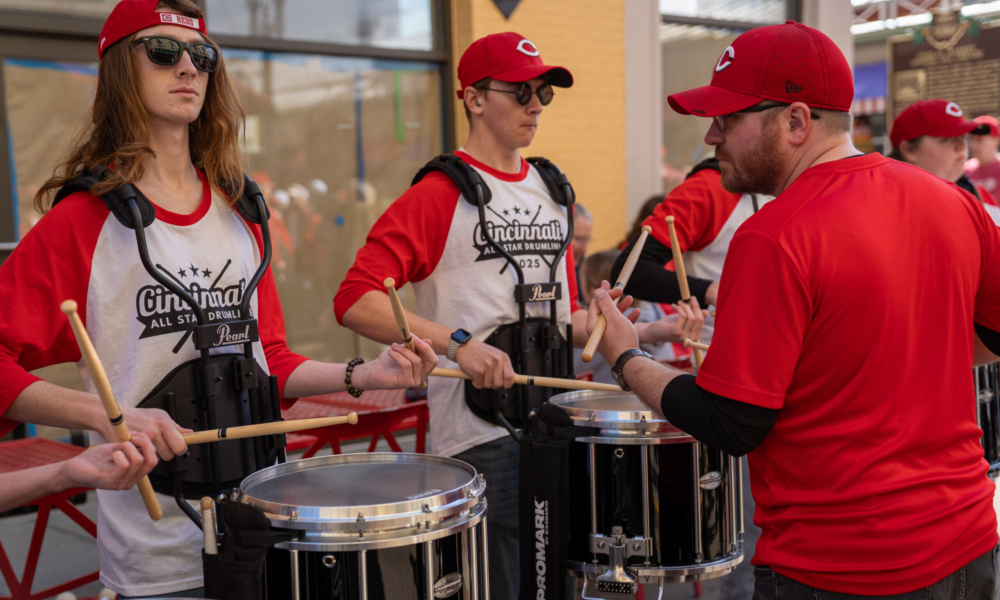
The Cincinnati All-Star Drumline is a community-based ensemble made up of student percussionists from the Greater Cincinnati area. Guided by music educators, the group offers impactful performance opportunities while advocating for music education. Their appearances at public events help highlight the importance and value of school music programs.
Objectives
The primary objective of the advocacy initiative was to create a meaningful, collaborative musical experience for students while highlighting the unifying power of music education. Although many students have access to strong music programs, their interactions are often limited to only competitive settings. This initiative aimed to shift that dynamic by fostering connection, teamwork, and shared purpose across schools and communities. Through limited rehearsal time and a public performance, the project demonstrated how music can bring students together, build confidence, and showcase the broader impact of music education beyond the classroom.
Target Audience
Students were the central focus, as the project aimed to provide them with a unique, non-competitive performance experience that encouraged collaboration and pride in their musical achievements.
Parents and families were engaged to strengthen their connection to and investment in school music programs. Seeing their children perform publicly helped reinforce the value of continued arts education.
Teachers and directors were involved as advocates and partners, essential in preparing and encouraging student participation. The initiative also offered them inspiration and a broader perspective on the impact of their work.
School administrators were included to raise awareness of the benefits music education brings to schools. By highlighting student involvement and positive community engagement, the project helped showcase the visibility and value strong music programs can offer.
Timeline
Initial Planning & Outreach (Fall)
The concept for the advocacy initiative was introduced during the fall through meetings with local music educators. These conversations served to gauge interest, gather feedback, and build early support among school band directors. A performance slot was secured in a major community event, (Findlay Market Cincinnati Reds Opening Day Parade), providing the ensemble with a highly visible platform. This opportunity helped shape the scope and direction of the project moving forward.
Infrastructure & Fundraising (Winter)
At the start of the new year, the planning team finalized timelines, designed branding materials (logos/signage), and launched outreach efforts to secure financial support and in-kind donations from local businesses and organizations. Directors from participating schools submitted student nominations. Once selected, students received formal invitations, rehearsal schedules, sheet music, and other necessary information. Administrative details such as permission forms and credential collections were also managed during this phase.
Rehearsals & Performance
Two ensemble rehearsals were held in the weeks leading up to the event, offering focused instruction from volunteer educators. The initiative culminated in a public performance at the large-scale community event, where students showcased their work and the value of music education to thousands of spectators.
Overview of Planning and Execution
Ensemble Directors: served as the founders and primary leaders of the initiative. They developed the overall vision for the project, created the project timeline, organized/arranged music, and coordinated rehearsal schedules. Additionally, they led efforts in student recruitment, school and community outreach, sponsorship and funding, and day-of logistics.
Marching Band Technicians and Staff: volunteered to work directly with students during rehearsals and the performance. They provided instructional support, helped refine visual and musical elements, and ensured a smooth rehearsal process despite limited preparation time.
Booster and Parent Representatives: played a critical role in supporting event logistics and communication. Their responsibilities included organizing student swag (such as shirts, hats, stickers, and water bottles), assisting with social media and local media outreach, managing volunteer coordination, and helping with day-of event operations.
Tools and Resources
Instructional Resources: Volunteer educators provided ensemble instruction, ensuring students were well-prepared. Music was organized specifically for the ensemble, and a warm-up packet—including standard percussion exercises—was developed to align technical skills across schools.
Branding and Visual Materials: A cohesive brand identity was established through a student-designed logo, coordinated uniforms, and branded items such as hats, shirts, stickers, and water bottles. Printed signage and banners were also produced to create a professional appearance during the public event.
Digital Tools and Social Media: Social Media platforms were used to promote the initiative, highlight student experiences, recognize sponsors, and maintain engagement throughout the preparation period.
Community and Business Partnerships: Local sponsors provided financial support and in-kind donations, while community organizations helped with logistics and promotion. These partnerships played a crucial role in expanding the project’s reach and ensuring its success.
Media Outreach and Publicity: Although not originally planned, local news outlets picked up the story, providing valuable media coverage that increased visibility and public awareness of the initiative.
Marketing and Promotion
Branding included a student-designed logo, coordinated apparel, and branded swag such as shirts, hats, stickers, and water bottles. This visual identity fostered ensemble unity and made the group easily recognizable to the public.
Social Media platforms were used for outreach and momentum. Rehearsal videos, student highlights, countdowns, and sponsor acknowledgments were posted to maintain interest and build excitement among participants and the community.
Community Partnerships with local organizations and businesses helped amplify the initiative’s reach. Cross-sharing content across multiple platforms expanded the audience and reinforced the ensemble’s message.
Local News Coverage helped further elevate the initiative. Although unplanned, this coverage brought valuable visibility to the project, enhancing its impact and giving students and supporters a greater sense of pride in their work.
Costs
The total budget for the advocacy initiative was approximately $800, which covered all essential expenses to support a high-impact, student-centered experience. The breakdown is as follows:
Uniforms – $350
This included custom shirts for students and staff, along with screen printing services to create a consistent and professional appearance for the ensemble.
Student Swag & Equipment – $200
Items such as water bottles, stickers, and small performance-related accessories were provided to build ensemble identity and enhance the student experience.
Branding & Signage – $150
Funds were used to design and print a group banner, two large signs, and a display frame for public events and media visibility.
Rehearsal & Performance Hospitality – $100
Sports drinks, water, and snacks were purchased to support students during rehearsals and at the performance event.
Challenges/Obstacles
One of the primary challenges encountered was securing a performance opportunity in a major public event. The organizing committee for the event was highly selective, and as a first-year ensemble without prior performance footage or media coverage, it was difficult to establish credibility. The team overcame this by developing a compelling proposal that emphasized the ensemble’s collaborative nature, diverse student representation, and potential for community impact. By focusing on the initiative’s mission and unique qualities, the group successfully earned a performance spot.
Success/Effectiveness Measurement
Yes. The primary objective was to create a high-visibility, student-centered musical experience that united participants from different schools and showcased the value of music education.
Effectiveness was measured primarily through student feedback. All student participants reported a positive experience and expressed interest in returning for future events, with many showing enthusiasm for helping expand the initiative. This strong response indicates a lasting impact and a solid foundation for growth.
Community Impact
The initiative had a significant positive impact on participating music programs and the wider community. It brought students from multiple schools together, promoting cross-district collaboration and reinforcing music’s power to connect individuals from different backgrounds.
Students returned to their home ensembles with greater confidence, motivation, and a renewed sense of purpose. Educators noted increased leadership and pride among their participants. For families, school leaders, and community members, the project served as a visible reminder of the importance of supporting arts education.
The public performance reached thousands of attendees and generated local media attention, helping to elevate awareness around school music programs. Community engagement—including business sponsorships and social media support—strengthened ties between schools and their surrounding communities, reinforcing the message that music education is both valuable and worth investing in.
Advice for others?
Student music collaborations are powerful. They build community, spark motivation, and give students a meaningful, real-world experience. If you’re considering it—do it. The impact on your students and your program will be well worth the effort.