

Elder’s Wisdom, Children’s Song
Park Spanish Immersion Elementary Music, St. Louis Park, Minnesota
Description
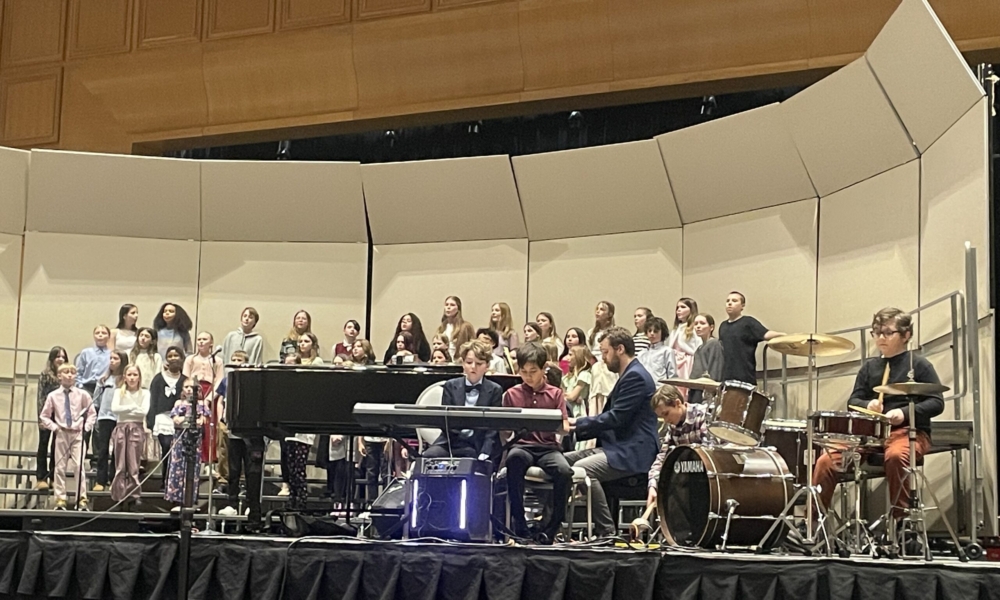
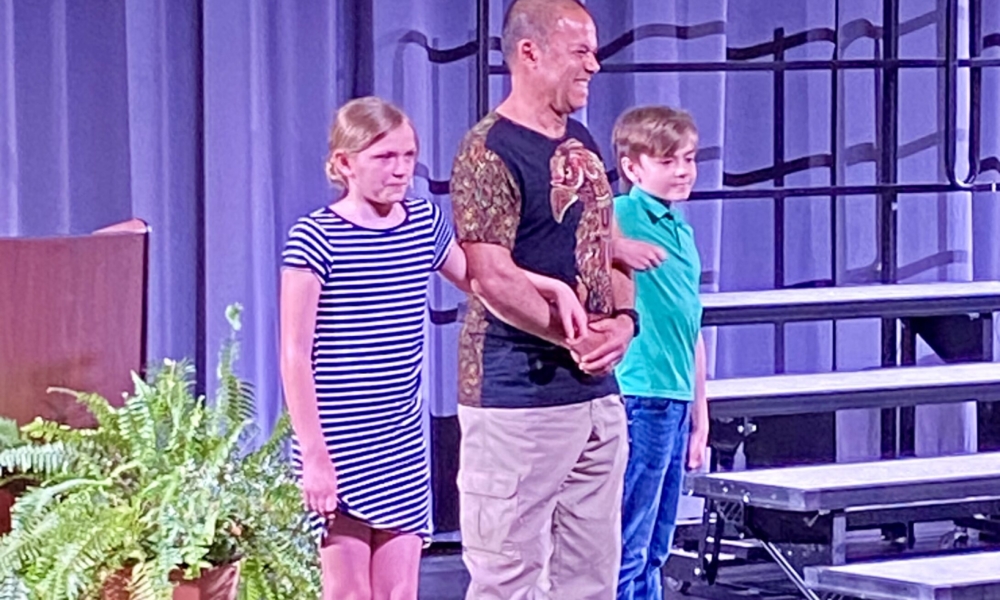
Elder’s Wisdom, Children’s Song™ is a transformative, school-based project in which students compose and perform original songs to honor Elders in their community. Originally developed by Larry Long through decades of community-based work, our district teachers partnered to embed EWCS as a recurring, standards-aligned component of the music curriculum—making our school among the first to integrate it in a sustained, curricular way. By embedding this into school culture, we are sending a clear message that music plays a vital role in social-emotional growth, interdisciplinary learning, and inclusive, community-centered education.
Objectives
The objectives of Elder’s Wisdom, Children’s Song are threefold: 1) to empower every student (not just those enrolled in ensembles) to see themselves as inherently creative and musical; 2) to highlight music’s rich connections with other disciplines; and 3) to demonstrate to families, administrators, and the broader community music’s transformative power in fostering empathy, connections, and belonging.
By embedding this project into the music curriculum, all students experience an education that uplifts their voice and ideas through creativity–not just technical skills or performance prowess. This approach engages learners as composers, lyricists, and collaborators, fostering intrinsic motivation and a strong sense of ownership over their music. Ultimately, it nurtures a lifelong relationship with music rooted in personal expression and human connection.
This project also highlights music’s natural integration with other disciplines, communicating that music education should not be siloed but rather positioned as interdisciplinary. Through interviewing Elders and exploring their stories, students connect with history, culture, geography, science, and language arts. Crafting lyrics from real-life narratives enhances literacy, critical thinking, and poetry skills, while selecting musical genres linked to the honoree’s background broadens cultural understanding. By bridging classroom learning with community wisdom, students see music not as isolated notes on a page, but as a vibrant part of a larger social and academic ecosystem.
Finally, this project serves as advocacy-in-action: it redefines “music excellence”, and invites the public to witness music’s unique power to convey emotion, foster cultural understanding, and build human connections–not just entertain. It offers a replicable model that inspires others to reimagine music education as inclusive, rooted in real-world relevance, and essential to school culture.
Target Audience
Students are at the heart of this work. Many do not see themselves reflected in traditional ensemble-based music programs, which often prioritize technical skills over original creativity, expression, and connection. This initiative ensures all students, regardless of background, ability, or prior musical experience, are empowered to see themselves as inherently musical and capable of meaningful artistic contribution.
Parents and caregivers are included because they influence how students value their own creativity. When families witness their child’s ideas come to life in an original song, centered on real human stories, it depends on their understanding of what music education can be and strengthens home-school connections.
Teachers and administrators are essential because their curricular choices and leadership priorities often define the boundaries of what is possible in school. By demonstrating music’s natural integration with other subjects and its power to build empathy and school culture, this initiative invites educators and leaders to rethink how music can be positioned–not as a siloed elective, but as a core contributor to holistic learning.
Community members, especially the Elders we honor, are central. This initiative models intergenerational learning and validates the wisdom and lived experiences of people who are often overlooked. In doing so, it strengthens community ties and positions schools as places of connection.
By engaging all five groups, this project doesn’t just advocate for music education; it builds a shared understanding of music’s unique and powerful role at the intersection of creativity, community, culture, collaboration, compassion, and craft.
Timeline
This initiative began four years ago through conversations with American troubadour and community member Larry Long (again, connecting with the community!), who developed Elder’s Wisdom, Children’s Song™ over a 40-year period of working in schools and communities throughout the United States. Recognizing its power to build empathy, connection, and uplift student creativity, we partnered to integrate the complete EWCS intergenerational process into the school-day curriculum, ensuring more students could access its transformative potential and helping continue Larry’s vision and legacy.
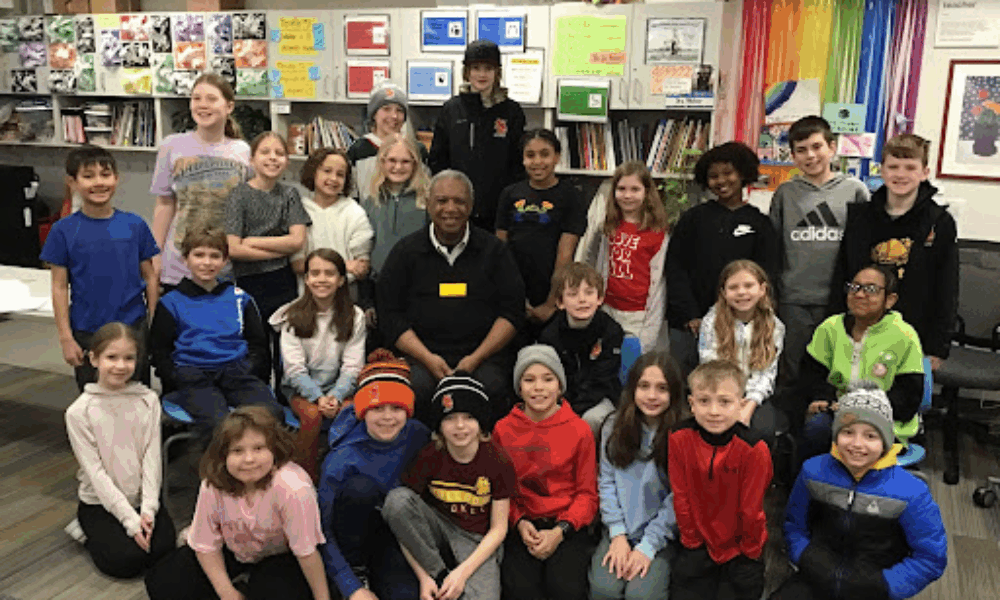
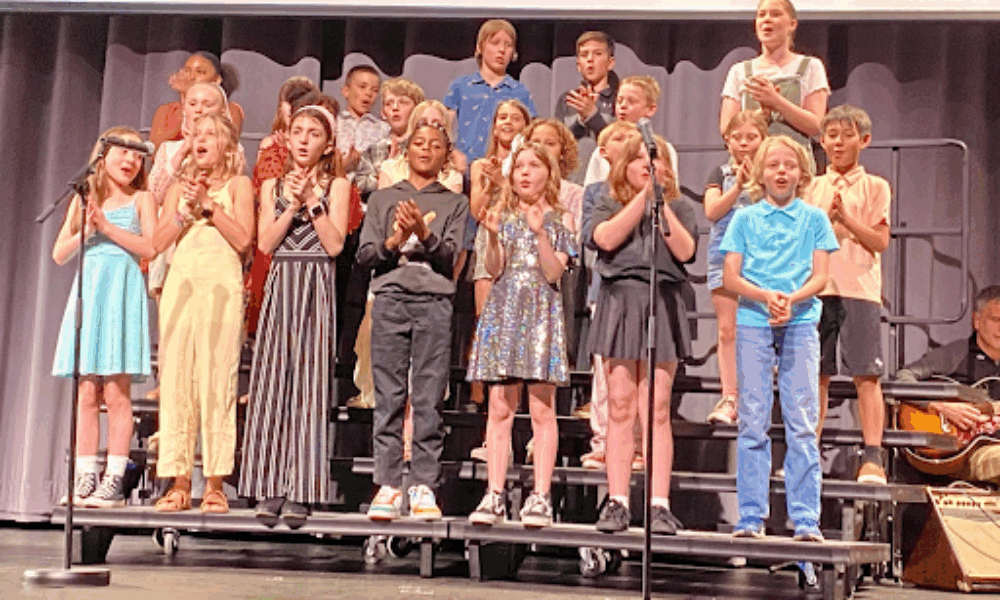
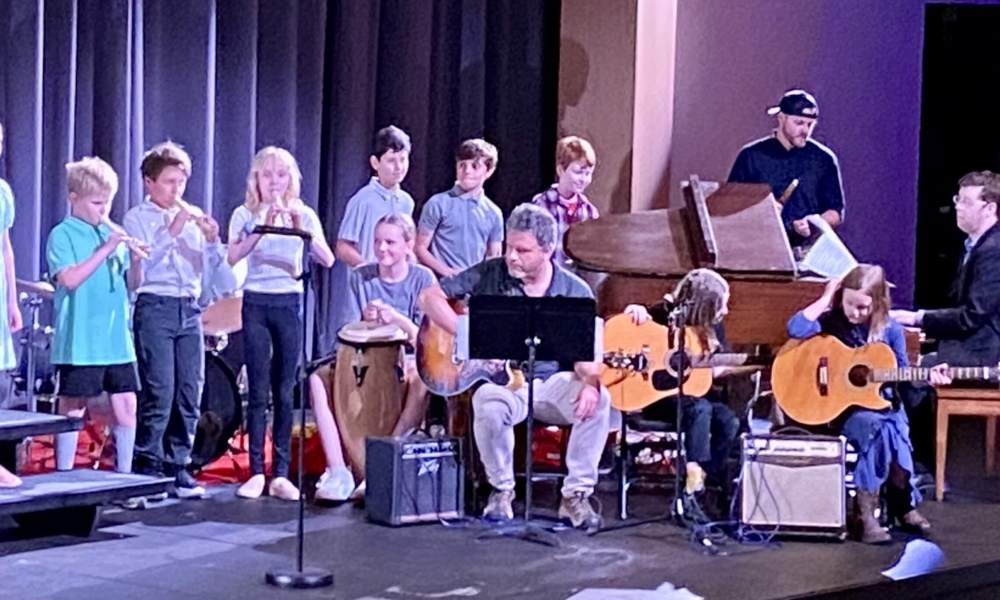
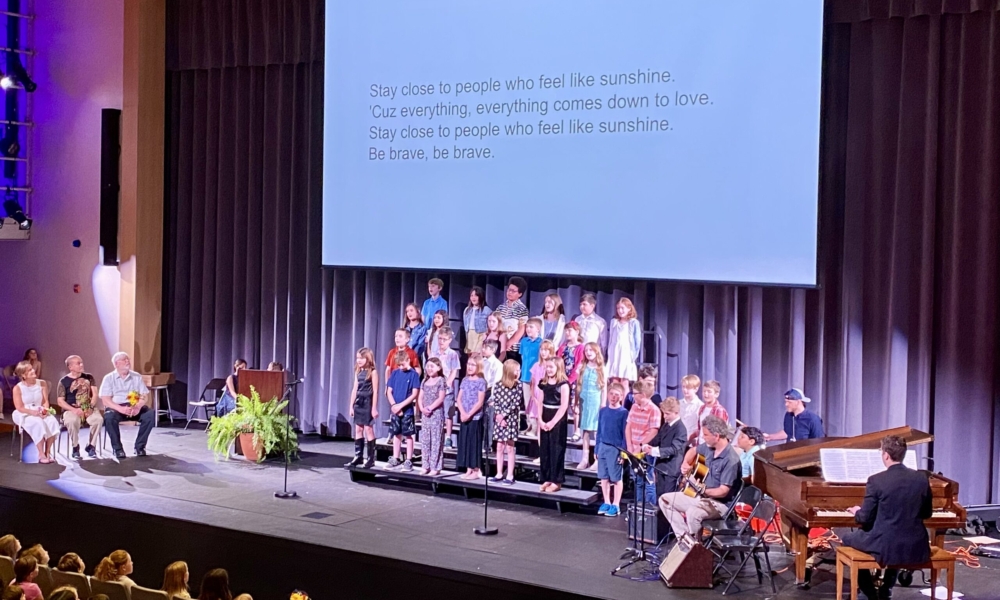
The STEAM teacher and music teacher then worked to integrate the project into our curricula. Modeling interdisciplinary collaboration as adults, we developed a step-by-step process rooted in student voice, teamwork, and community connection. Students begin by nominating and voting on marginalized community Elders they wish to honor. They then develop questions and conduct classroom interviews, recording each Elder’s life story. From there, students identify key themes and distill the Elder’s words into song lyrics. They choose a musical genre reflective of the honoree’s story and being improvising melodies. After the harmonic structure is added, and both student and community instrumentalists join the band, the process culminates in a public performance, not framed as a talent showcase, but as a gift of learning and gratitude.
The first year’s success–emotional, engaging, and unforgettable–made it clear this was more than a project; it was a powerful form of advocacy. In the years since, it has become part of our school culture. Past participants mentor younger students, and younger students eagerly ask, “When do we get to do Elder’s Wisdom?” What began as a pilot has grown into a beloved and lasting tradition, one that amplifies marginalized voices, empowers student creativity, and deepens our community’s understanding of what music education can truly be.
Overview of Planning and Execution
Students (approx. 6 weeks) – They drove the heart of the creative process. They developed interview questions, conducted interviews, wrote lyrics, improvised melodies, rehearsed vocal and instrumental parts, performed as an entire class, and even served as event emcees.
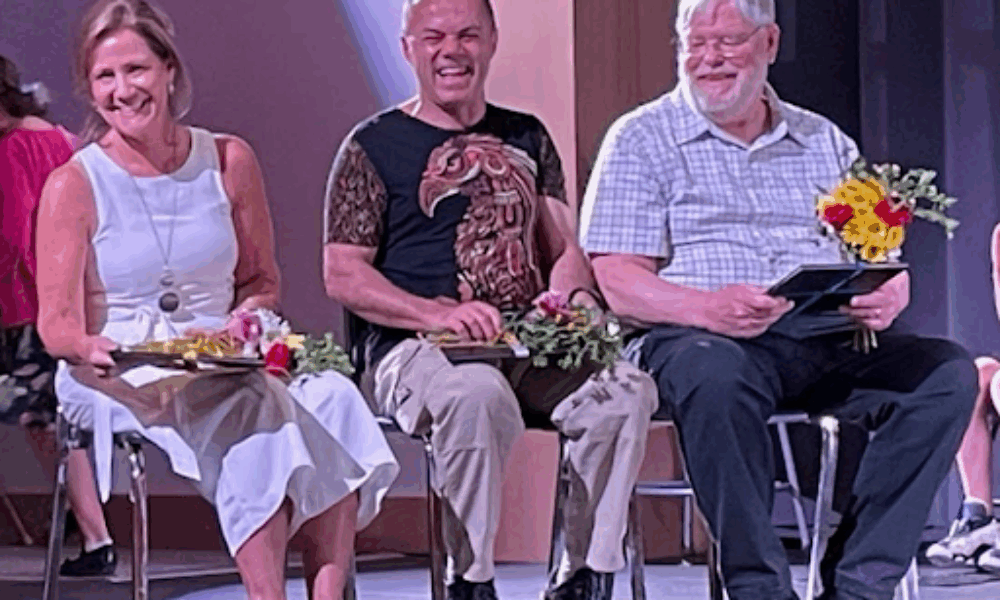
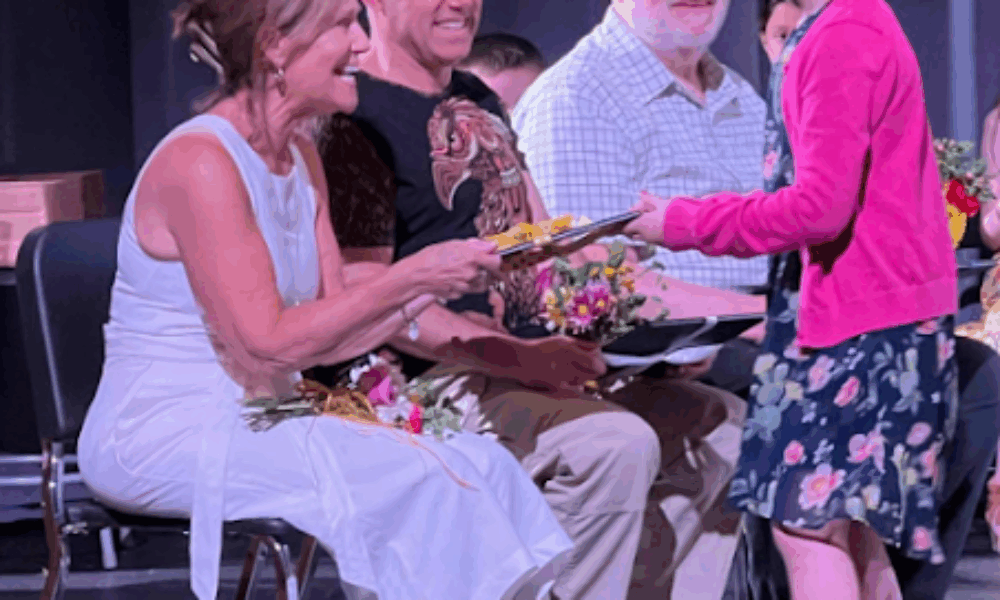
Honored Elders (3-4 days) – They generously donated their time to visit our school, and shared their life stories with openness and vulnerability. Their willingness to be seen and heard gave students powerful, authentic material to transform into song.
Larry Long, community musician & founder (1 day) – He shared the original structure and philosophy of Elder’s Wisdom, Children’s Song, inspiring us to adapt it into our curriculum. His guidance helped root the project’s purpose.
STEAM Teacher and Music Teacher – The two lead educators co-developed the project, handled logistics, and guided students through the creative and interdisciplinary process from Elder selection to final performance.
Community & Staff Instrumentalists (1-2 rehearsals + performance) – Volunteer musicians from our school and community donated their time and talents to rehearse and perform alongside student instrumentalists, helping bring the songs to life and modeling collaborative music-making across generations.
School Principal and District Curriculum Director (periodic support) – Their belief in the project removed key barriers. They approved curricular restructuring and arranged substitute coverage to give us planning time, helping to embed this initiative into the school day and affirm the value of music and arts-based learning.
Tools and Resources
Our initiative requires minimal resources, which speaks to its accessibility and replicability. Students used simple tools such as notebooks and a school iPad to record Elder interviews and student-improvised melodies. While optional, we chose to hire a professional transcriber to convert the audio into text, making it easier for students to analyze the stories and identify themes for their lyrics.
To inspire musical choices, we used YouTube clips to explore various genres. A piano and music notation software supported the development of the harmonic structure of the songs.
We also added a few thoughtful, optional elements to deepen the experience. Students created illustrated books to accompany the songs, which were printed and bound as gifts for each Elder. We purchased flowers to present at the event and hosted a small reception with juice and cookies for families and guests.
Volunteer staff and community musicians generously donated their time to rehearse and perform alongside students. Altogether, the total cost for materials and services was approximately $300–but this initiative could likely be done on a budget under $100.
Marketing and Promotion
Our marketing and promotion strategy focuses on authentic, community-centered communication and word-of-mouth rather than traditional advertising. Early in the process, we involve families, inviting their input and including them in the Elder nomination process. This builds early buy-in and a shared sense of ownership.
Our principal supported the effort by including regular updates in the school’s weekly newsletters, keeping families informed and reinforcing the project’s alignment with our school’s mission and culture. We also engaged homeroom teachers, sharing the purpose and impact of the initiative. They encouraged the students, spoke positively about the project, and chose to attend the final celebration event, further strengthening the school-wide community.
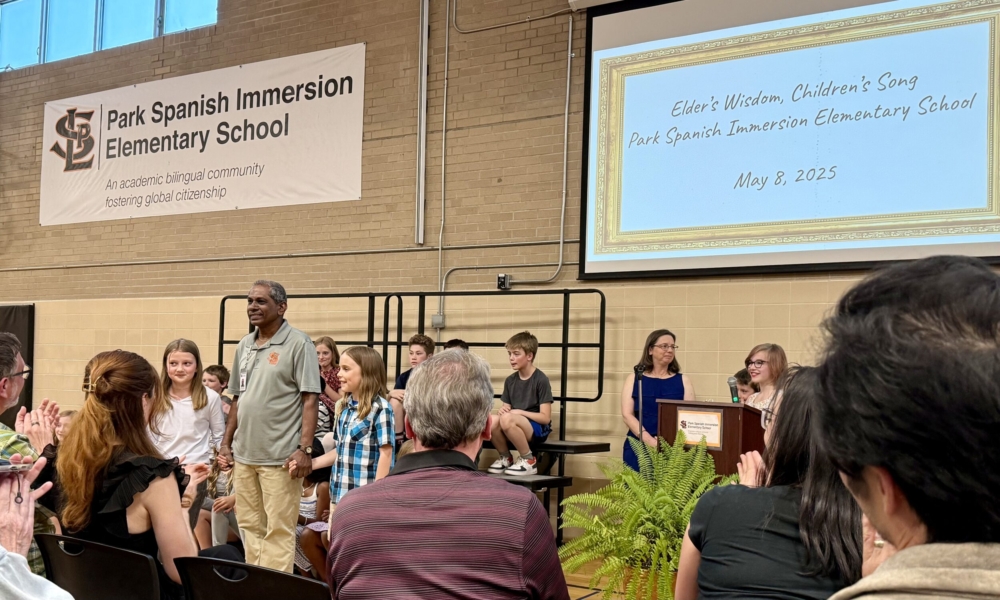
These collective efforts create a ripple effect of excitement. Because the project is rooted in community connection, families feel genuinely invested in the process and outcome. We are proud to consistently see 95-100% attendance from students and families at the final after-school celebration–remarkable considering this includes an entire grade level, not just students in elective ensembles where performances are expected.
This has helped reframe music education in our school as something relevant, inclusive, and connected to students’ lives and their broader community.
Costs
Professional Transcription Service (optional) – $150
Book printing and binding (optional) – $50
Flowers (optional) – $50
Reception Supplies (optional) – $50
All musical instruments, notation software, and technology were provided by the school and did not require additional funding. Much of the project is powered by donated time from staff and community members, highlighting the initiative’s sustainability and low-cost, high-impact nature.
Challenges/Obstacles
In the first year, our biggest challenge was logistical: how to adapt and embed Elder’s Wisdom, Children’s Song into our existing curriculum in a way that felt meaningful, engaging, and manageable. It was truly a process of trial and error. But as with any new initiative, each year brings more clarity, efficiency, and confidence. What once felt like a bold experiment is now a natural and celebrated part of our school culture.
We also faced a deeper, more philosophical challenge: pushing back against the long-standing tradition in school music education that suggests only certain students of certain abilities are “musicians,” and that songwriting is reserved for experts. Many students were initially skeptical, unsure if they were capable of writing a song. But everything changed the moment they heard their own lyrics paired with melodies they had created. That spark of realization that “this is our song!” ignited their motivation, confidence, and joy.
Since then, excitement for the project has grown organically. Students look forward to it, families show up in full support, and even staff outside the music room recognize the initiative’s power and attend year after year. In a way, the challenges we faced weren’t barriers, they were invitations to grow, question tradition, and build something innovative and better.
Success/Effectiveness Measurement
Yes, our advocacy initiative has been highly effective in shifting perceptions of music education and fostering meaningful engagement among students, families, and the broader community.
While we don’t rely on traditional test-based metrics, we’ve gathered strong qualitative data that demonstrates impact:
– Attendance & Engagement: Each year, 95-100% of families of an entire grade level attend the after-school celebration. This voluntary participation, especially when chosen over competing events like sports, speaks volumes about community buy-in.
– Student Voice & Motivation: Pre- and post-project reflections show a noticeable shift in how students see themselves as musicians. Classroom teachers report that during end-of-year reflection activities, many students identify Elder’s Wisdom as their favorite part of the school year. Moreover, when students “graduate” from 5th grade, many cite this project as their most meaningful and memorable experience at Park Spanish Immersion Elementary.
– School Culture: The initiative has become a beloved tradition. Younger students (especially siblings) eagerly anticipate their turn to participate. Non-music staff across the school frequently express admiration for the project and often attend the celebration year after year.
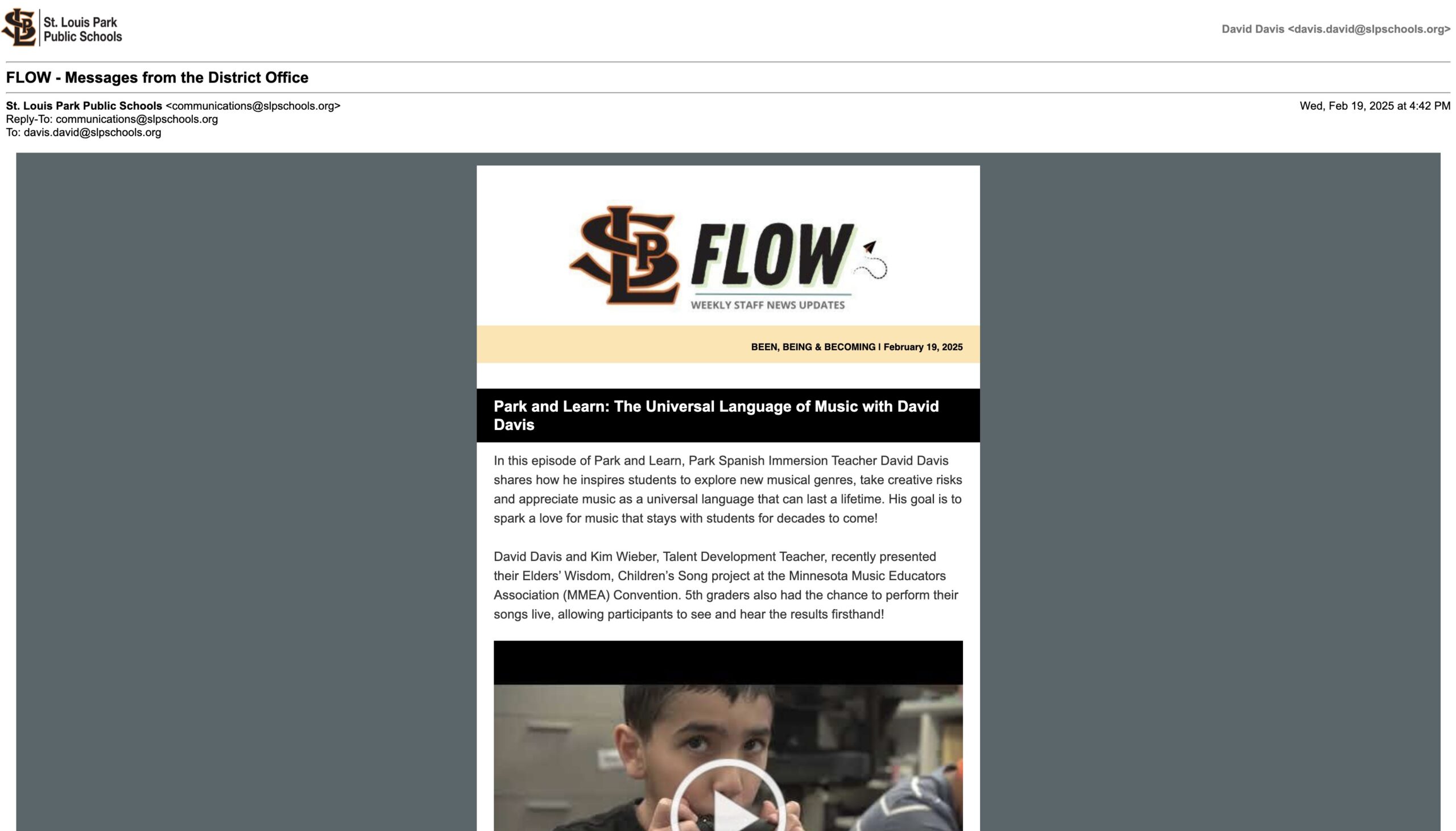
– Broader Recognition: Excitement for this project has grown beyond our school. This past year, we were invited to present Elder’s Wisdom, Children’s Song at the Minnesota Music Educators Association (MMEA) convention. With full administrative support, we organized a school bus field trip so the entire grade level could share their brilliance on a statewide stage. In June 2025, I also presented this initiative at the International Music Education Summit (IMES), further amplifying the impact and replicability of this community-centered model of music education.
Community Impact
The curricular version of Elder’s Wisdom, Children’s Song has reshaped not only how music is taught in my classroom, but how it is valued throughout our school and community. It reframes music from being solely performance-based to being recognized as a powerful vehicle for empathy, storytelling, cultural connection, and student empowerment. It has shifted the narrative from “music is for the talented few” to “music is for everyone.”
At the school level, it has become a cornerstone of our identity. Teachers across disciplines are beginning to see music not as a separate “special,” but as a connector to literacy, social studies, and social-emotional learning. Teachers from kindergarten, 1st grade, behavior specialists, and even our speech-language pathologist have inquired about interdisciplinary collaboration with the music program.
Ultimately, the project is helping to redefine what “excellence” in music education means: not as technical perfection, but meaningful participation, human connection, and student-driven creativity. That shift is not only powerful but, I believe, essential for building a more equitable and inclusive arts education.
Advice for others?
This isn’t about adding a new unit to your already full plate–it’s about reimagining the plate itself. Focus on connection over competition. Let student voice lead. Music can be more than just appreciating performances, it can embody empathy, expression, and empowerment.





Supporting Materials

Example of an Elder’s Wisdom, Children’s Song celebration:
https://www.youtube.com/watch?v=n3aCXMU7Mh8
Examples of amateur audio recordings of original student songs created to honor Elders:
https://drive.google.com/drive/folders/13fQ7IX1zexaf6J1c6iR0OLOdtQVl0x4s?usp=drive_link