
Rock On: Expanding Access to Pop/Rock Music Programs
Smiths Station High School Band Program, Smiths Station, Alabama





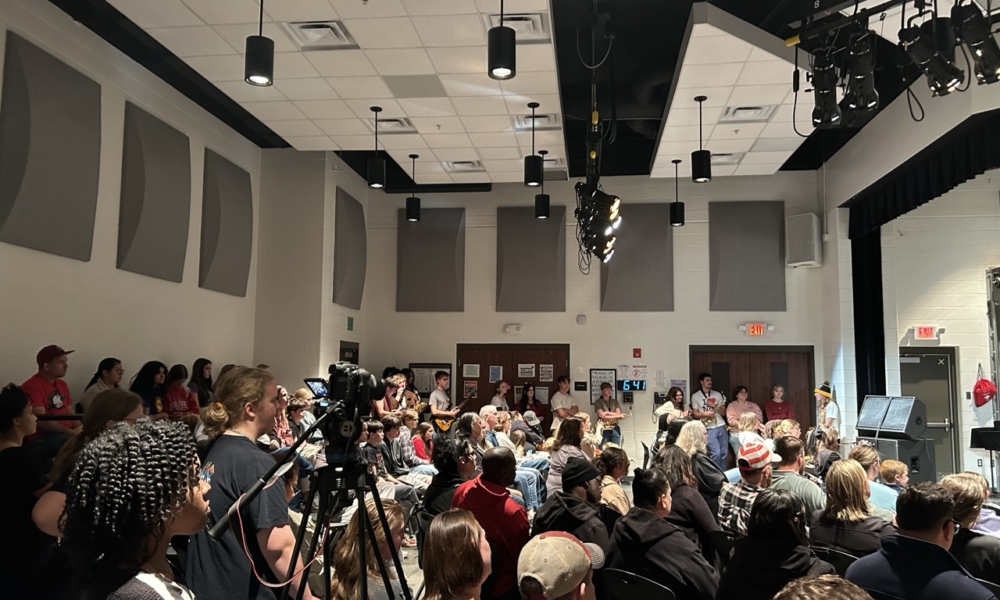
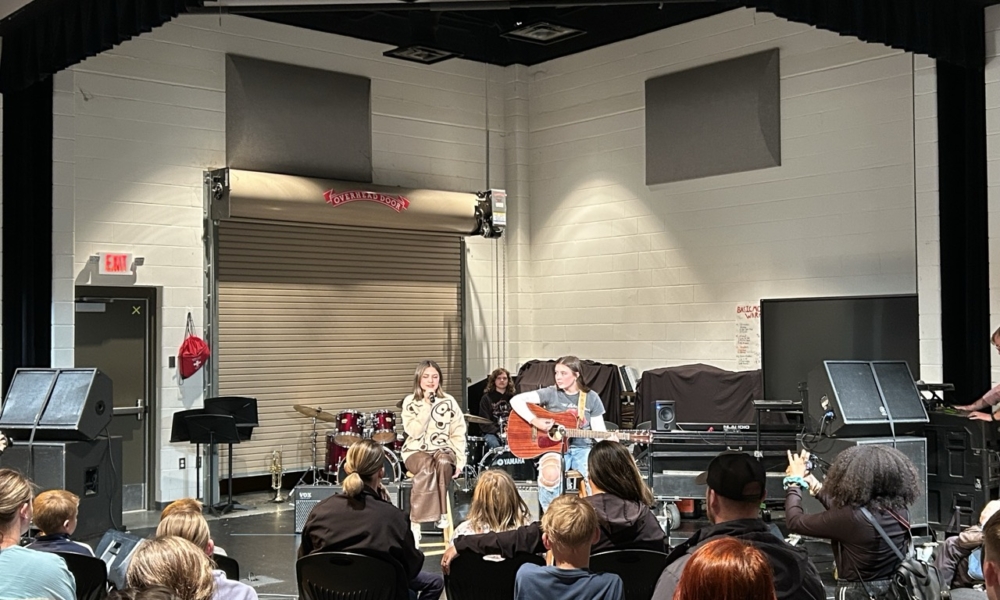

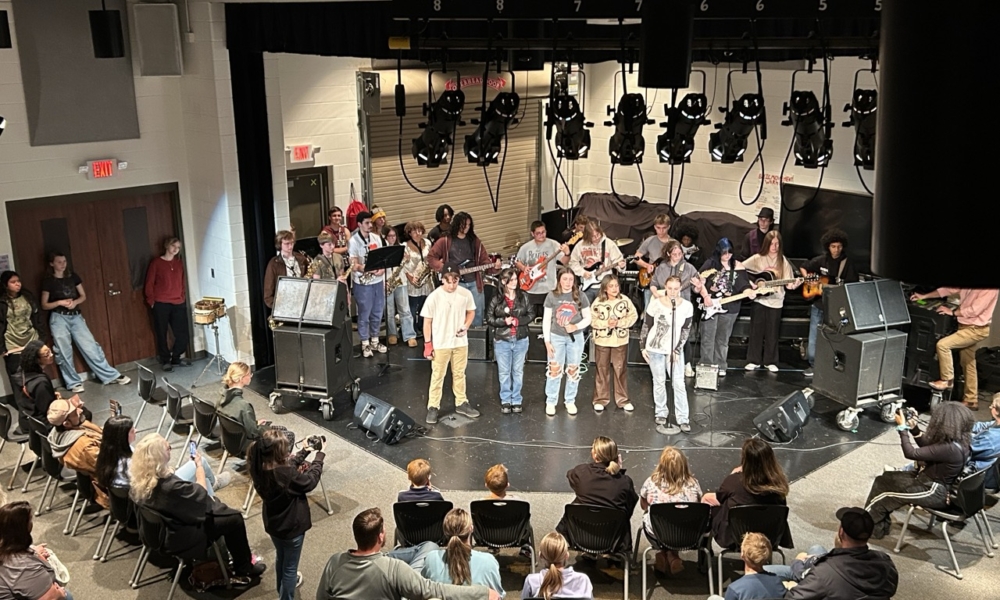
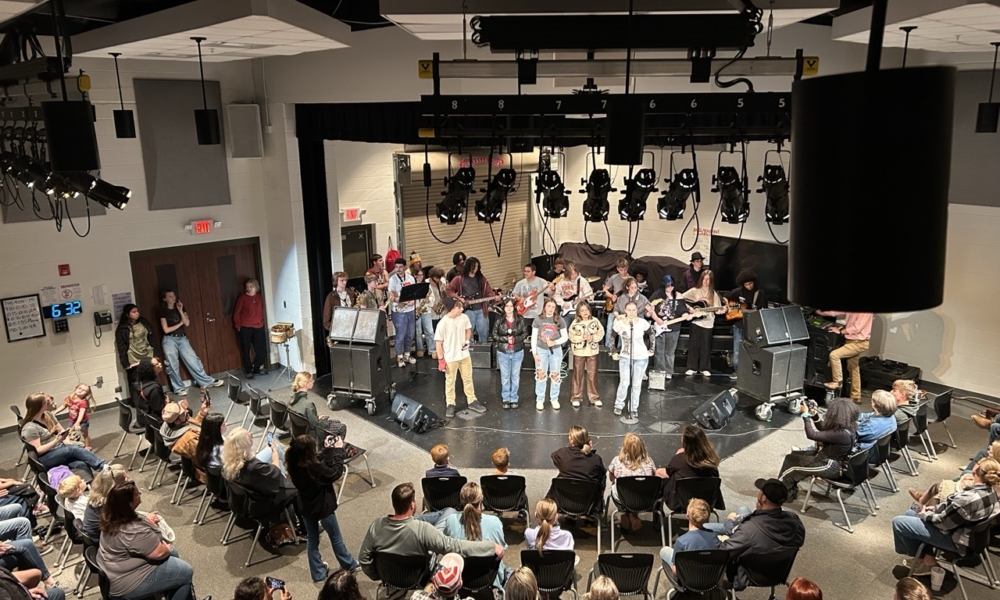
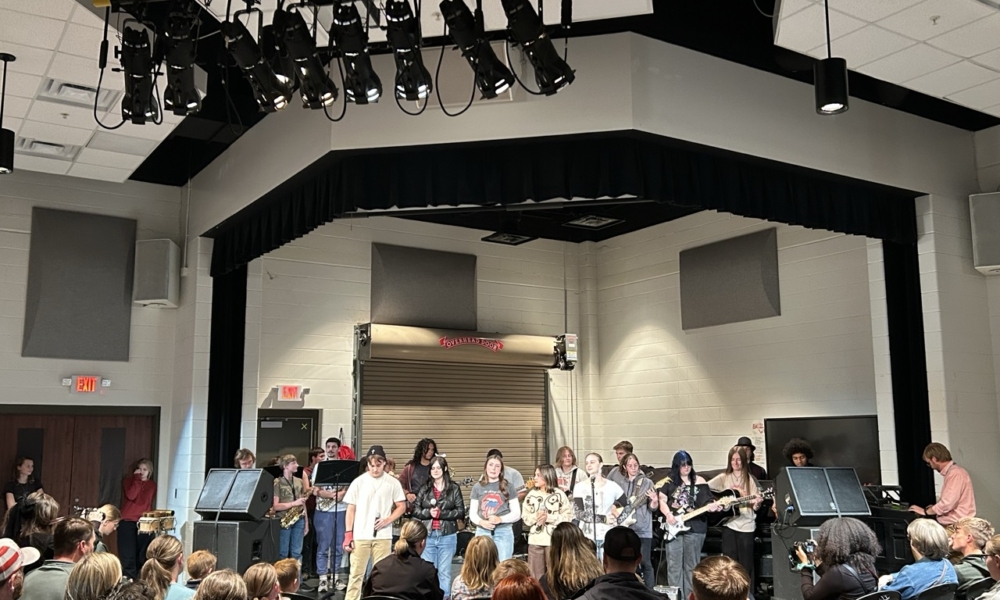
Description
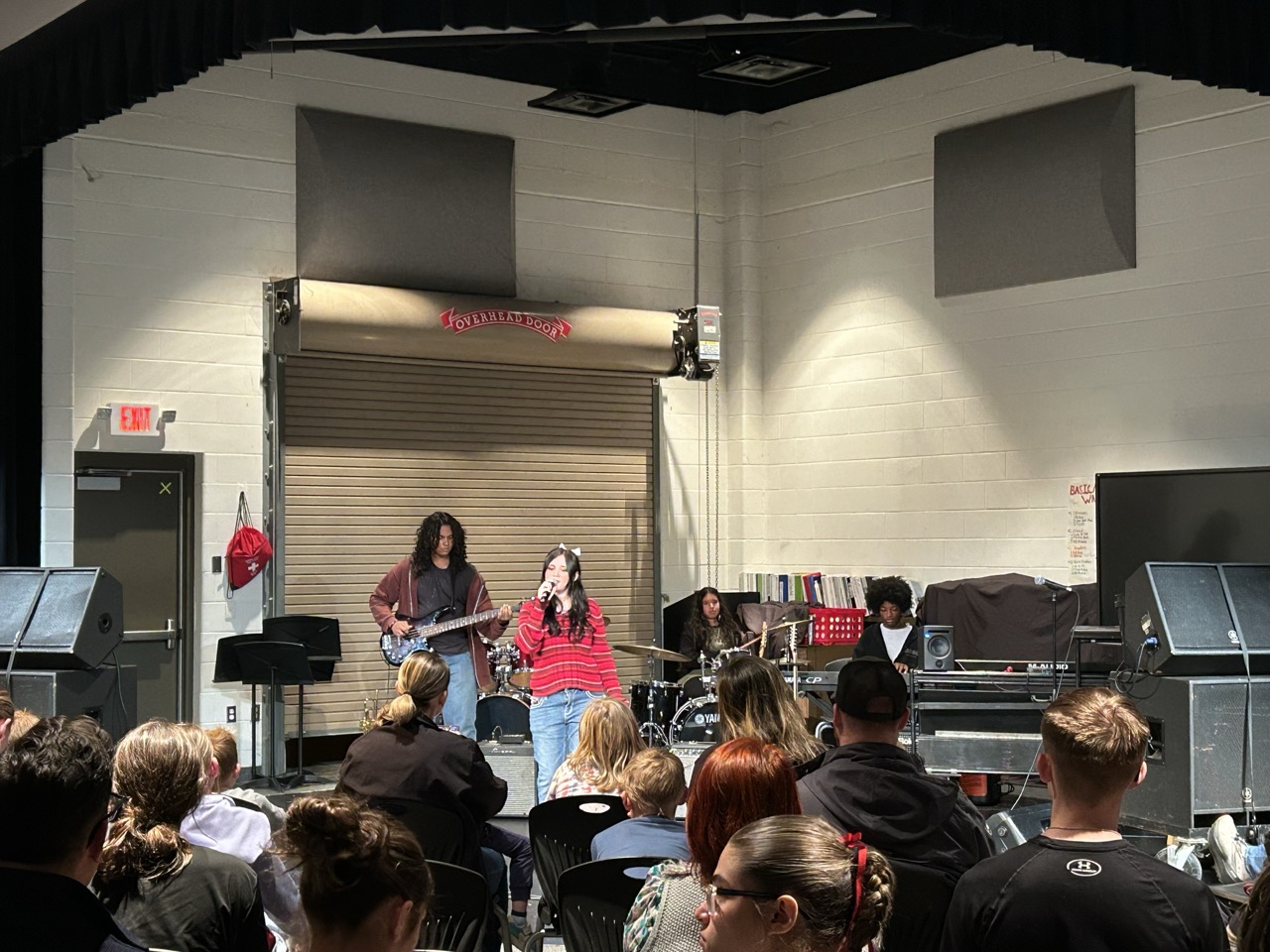
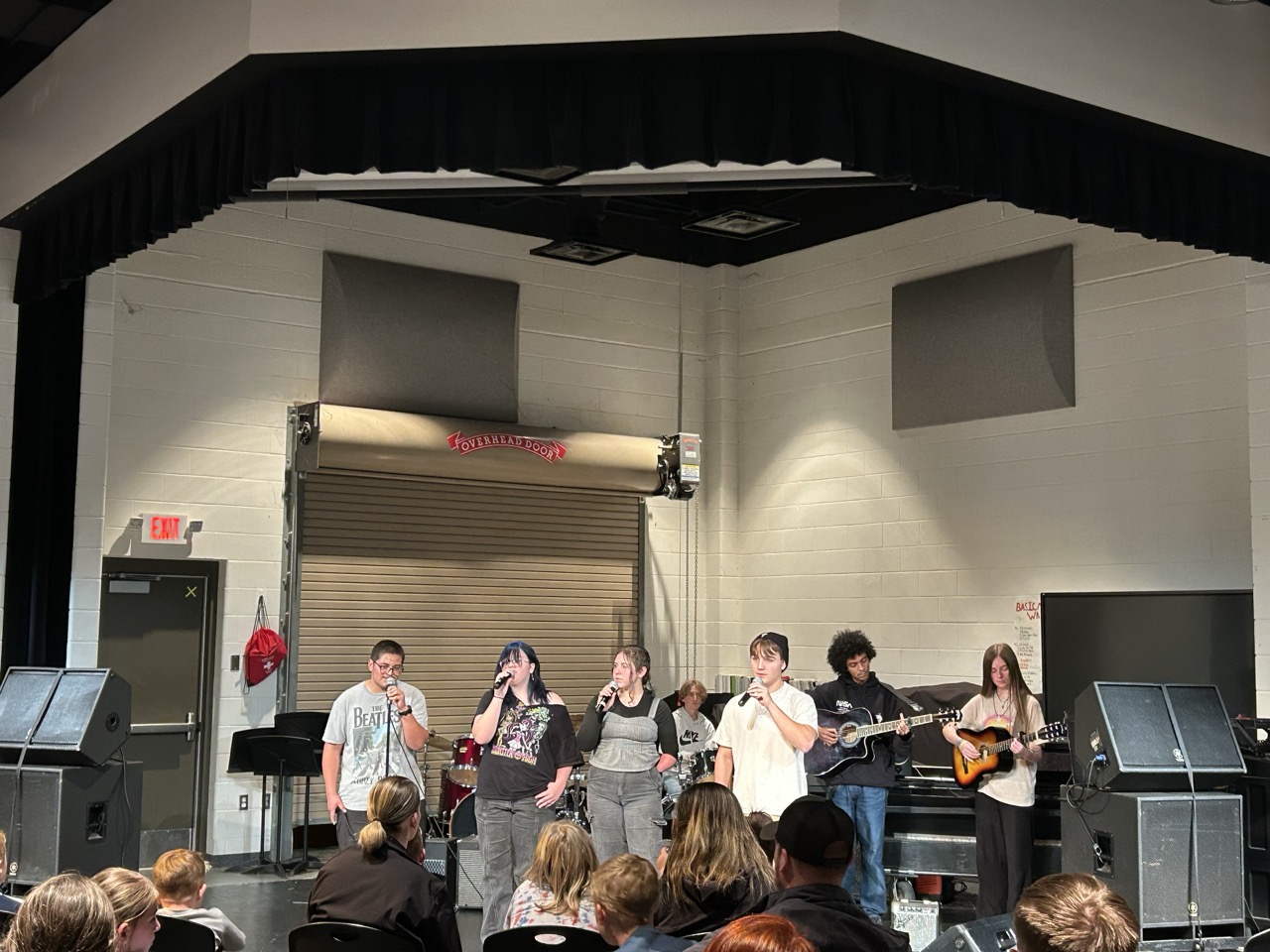
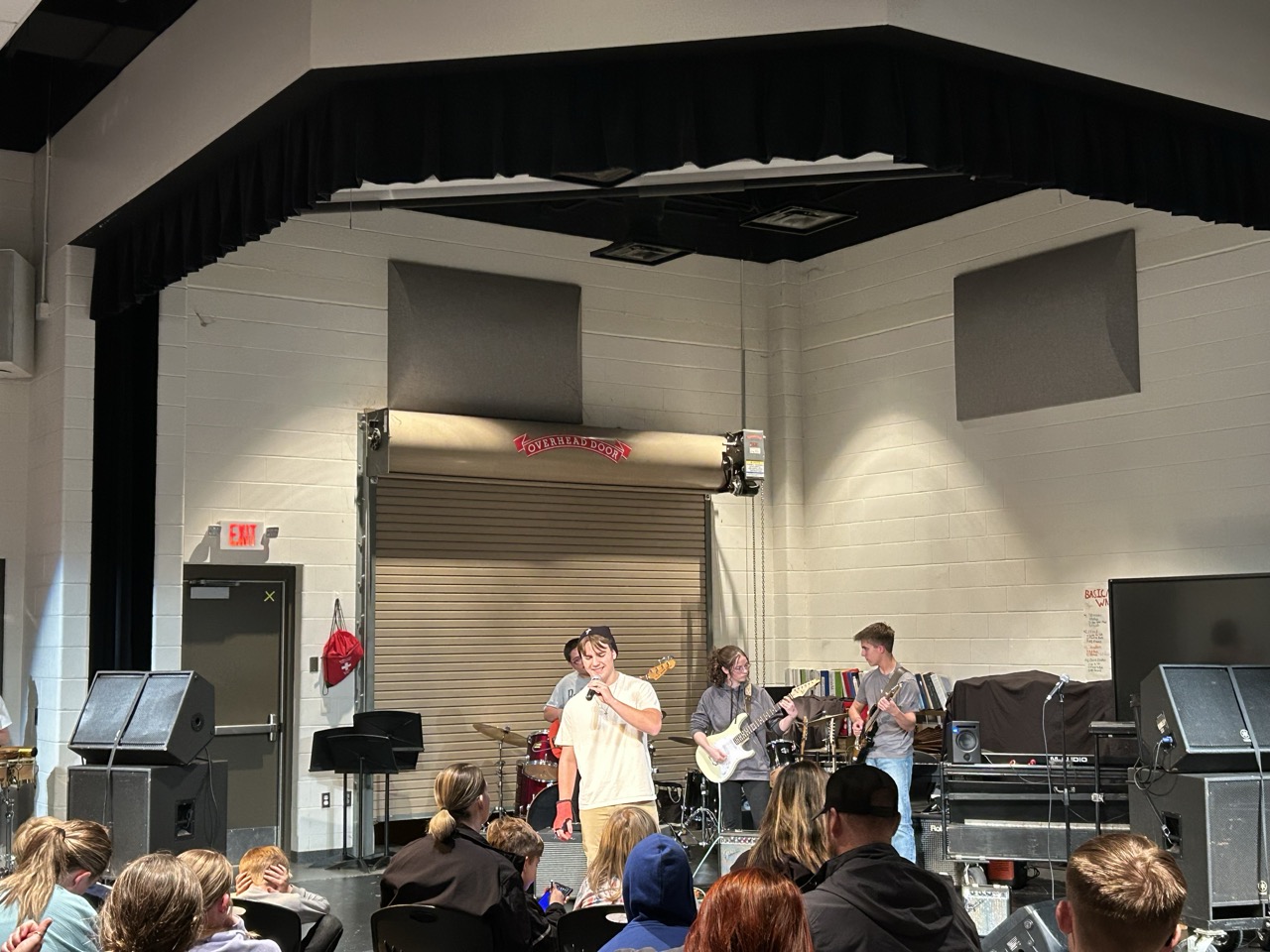
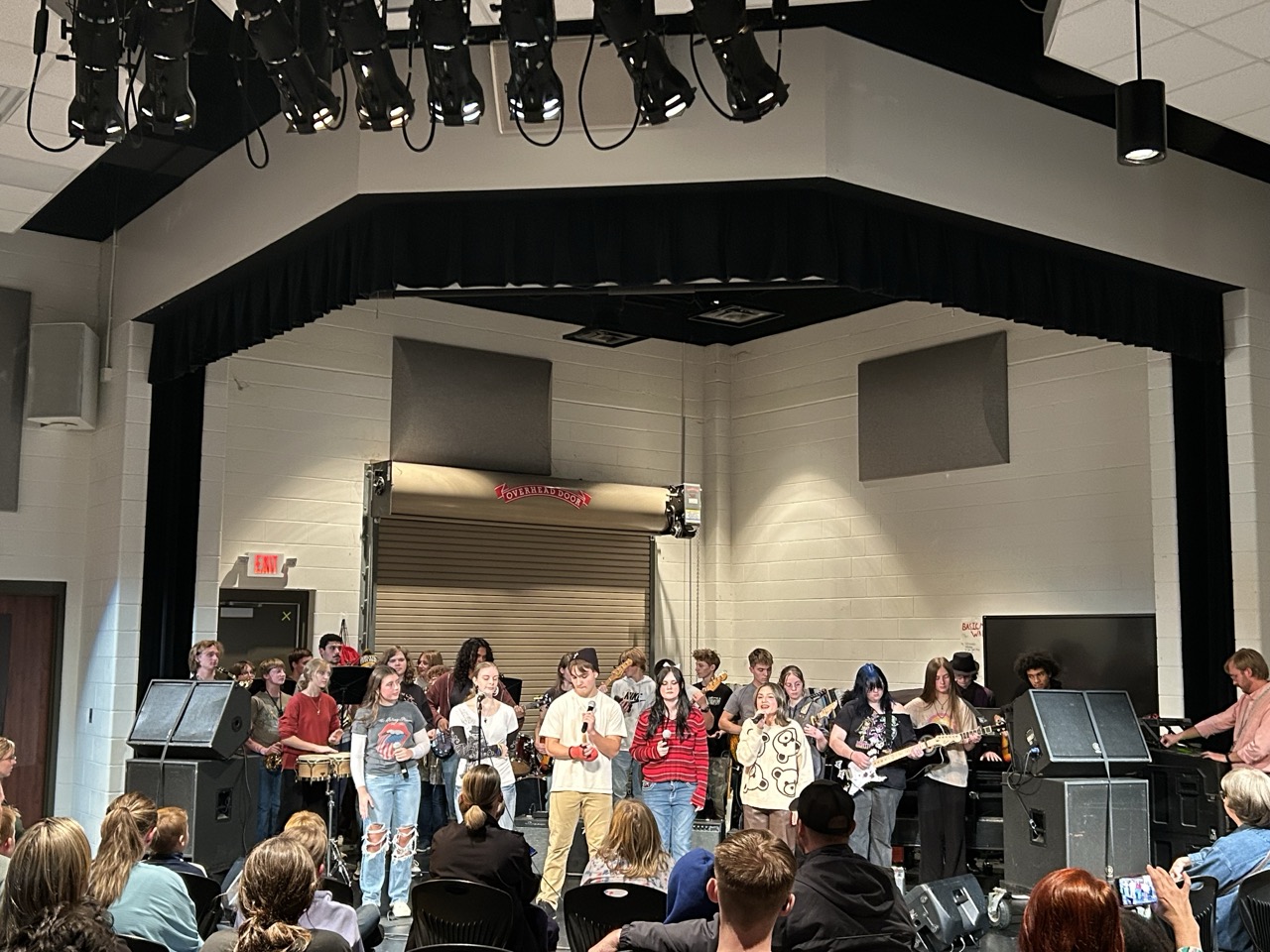
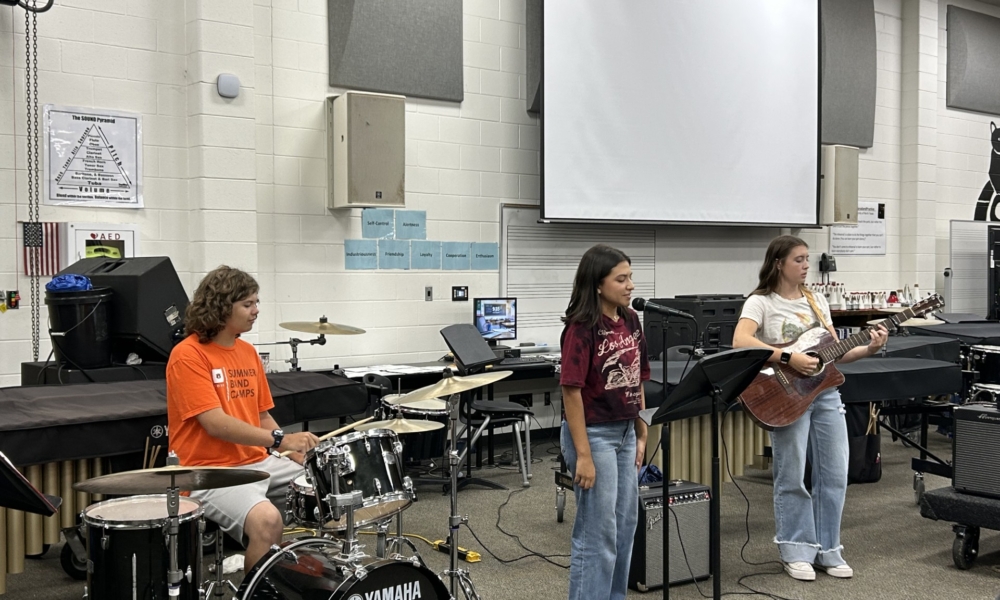
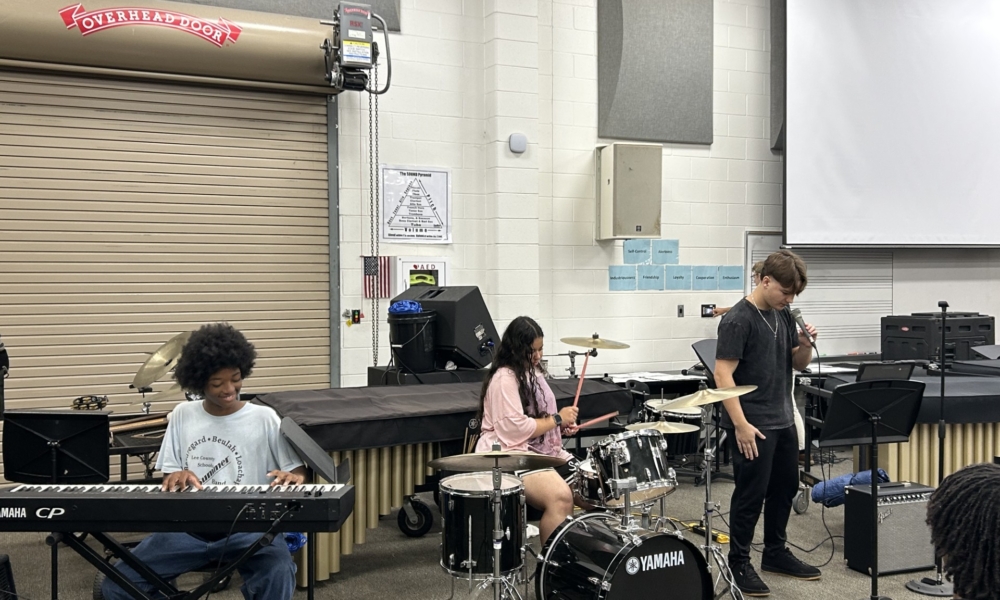
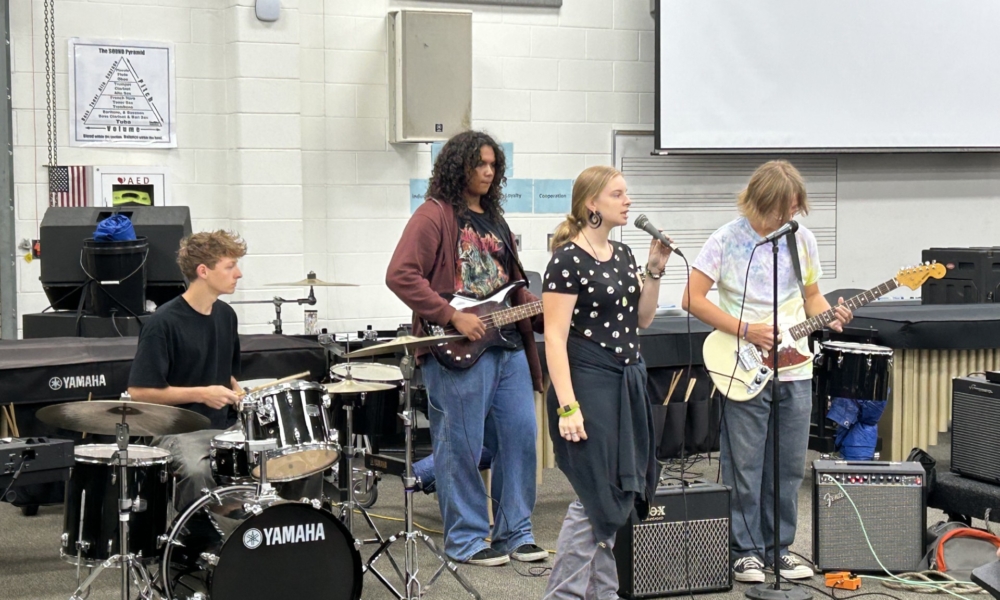
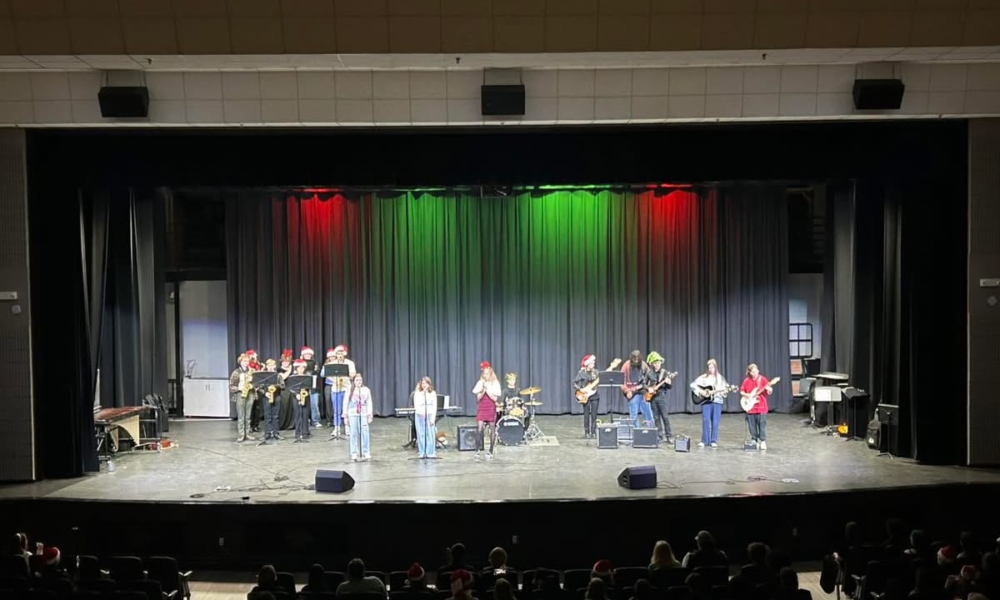
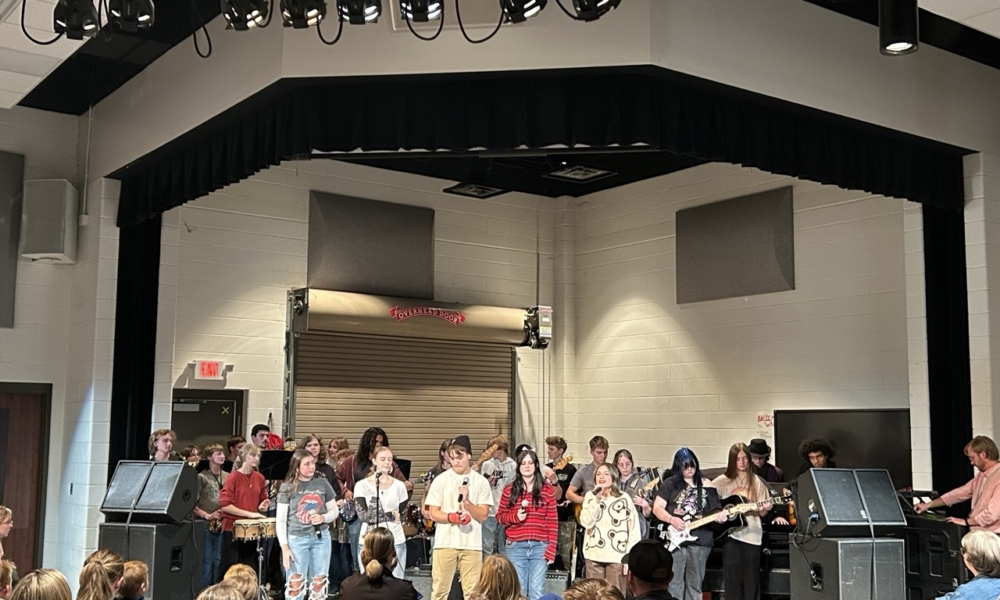
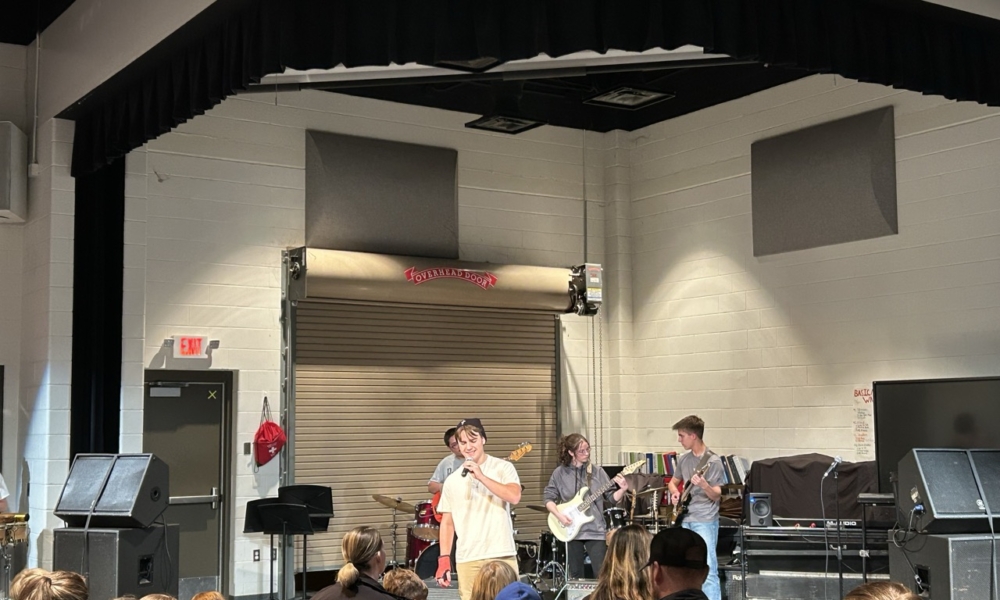
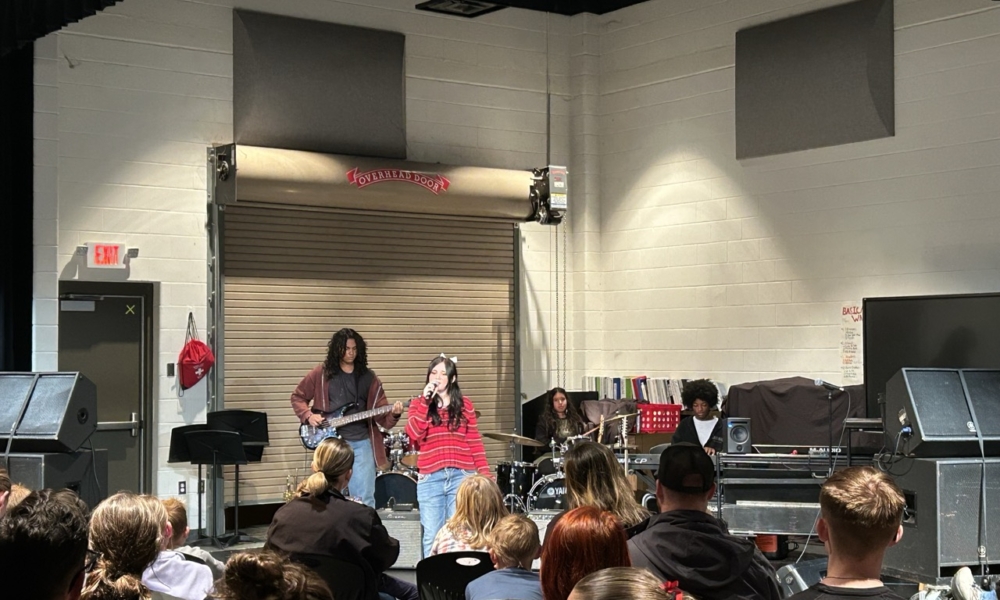
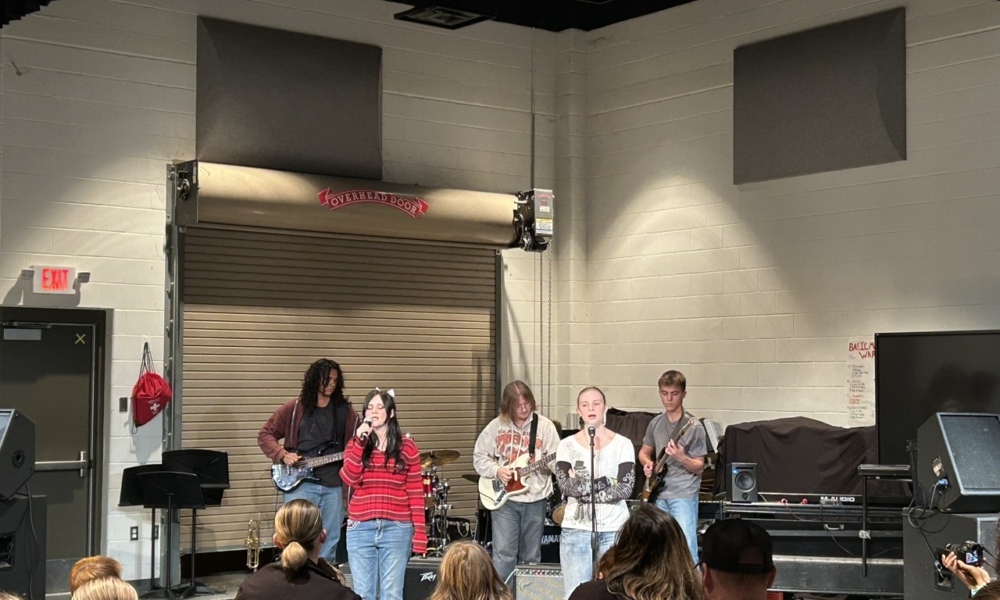
The initiative aims to expand participation in the Pop/Rock band by actively recruiting students outside the traditional band program. Through outreach, workshops, and informational sessions, students are introduced to the opportunities, skills, and community available in the ensemble. By highlighting accessibility, collaboration, and personal growth, the project fosters a welcoming environment for diverse learners. Partnerships with school staff, current band members, and community supporters ensure sustained engagement. This effort not only strengthens the music program but also promotes inclusivity, develops student leadership, and cultivates a lifelong appreciation for music, benefiting the school and local community.
Objectives
The primary objective of this advocacy initiative was to increase participation in the Pop/Rock band by intentionally recruiting students who were not already involved in traditional school band programs. Recognizing that many students may have an interest in contemporary music but feel excluded from or unaware of ensemble opportunities, the initiative sought to create accessible pathways for engagement. A key goal was to foster inclusivity, ensuring students of diverse backgrounds and skill levels could explore their musical potential in a supportive environment. Another central objective was to raise awareness about the benefits of participation in the Pop/Rock band, including skill development, collaboration, and confidence-building. By showcasing the ensemble through outreach events, demonstrations, and informational sessions, the initiative aimed to educate students, parents, and school staff on the value of contemporary music programs alongside traditional ensembles. Additionally, the project sought to cultivate leadership and community among students by encouraging peer mentorship and collaborative learning opportunities. Strengthening relationships between current band members and new recruits was also a priority, creating a welcoming culture that supports long-term engagement. Ultimately, the objectives combined growth, inclusivity, education, and community-building to ensure the Pop/Rock band could thrive while positively impacting the broader school and local community.
Target Audience
The core focus of this initiative is the students themselves, particularly those who are not currently involved in the school’s band program. Recognizing that many students possess untapped musical talent or interest in contemporary music, the project seeks to provide them with meaningful opportunities to explore and develop their abilities in a supportive environment. Every strategy and action of the initiative is designed with the students’ growth, engagement, and confidence as the top priority. Outreach efforts are centered on understanding students’ interests, motivations, and potential barriers to participation. By connecting with students directly through classroom visits, informational sessions, and interactive workshops, the initiative ensures that students are fully informed about the opportunities available in the Pop/Rock band. Current band members act as peer mentors, guiding new recruits and helping them feel welcomed, valued, and capable of contributing meaningfully. In addition to musical skill development, the initiative prioritizes students’ social and leadership growth. By participating in rehearsals, performances, and collaborative projects, students build teamwork, communication, and self-confidence. Feedback from students is continually solicited to adapt the program to their needs, ensuring their voices shape the ensemble experience. Ultimately, students are not just participants; they are the driving force of the initiative, shaping its success and sustaining a vibrant, inclusive music community.
Timeline
The advocacy initiative followed a structured timeline designed to maximize engagement and ensure measurable outcomes. The planning phase began several months prior to the start of the school year, during which the program objectives were defined, target audiences identified, and recruitment strategies developed. During this phase, collaboration with school administrators, current band directors, and student leaders was key to aligning goals and securing necessary resources. Once the school year began, the first operational step involved outreach to potential participants. Informational materials were distributed, and presentations were held during school assemblies and in individual classrooms to introduce students to the Pop/Rock band and its opportunities. Concurrently, current band members served as ambassadors, hosting demonstrations and small workshops to provide hands-on exposure to instruments and ensemble performance. Midway through the semester, the initiative will incorporate collaborative performances and social events to strengthen peer connections and reinforce community. Finally, at the conclusion of the semester, the team will conduct a review of participation data and collected feedback from students, parents, and staff. This will allow for evaluation of the initiative’s effectiveness and informed planning for future recruitment cycles.
Overview of Planning and Execution
Two co-leaders collaboratively planned and executed the advocacy initiative, sharing responsibilities equally to ensure its success. Both were actively involved in defining the program’s objectives, designing recruitment strategies, and coordinating outreach to students outside the traditional band program. They co-led informational sessions, workshops, and introductory rehearsals, providing guidance, mentorship, and support to new and prospective members. Additionally, both facilitated student engagement, monitored participation, and contributed to evaluating the initiative’s effectiveness through feedback and data collection. Their combined efforts ensured a cohesive, inclusive, and student-centered approach, with each dedicating approximately 7–9 hours per week throughout the planning and implementation phases.
Tools and Resources
The advocacy initiative began with minimal materials, relying primarily on the enthusiasm and dedication of the organizers and participating students. Initially, there were no instruments or equipment provided by the program, so students themselves brought their own instruments to participate. This approach highlighted the importance of student commitment while also creating a foundation for equitable access as the program developed. Recognizing the need for additional resources, the initiative focused on securing essential items such as amplifiers, microphones, music stands, sheet music, and other equipment necessary for effective rehearsals and performances. In addition to physical tools, the initiative leveraged a variety of informational and organizational resources. These included classroom presentations, handouts, and digital materials designed to educate students about the Pop/Rock band, its opportunities, and the skills they would develop. Scheduling and communication tools were also critical, allowing organizers to coordinate rehearsals, workshops, and performances while maintaining regular contact with students and parents. Peer mentorship from current band members served as a vital resource, providing guidance, encouragement, and hands-on support for new recruits. Together, these resources, both material and human, created a structured, supportive environment that allowed students outside the traditional band program to engage meaningfully, develop their skills, and fully participate in the ensemble, even as the program continues to grow and expand its resource base.
Marketing and Promotion
To effectively market and promote the advocacy initiative, multiple strategies were employed to reach students outside the traditional band program. A primary tool was the Panther News Network, the school’s broadcasting team, which provided a dynamic platform to showcase the Pop/Rock band’s opportunities. Through on-air announcements, interviews with current band members, and video demonstrations of rehearsals and performances, the initiative was able to capture student interest and communicate the excitement and inclusivity of the program. This approach allowed students to see their peers actively engaged in the band, making the experience more relatable and encouraging participation. In addition to broadcast media, physical flyers were strategically placed throughout the school, including hallways, classrooms, and common areas. These flyers highlighted key information such as rehearsal schedules, instrument requirements, and upcoming events, serving as constant visual reminders for students to consider joining. The combination of multimedia promotion and tangible materials ensured that messaging reached students through multiple channels, reinforcing awareness and interest. These marketing strategies had a measurable positive impact, increasing inquiries, attendance at informational sessions, and participation in trial rehearsals. By leveraging both technology and traditional communication methods, the initiative successfully expanded visibility, engaged new students, and fostered a culture of excitement and inclusion around the Pop/Rock band.
Costs
The advocacy initiative began with minimal resources, relying heavily on students to provide their own instruments and accessories, including guitars, basses, keyboards, drumsticks, and other essential items. To support group rehearsals and enhance the ensemble experience, the program allocated funds for several key purchases. Tuners were purchased at a total of $250 to ensure instruments could be properly maintained, while a set of ten pieces of sheet music, totaling $200, provided repertoire for rehearsals and performances. A second drum set was acquired for $450 to accommodate multiple percussionists during rehearsals and performances, and two small practice amplifiers, totaling $300, were purchased to support student guitar and bass players. Additional miscellaneous supplies, including music stands, cables, and replacement strings, were budgeted at $200. This strategic allocation of $1,400 ensures that students have access to the necessary tools to fully engage in the Pop/Rock band, while minimizing costs by leveraging student-provided instruments. All purchased items are durable and reusable for future school years, supporting the sustainability of the initiative. By combining student contributions with targeted investments, the program maximizes resources while fostering student ownership and participation.
Challenges/Obstacles
The advocacy initiative faced several significant challenges during its planning and implementation phases, the most notable being that neither band director had prior experience with a Pop/Rock band. While both Dr. Gene Butler and Kevin Wright have extensive expertise in traditional band programs, developing a contemporary ensemble required navigating unfamiliar territory, including repertoire selection, arranging music for nontraditional instrumentation, and creating rehearsal techniques suited to pop and rock styles. To overcome this, the directors engaged in professional research, including reviewing contemporary ensemble arrangements, consulting with colleagues experienced in pop/rock ensembles, and observing similar programs in neighboring districts. They also relied on the creativity and input of current students, allowing peer mentorship and collaborative problem-solving to guide ensemble development. This student-driven approach not only addressed the directors’ learning curve but also empowered students to take ownership of their musical growth and ensemble culture. Another major challenge was funding. The program initially had minimal financial resources, which limited the ability to purchase instruments, amplifiers, sheet music, and other essential materials. To address this obstacle, the initiative leveraged student-provided instruments and accessories while prioritizing purchases that would have the greatest impact, such as tuners, a second drum set, and sheet music. Organizers also sought support from school administration and community partners to secure additional resources where possible. By combining resourcefulness, collaborative learning, and strategic investments, the initiative overcame these challenges and successfully launched a student-centered Pop/Rock band program that continues to grow and engage participants.
Success/Effectiveness Measurement
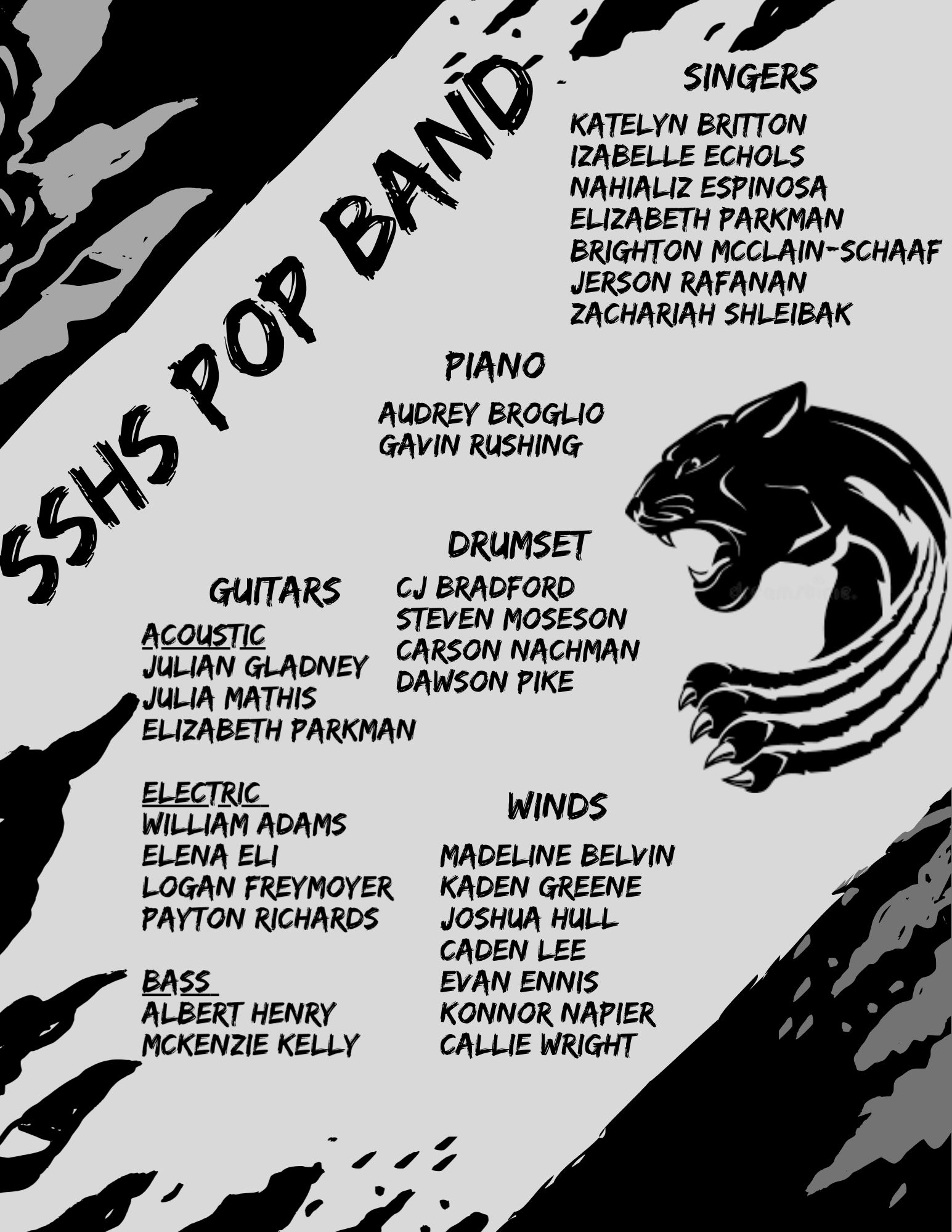
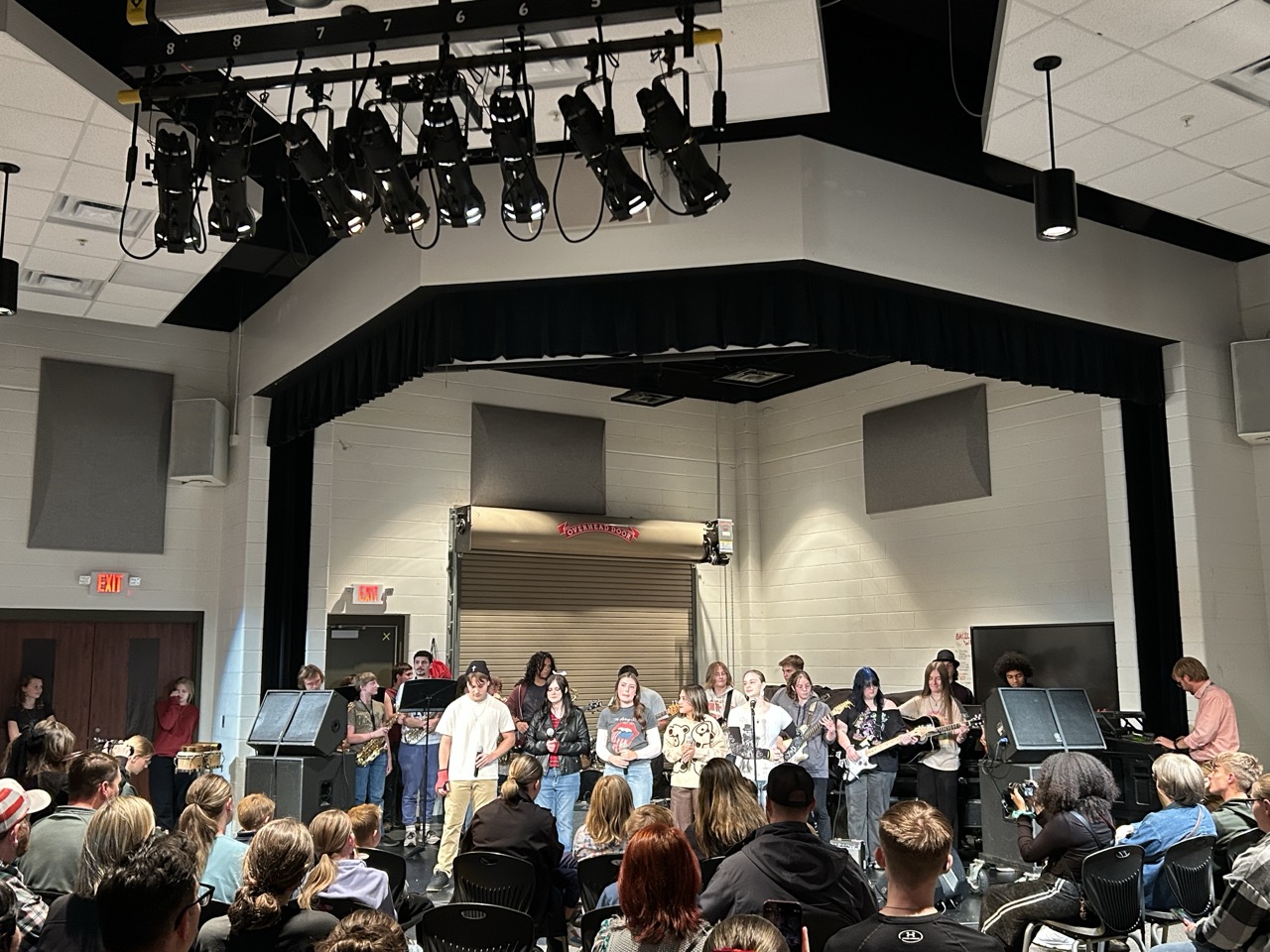
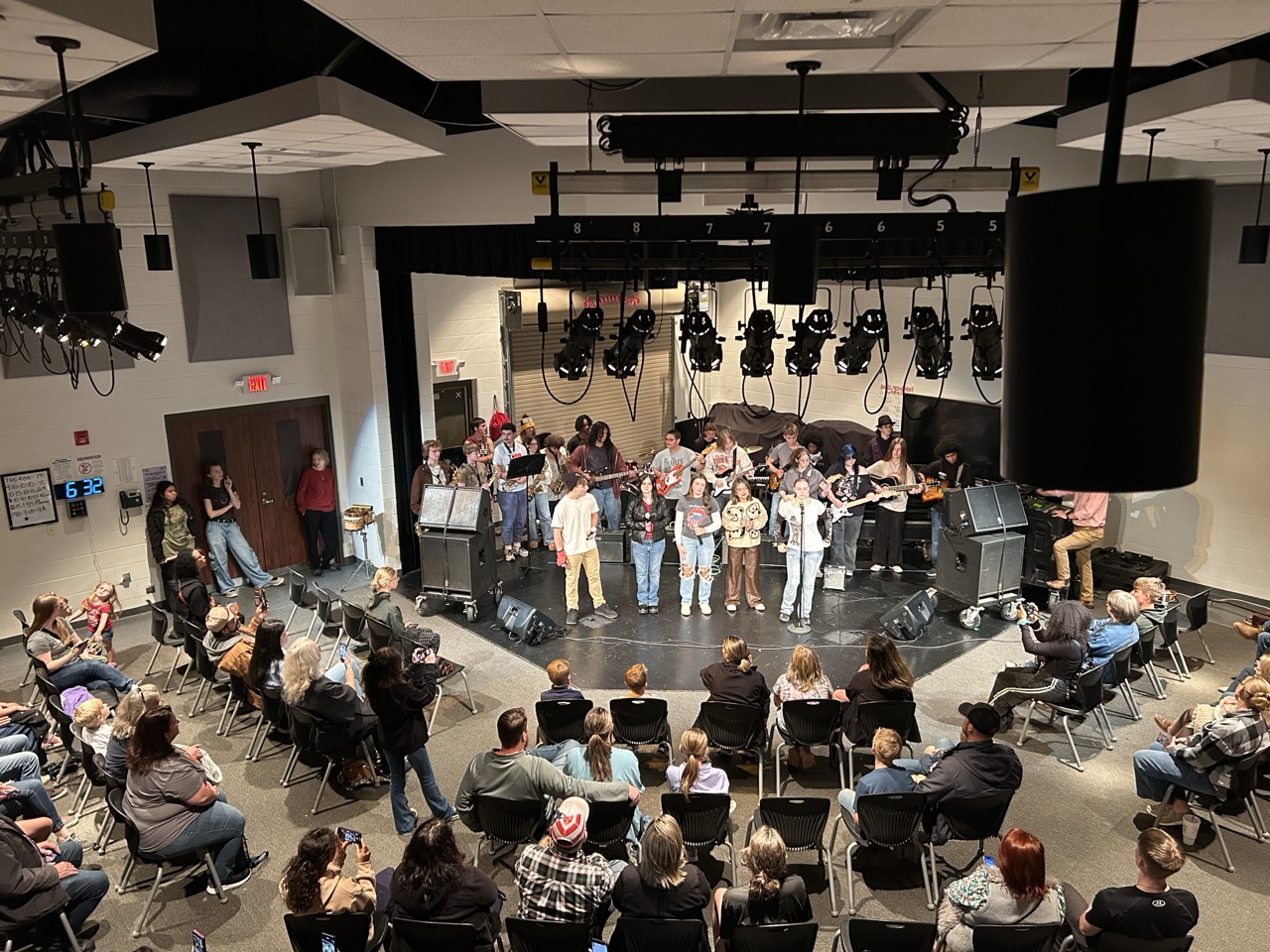
The advocacy initiative was highly effective in achieving its primary goal of recruiting students outside the traditional band program into the Pop/Rock ensemble. Effectiveness was measured through multiple quantitative and qualitative data points. Initially, student interest was assessed through sign-ups for informational sessions and trial rehearsals. These early indicators showed a strong response, with a larger-than-expected number of students attending introductory events, demonstrating curiosity and engagement. Actual participation data provided further evidence of success. By the conclusion of the first semester, the initiative had successfully recruited a diverse group of students who had not previously participated in school band, resulting in increased overall ensemble membership and more balanced instrumentation. Attendance at rehearsals and student retention rates were consistently high, indicating that the program created a welcoming and engaging environment for new members. Qualitative data also support the initiative’s effectiveness. Feedback from students, parents, and current band members highlighted increased enthusiasm for contemporary music, stronger peer relationships, and growth in confidence and musicianship. Teachers reported improved collaboration skills and greater student involvement in school music culture. Overall, the combination of participation metrics, retention rates, and positive feedback demonstrates that the initiative not only expanded access to the Pop/Rock band but also fostered a supportive, student-centered environment. These data points confirm that the advocacy efforts successfully achieved their objectives while providing a sustainable model for continued recruitment and growth.
Parent Testimonial:
“Having my daughter participate in Pop Band has been such an amazing opportunity. As a dual-sport athlete, she hadn’t spent much time in music or band classes during her high school years. Being part of this class has opened her musical horizons and taught her so much, but what has impressed me most is the growth in her confidence as both a player and a singer. She was once shy; now she feels like she truly belongs on stage.
She is so blessed to have access to this level of instruction during the school day. It has been an unmatched experience for her, and we are incredibly thankful that Pop Band is part of her high school journey.”
Community Impact
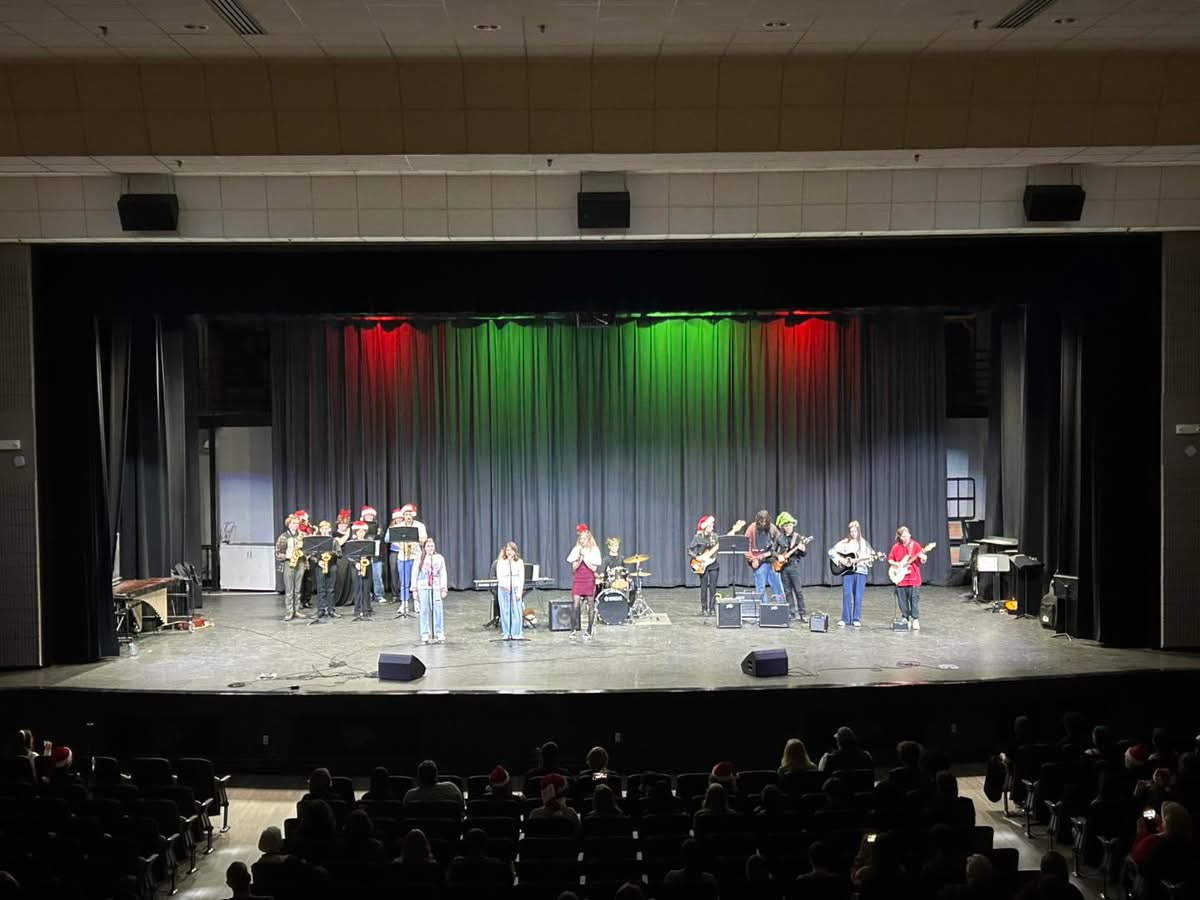
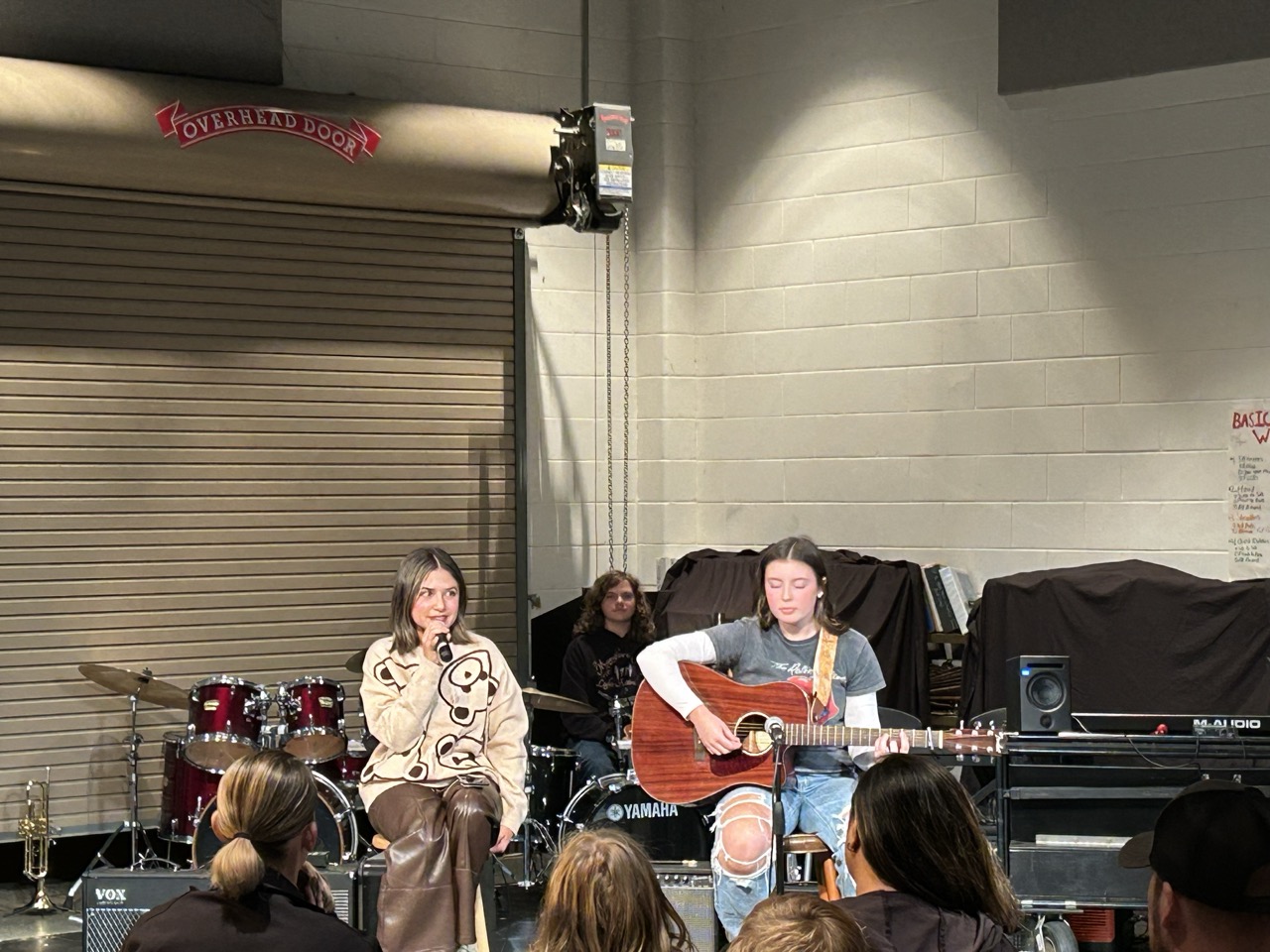
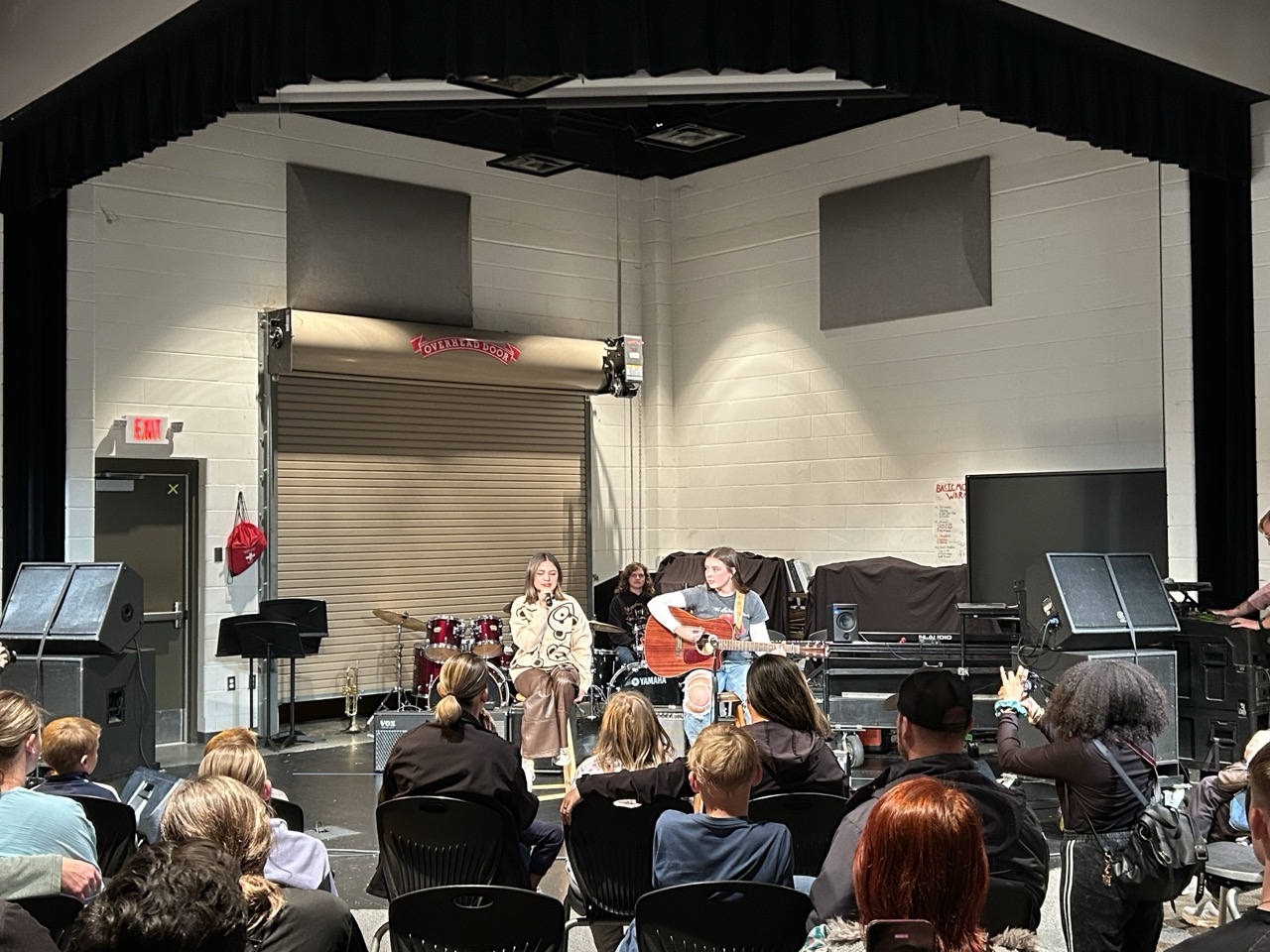
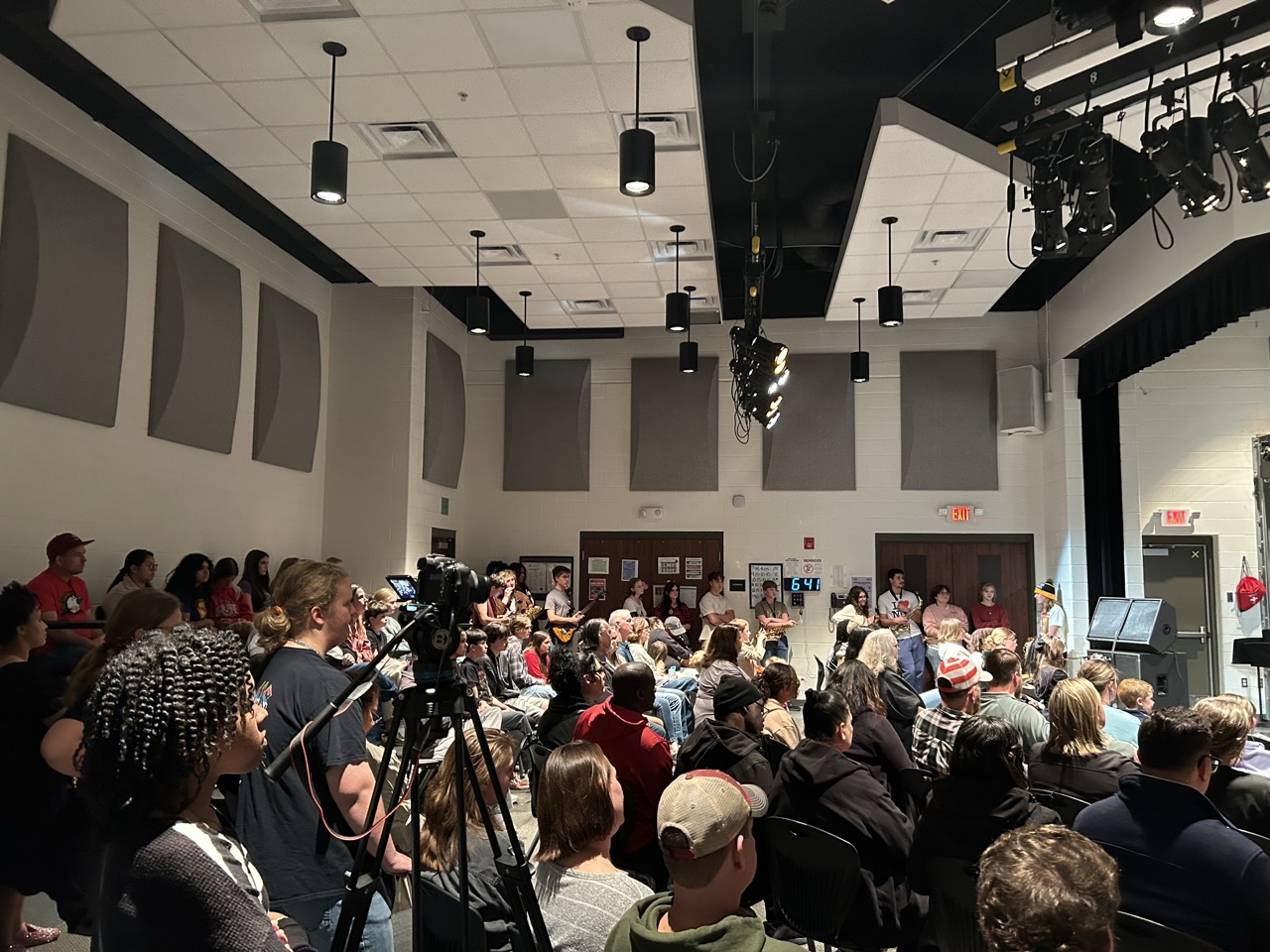
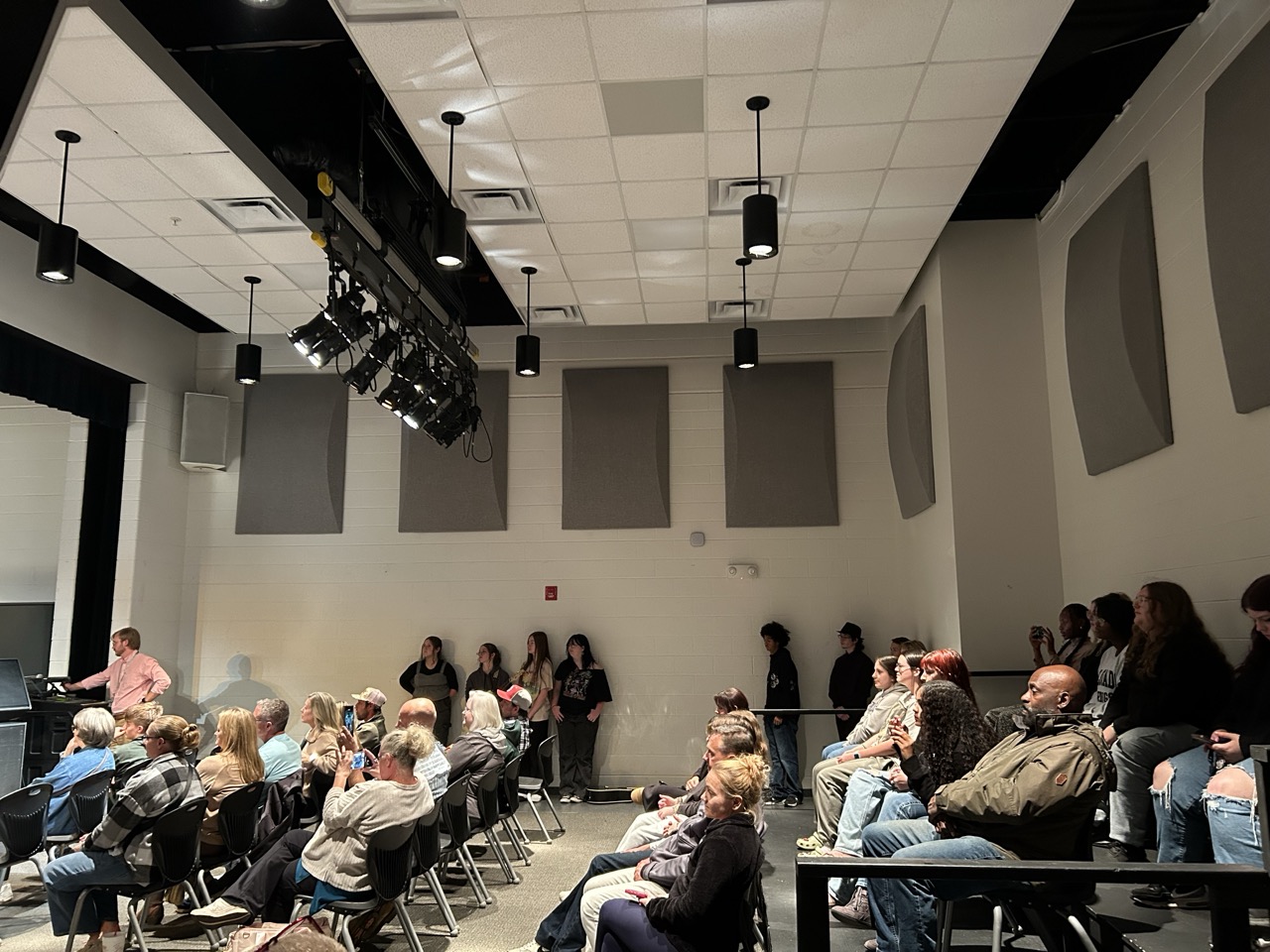
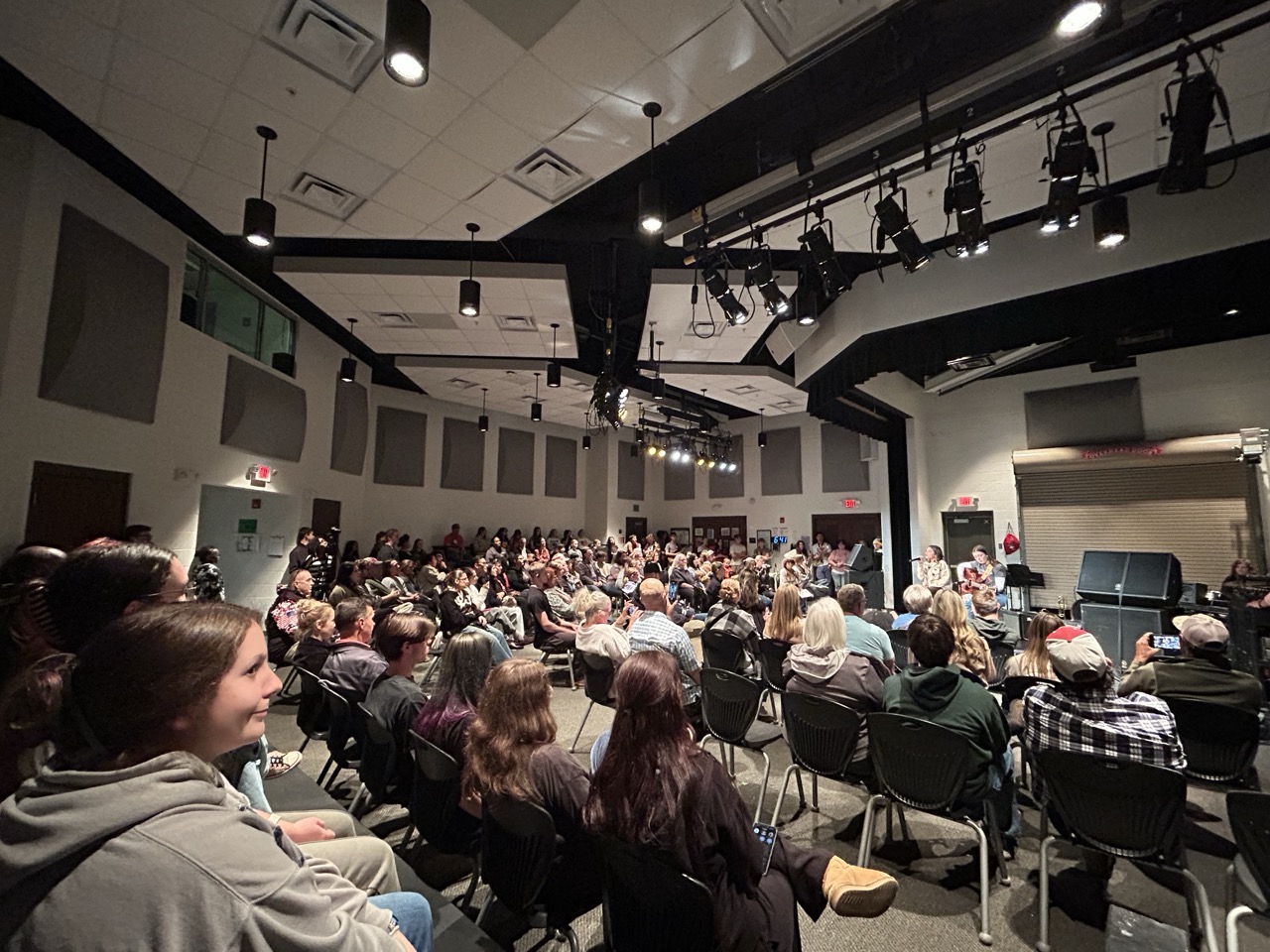
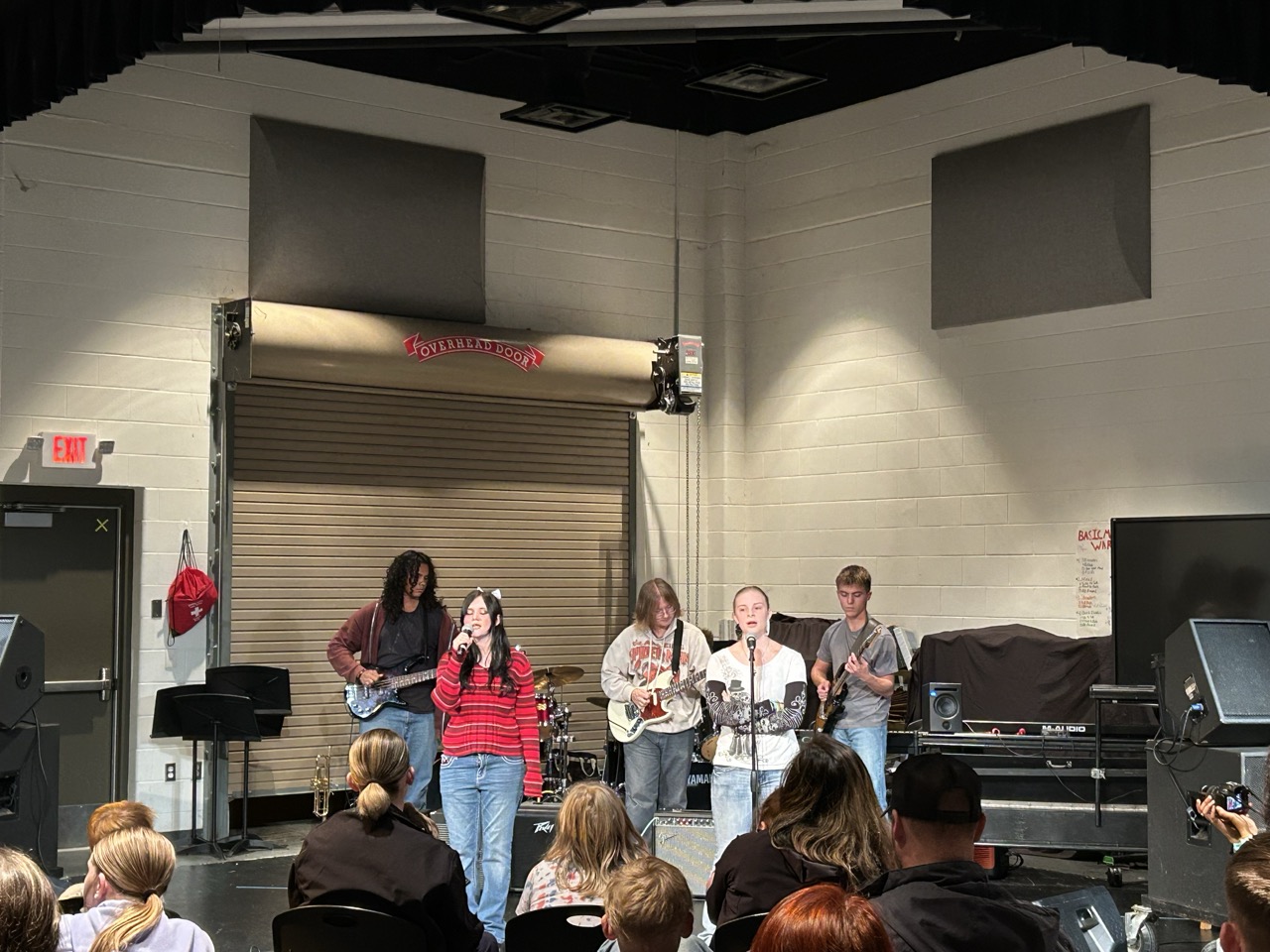
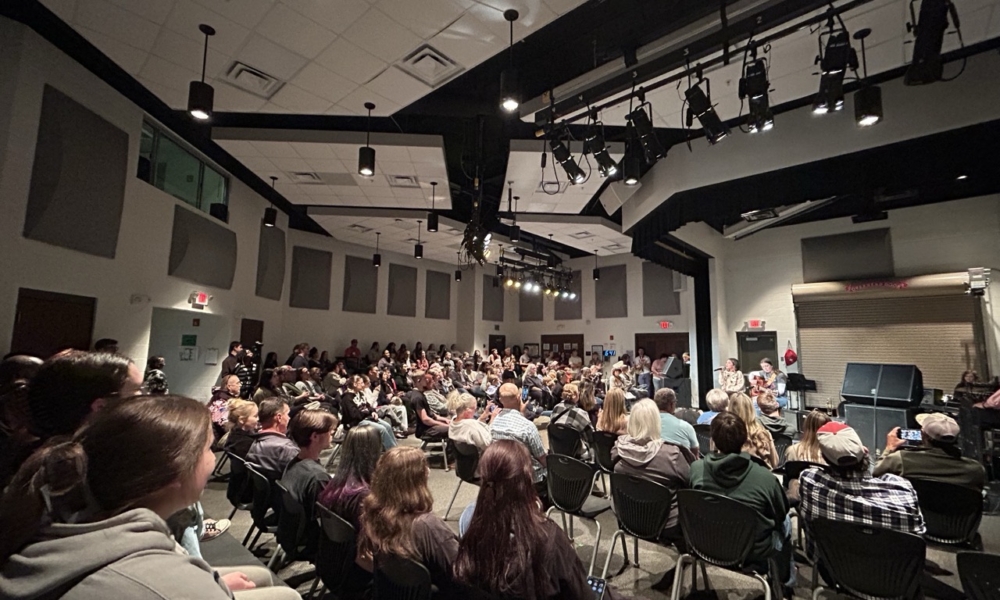
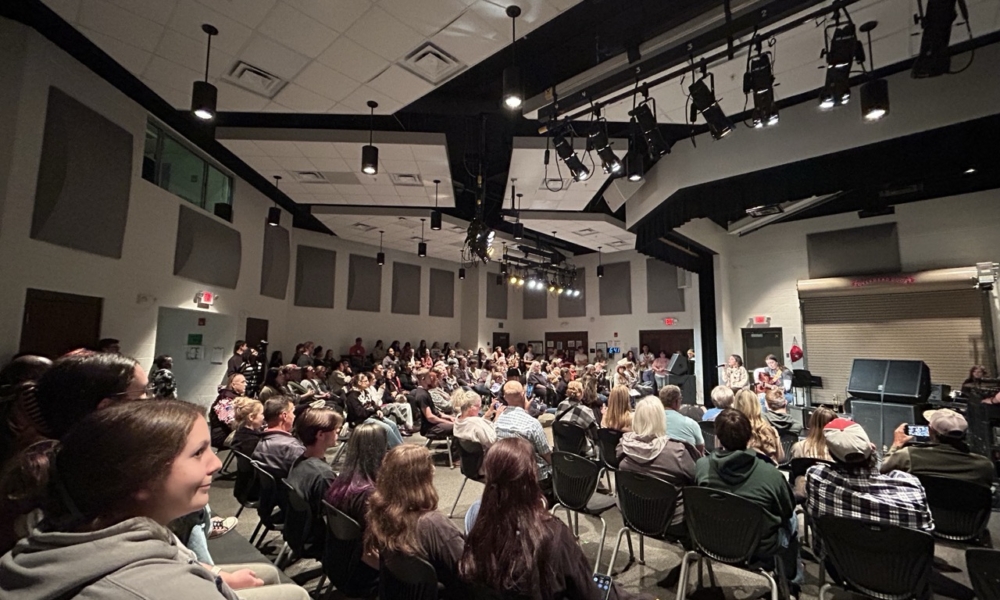
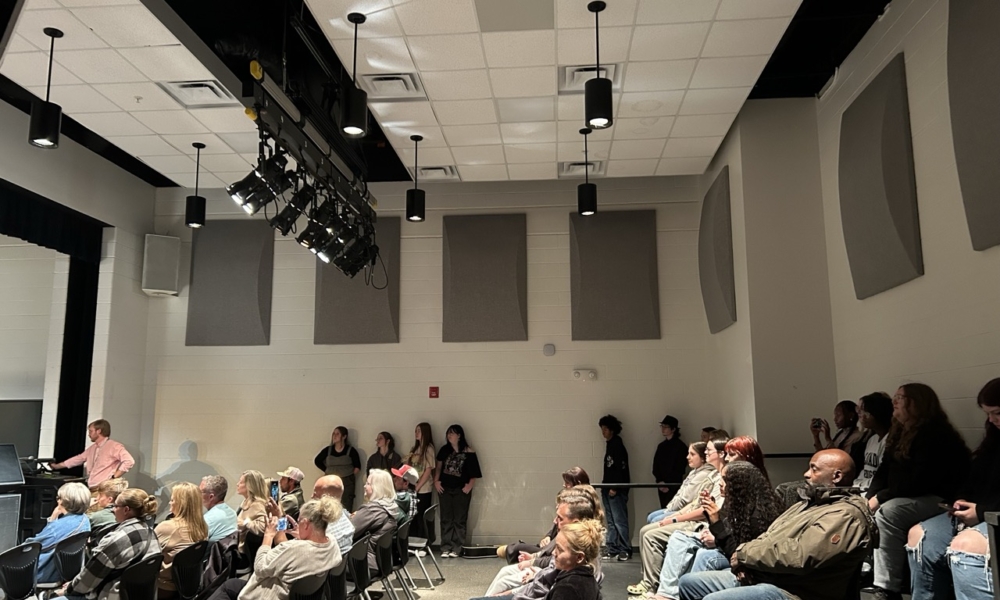
The advocacy initiative positively impacted the music program, school, and local community by expanding access to music education and fostering a more inclusive, student-centered environment. By recruiting students outside the traditional band program into the Pop/Rock ensemble, the initiative increased overall participation, diversified instrumentation, and strengthened the school’s music offerings. Students who had not previously been involved in school music now had a meaningful opportunity to develop technical skills, collaborate with peers, and experience the personal and social benefits of ensemble participation. Within the school, the initiative helped create a culture of engagement and excitement around contemporary music. Students across all secondary attendance zones were able to connect through shared rehearsals, workshops, and performances, promoting collaboration and building stronger peer relationships. The visibility of the Pop/Rock band through concerts, school broadcasts, and outreach events also highlighted the value of music education to the broader student body, inspiring interest and involvement in the arts. The program’s impact extended beyond the school to the local community. Performances at community events, open rehearsals, and public showcases provided opportunities for students to contribute meaningfully to the cultural life of the area while developing leadership and teamwork skills. Families and community members expressed appreciation for the accessibility and quality of the program, reinforcing community support for school music initiatives. Overall, the initiative not only strengthened the Pop/Rock band but also enhanced the school’s music culture, promoted inclusivity, and provided lasting benefits to students and the wider community, establishing a model for continued growth and engagement.
Advice for others?
The initiative successfully recruited students outside the band, fostering inclusivity, skill development, and collaboration, while using creative outreach, student-provided instruments, and community engagement to strengthen the Pop/Rock program and inspire long-term participation.