

From the First Note: Celebrating Young Musicians, Building Lasting Support
Donald E. Schick Elementary Bands, Montoursville, Pennsylvania



Description
The Schick Elementary Band’s advocacy initiative is a comprehensive, multi-year performance series designed to engage students, educate audiences, and highlight beginning band through immersive and meaningful performance experiences. Rooted in the belief that visibility, support, and celebration are essential to sustaining robust music programs, this initiative offers students diverse opportunities to perform in a variety of settings, collaborate with professionals in the field, and demonstrate their learning to the local community. By inviting stakeholders into the process—not just the product—this initiative fosters a culture of musical growth, community pride, and long-term investment in arts education.
Objectives
- Inspire STUDENT engagement and retention by offering developmentally appropriate, frequent, and celebratory performance opportunities that honor early progress and motivate continued musical growth.
- Educate and involve the COMMUNITY through transparent, interactive concert formats and stakeholder events that illuminate the beginner musician’s journey and foster lasting support.
- Elevate PROGRAM visibility and presence by participating in high-profile, community-centered performances and interdisciplinary learning opportunities that showcase young musicians as vital contributors to the district’s cultural identity.
- Advocate for sustained ADMINISTRATIVE support by demonstrating program impact in public forums, reframing the beginner experience as essential to a thriving, district-wide music ecosystem.
Target Audience
This initiative centers on students, who are the primary beneficiaries of developmentally appropriate, engaging performance experiences that build confidence, creativity, and musical identity—keys to long-term participation and retention. Families and caregivers are also prioritized as essential partners in advocacy; by helping them understand the learning process through interactive and informative concert formats, they become empowered supporters of their child’s growth and the music program at large.
Administrators and school board members were a deliberate focus because their sustained investment and policy decisions directly shape the future of elementary music. Regular, visible engagement—such as the “State of the Union” presentation and districtwide concerts—ensures they witness the program’s impact firsthand.
The broader school community was also included to build a culture of pride and collective ownership of the arts. Events like the school-wide sing-a-long and student-led initiatives foster a sense of belonging and cross-grade connection. Community members were engaged through public, accessible performances like Spooktacular and Extravabandza, reinforcing the value of early music education and inviting external advocacy. These diverse audiences were selected strategically to promote a holistic, sustainable ecosystem of support for elementary instrumental music—where every stakeholder plays an active role in student success.
Timeline
This initiative began as a creative response to the limited performance opportunities during the pandemic. It has since evolved into a cornerstone of the program’s identity—an intentional advocacy framework designed to build a culture of musical excellence and community pride from the very first sounds.
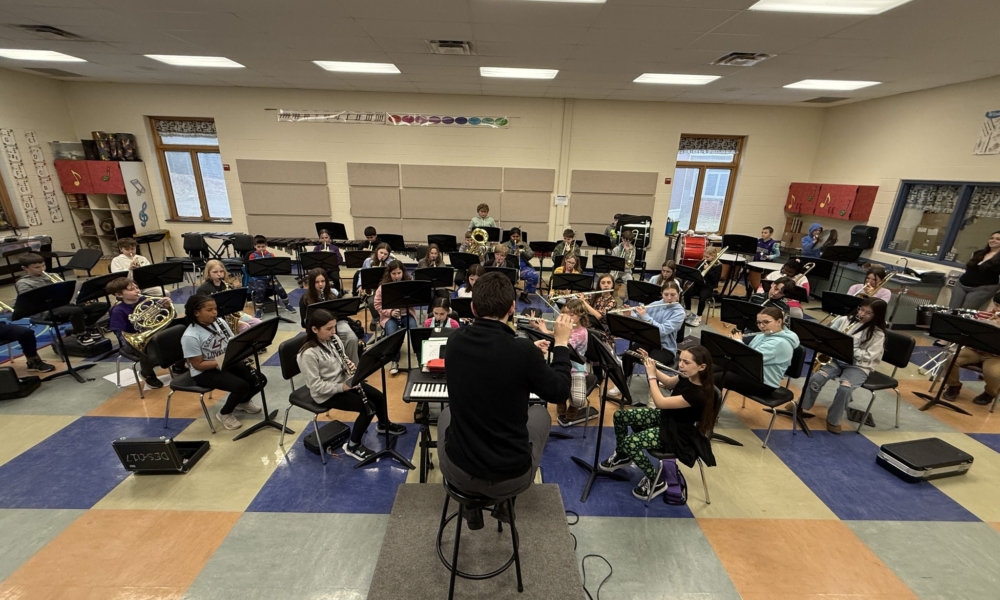
While difficult to quantify due to its evolving nature, each element of the initiative typically involves weeks or months of preparation, including repertoire selection, planning, family communication, and collaboration with stakeholders. On event day, several hours are devoted to setup, coordination, and performance. Collectively, the initiative represents hundreds of hours annually and is embedded into both the school curriculum and culture.
The initiative follows the school-year calendar, with each year building on the last through expanded offerings and refined traditions:
Fall
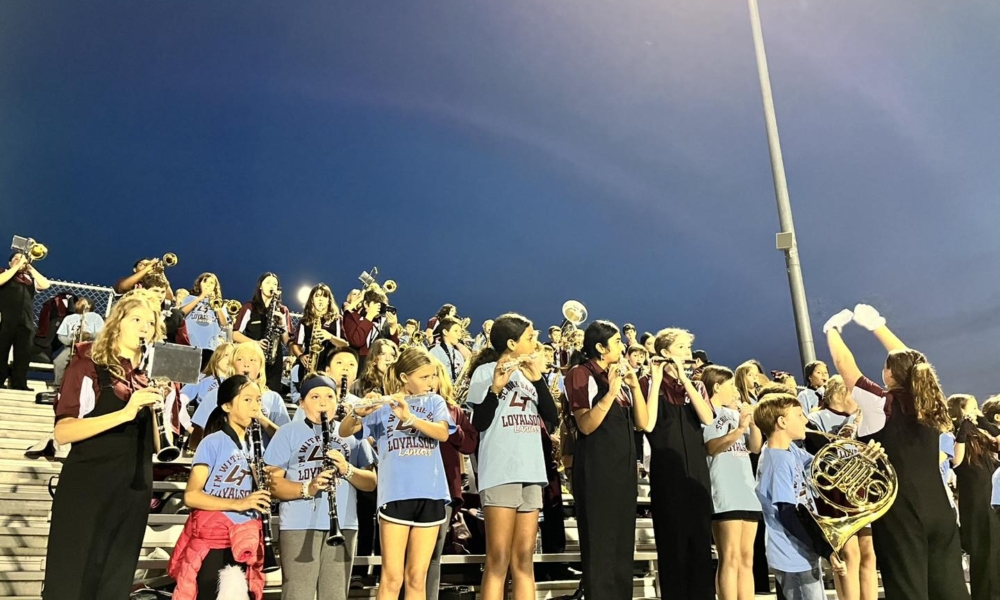
– 4th/5th: Attend and/or perform stand tunes with the high school band at Marching Band Night for recognition and inspiration.
– 5th: Present the “Spooktacular,” a costumed community concert involving 5th–8th grade ensembles with post-concert engagement. This year includes a local university band to demonstrate long-term musical involvement.
– 5th: Provide patriotic music for the school’s annual Veterans Day assembly honoring local veterans.
Winter
– 5th: Perform at the Winter Concert and lead “carols” at the school-wide holiday Sing-A-Long.
Spring
– 4th: Present the “Iceberg Informance,” an informal family showcase.
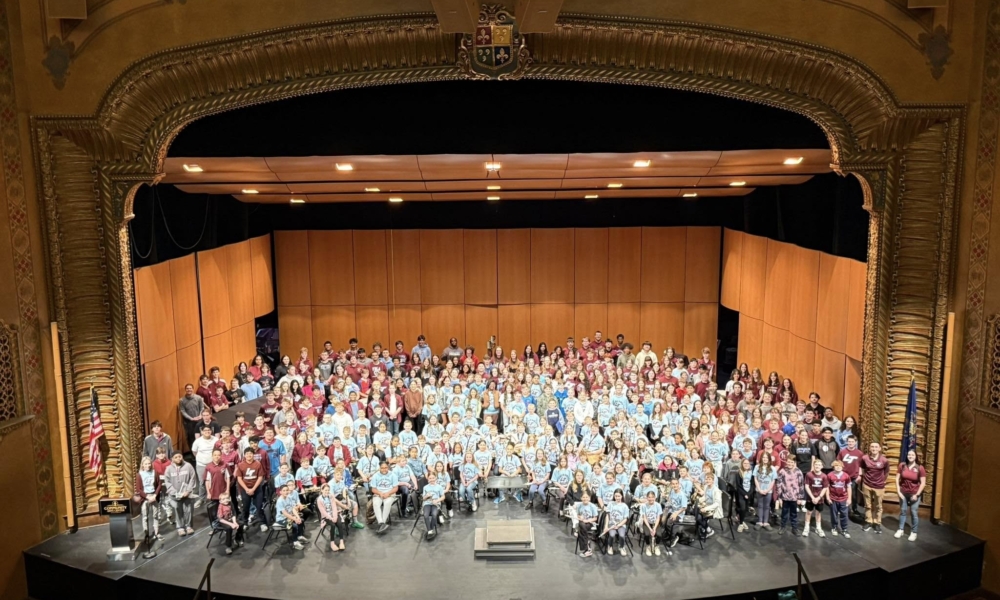
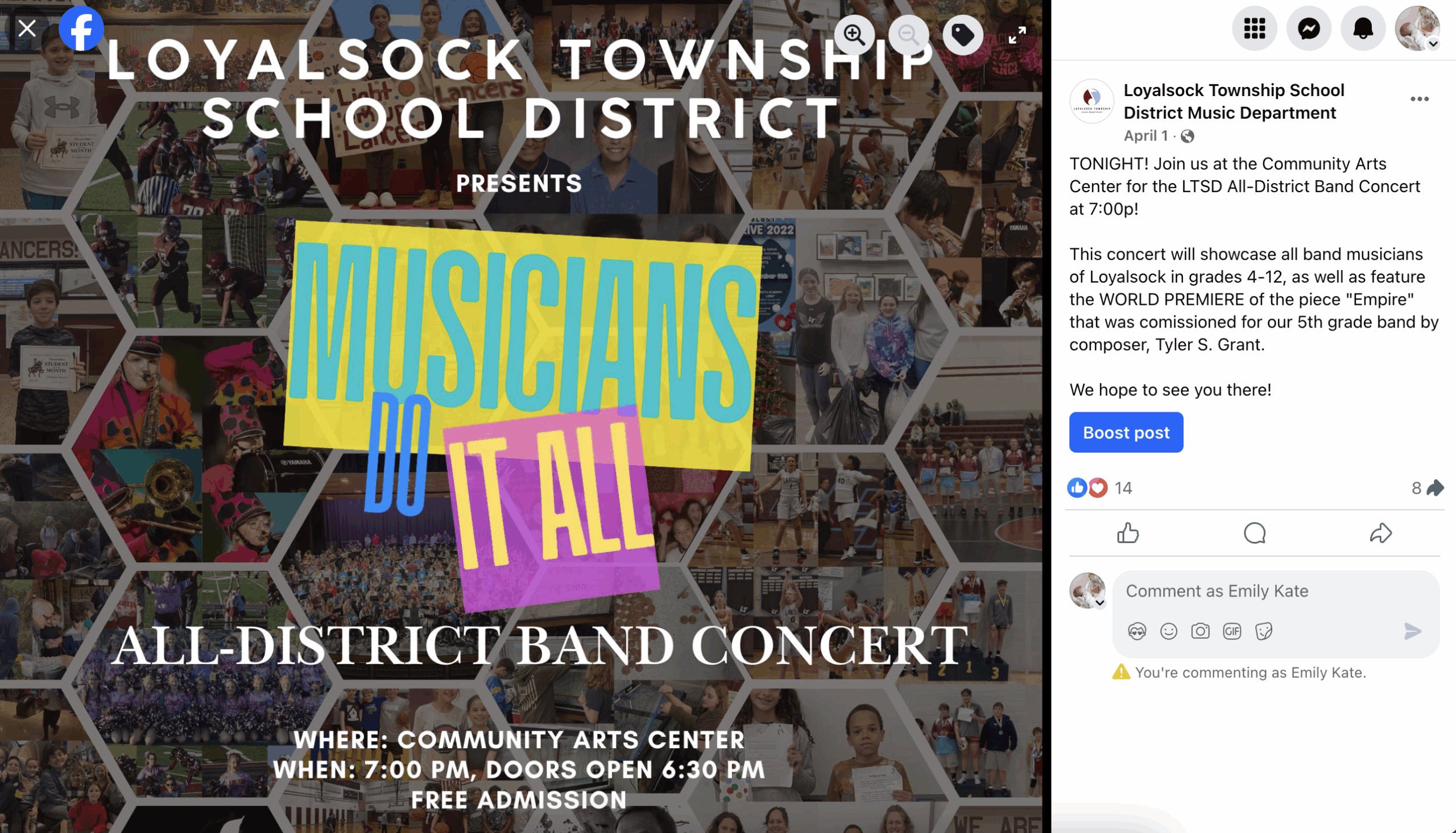
– 4th/5th: Perform in the Music in Our Schools Month Concert—rotating between an All-District Concert and the “Elementary Extravabandza” (featuring a family band taught by students).
– 5th (every 3 years): Premiere a commissioned piece in collaboration with a composer. In 2025, students helped shape a new work by Tyler S. Grant through a storytelling project.
– 4th/5th: Present Spring Concerts, join the Music Department “State of the Union” to the Board, and visit 3rd grade classrooms to demonstrate instruments.
Overview of Planning and Execution
The success of this initiative relies on a collaborative network of school and community stakeholders:
Central Administration (Superintendent, Business Manager)
Provided essential financial and philosophical support, including funding for transportation, equipment, commissioned works, and venue rentals. Their time commitment included regular planning meetings, budget discussions, and attendance at major events.
Building Principals
Offered logistical and instructional support, helping to coordinate schedules, approve in-school performances, and communicate with staff and families. Their time commitment varied based on event involvement but included pre-event coordination and on-site support.
Grade-Level Teachers (4th & 5th Grade Classrooms)
Allowed for flexible scheduling and collaborated on cross-curricular connections. Their time investment included adjusting classroom instruction and supporting student attendance at rehearsals and performances during the school day.
K–12 Music Department
Worked in close collaboration to coordinate concerts, share resources, and develop district-wide traditions such as the All-District Concert and the annual “State of the Union” presentation. Time commitment involved regular department meetings, event planning, and day-of logistics.
Families and Guardians of nearly 150 Students
Played a critical role in transportation, encouragement, and event participation. Many volunteered for event setup, costuming (e.g., Spooktacular), and even participated in the Family Band. Their ongoing involvement was essential to the success of both student performers and overall programming.
This broad-based team approach ensured that each event was well-supported, meaningful, and reflective of a shared commitment to high-quality, visible elementary music education.
Tools and Resources
A wide range of tools and resources are used to bring this initiative to life, spanning instructional materials, communication platforms, logistical supports, and creative assets.
Instructional Tools: Method books, warm-up exercises, and developmentally appropriate repertoire were selected to support student growth and concert production. Custom arrangements and original compositions—specifically for the commissioned works—ensured content was tailored to student skill levels and artistic goals.
Technology Platforms: Google Workspace (Docs, Sheets, Slides, Forms) was used for collaborative planning, scheduling, and organizing logistics. Canva and iMovie supported the design of concert programs, promotional materials, and advocacy visuals. Mentimeter was also used for storytelling development. SeeSaw and email lists were used for real-time communication with families.
Community and Performance Spaces: School stages, gymnasiums, football fields, and the local Community Arts Center provided versatile performance venues that met different advocacy goals—from formal concerts to informal, community-centered events.
District and Administrative Support: Financial support from central administration helped secure transportation, commission fees, and venue use. Scheduling flexibility and administrative buy-in were crucial in integrating events into the school day and calendar.
Human Resources: Volunteers, including family members and colleagues, assisted with event logistics, supervision, and even performance (as in the Family Band). Collaborations with professional composers and guest clinicians added depth and authenticity to student experiences. These tools and resources worked in tandem to amplify visibility, deepen student learning, and build strong community engagement around elementary instrumental music.
Marketing and Promotion
Marketing and promotion are essential components of this initiative, designed not only to increase event attendance but to build awareness and support of elementary instrumental music. Strategies included:
Clear, Consistent Communication: Personalized concert invitations, rehearsal reminders, and event updates were shared through multiple channels—email, school social media, and SeeSaw—to ensure families stayed informed and felt welcomed as partners in the process.
Professional-Quality Visuals: Event flyers, programs, and digital media were created using tools like Canva to reflect the care and quality of the student experience. These materials elevated the perception of the elementary band and gave students a sense of pride in their work. They were also shared throughout the community via the school district’s social media.
School-Wide Broadcast Integration: Episodes of Schick TV, our bi-monthly student news channel, were used to promote upcoming performances and celebrate recent ones. iMovie was used to create engaging promotional segments featuring student speakers and sneak peeks of concert music. These segments allowed all grade levels to see and hear what was happening in 4th and 5th grade band, increasing awareness and sparking interest in joining the program.
Community and Social Media Engagement: Performances and student highlights were regularly shared on the Loyalsock Township Music Department’s Facebook page—the primary social media platform used to reach families, alumni, and community members. These posts expanded the reach of our advocacy efforts and reinforced the band program’s presence in the broader community.
Student Ambassadors: Students played a central role in promotion—inviting guests, narrating concerts, writing scripts for Schick TV, and even teaching the family band. Their leadership personalized the experience and increased buy-in from families and peers.
These strategies strengthened visibility, improved student recruitment, and built a strong foundation of support across the community, ensuring that the value of early instrumental music was clearly communicated and widely celebrated.
Costs
Commissioned Work: $3,000.00
Community Arts Center Venue Rental: $4,000.00
Repertoire: $400.00
Total: $7,400.00
Challenges/Obstacles
One of the most significant challenges was planning and executing a wide variety of high-quality performance experiences with young musicians who receive (at best) between 30 and 70 minutes of instruction per week through a pull-out schedule. With limited ensemble rehearsal time and instructional interruptions due to scheduling conflicts or school events, it was essential to be strategic. This was addressed through intentional curriculum pacing, careful repertoire selection, and the creation of developmentally appropriate, engaging performance experiences. Collaboration within the K–12 Music Department and feedback from families and students also helped shape events to be both meaningful and manageable.
Performance space posed another major obstacle. The size of our ensembles and their audiences often exceeds the capacity of our school district’s auditorium. In response, we adapted by utilizing alternate spaces—such as hosting our October Spooktacular concert in a school gymnasium and holding our All-District concert at the local community arts center. Flexibility in staging and programming was essential to ensuring these events remained logistically feasible and retained their impact.
Finally, funding unique opportunities—such as commissioning a new work—required proactive planning and advocacy. Formal proposals were presented to the central administration and the school board, demonstrating the educational value and community impact of these experiences. These efforts led to approved support, thanks to strong relationships, transparency, and a proven track record of success.
These challenges, while significant, ultimately strengthened the initiative by fostering resilience, creativity, and a deepened sense of collaboration across the school community.
Success/Effectiveness Measurement
Yes, this initiative has been highly effective in strengthening and sustaining our elementary instrumental music program. For instance, all 136 students enrolled in elementary band during the 2024–2025 school year directly benefited. Enrollment remains strong, with 98 students—about 65% of the fourth-grade class—registering for band. Retention is high: 89% of fourth-grade band students re-enrolled for fifth grade, and over 92% of fifth graders plan to continue in middle school band. Looking ahead, over 80% of current third graders have expressed interest in joining next year.
Institutional support has grown alongside student interest. District leadership continues to renew funding for key initiatives, including our commission series and community venue rentals. School board members have personally expressed appreciation for the program’s impact through messages and direct conversations.
Instructional time has also increased. Since this initiative began, I have been assigned to teach 17% more lessons per week, and lesson frequency has improved from every six days to every five. I now lead 43 weekly small-group lessons by instrument, with only 1–5 students per group. Band rehearsals are scheduled during the school day, reducing participation barriers. These instructional improvements have remained consistent since this initiative began and continue to support program access and quality.
Qualitative data also reflects community enthusiasm. Families and board members regularly share feedback expressing pride and excitement. Concerts consistently fill performance spaces to capacity—we’ve even needed to move to larger venues.
Overall, this initiative has elevated our band program and contributed to a broader culture of artistic excellence, pride, and engagement across the district. It has enhanced student experience, strengthened community ties, and reinforced the value of sustained music education.
Community Impact
This initiative has meaningfully strengthened the instrumental music program across grades 4–12 by increasing both student interest and long-term participation. Registration and retention rates have notably improved district-wide, driven by the excitement, visibility, and sense of community fostered through frequent, engaging performances.
The band’s involvement in key school events has also elevated school culture. Annual traditions like the Veterans Day ceremony—honoring nearly 100 local veterans—and the school-wide winter holiday sing-a-long are more impactful and memorable with student musicians at the center. These performances help connect students to the broader community while reinforcing music’s role in civic engagement and celebration.
The initiative has also helped deepen family engagement with the school. Concerts and interactive events such as Spooktacular and Family Band offer families accessible, joyful entry points into the school experience. Many of these performances include opportunities for parent participation, volunteering, or simply connecting with staff and one another in a meaningful setting—all of which strengthen the home-school relationship.
At the district level, the music department has become a frequently cited source of pride among families and community members. Stakeholder feedback and anecdotal data suggest increased satisfaction with the district, with the elementary band’s visibility and achievements often spotlighted as a defining strength.
Finally, community pride in the school district has grown in step with the band program’s expansion. The initiative’s emphasis on celebration, inclusion, and transparency has helped position elementary band as both a cultural centerpiece and a symbol of the district’s commitment to the arts. It has embedded music into the fabric of the school and community, creating lasting value for students while strengthening support for arts education at all levels.
Advice for others?
Don’t fear performances with limited rehearsal time—students will rise to the occasion. Focus concerts on education, not just performance. Start small, be flexible, collaborate often, and showcase the learning process. This builds student pride, family involvement, and lasting community support.






Supporting Materials


Elementary Band State of the Union Script (PDF)
Iceberg Informance Program (PDF)
Marching Band Night Invitation (PDF)
Instrument Demo Promo Videos (Made by 4th/5th graders FOR 3rd graders):
https://drive.google.com/file/d/1Y1MG6gQnyjRGKY_9gb5D09EASoCRPSQP/view?usp=sharing
Spooktacular Concert Program:
https://www.canva.com/design/DAGTphLd2lA/uAqapsLSXJt2H8kP3Pdx2g/edit?utm_content=DAGTphLd2lA&utm_campaign=designshare&utm_medium=link2&utm_source=sharebutton
Schick TV Band Feature:
https://drive.google.com/file/d/157yqc5g0VzeSQitsQDBkWmMyRYAKYgwb/view?usp=drive_link
All-District Concert, “Musicians Do It All” theme (click first video- “250401 LTSD All District Band Concert” from 0-29 minutes)
https://www.dropbox.com/scl/fo/3rpa3err94tqt5qyxynja/AC0ZAOvEYqDBejoCsy2ePNY?rlkey=cjznsnysrnbk7mp44yd0mofn1&e=1&st=2uui7gyg&dl=0