
OrchaPalooza
Princeton City Schools 6-12 Orchestra, Cincinnati, Ohio
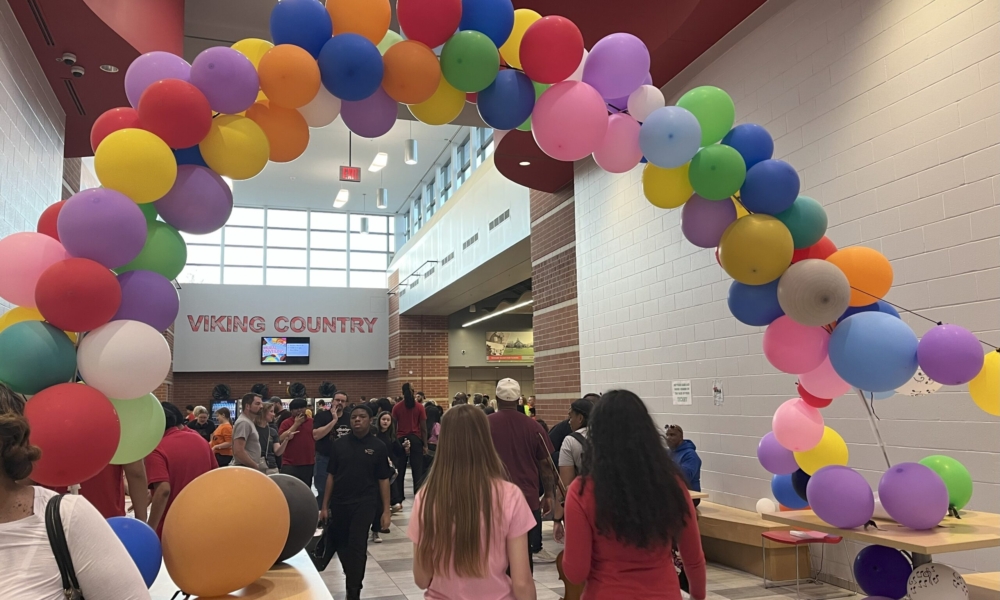
Description
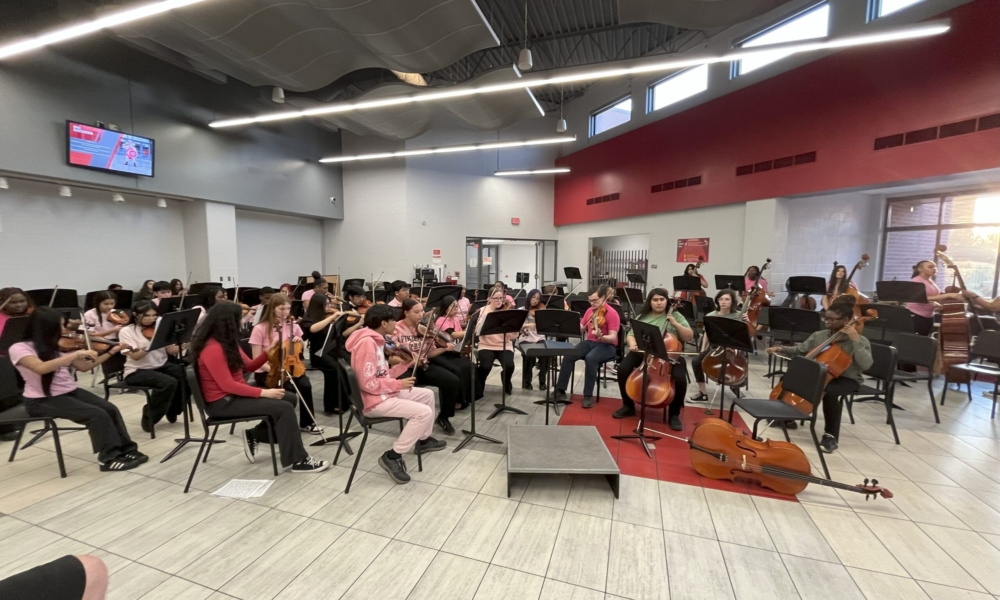
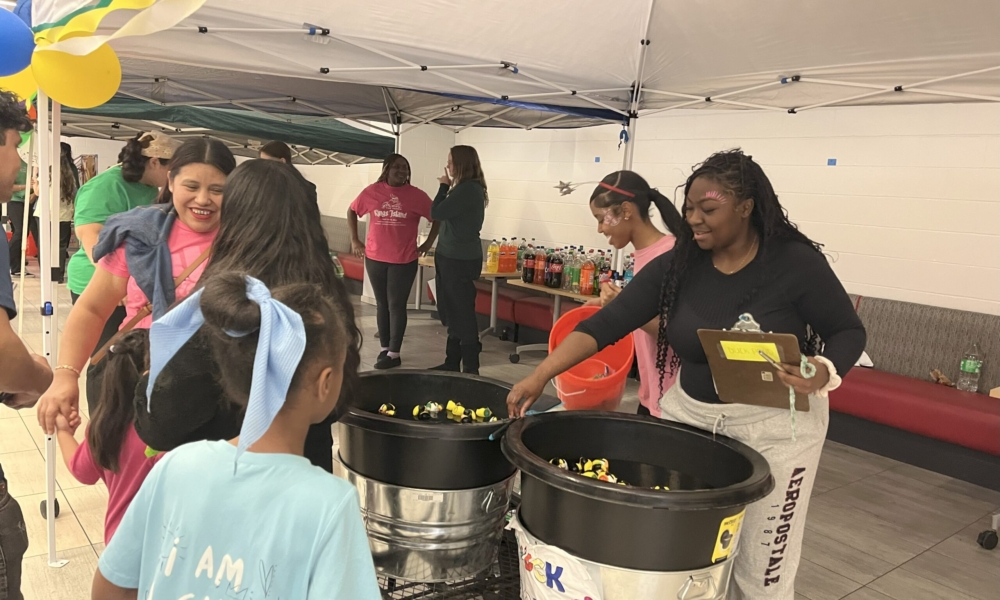
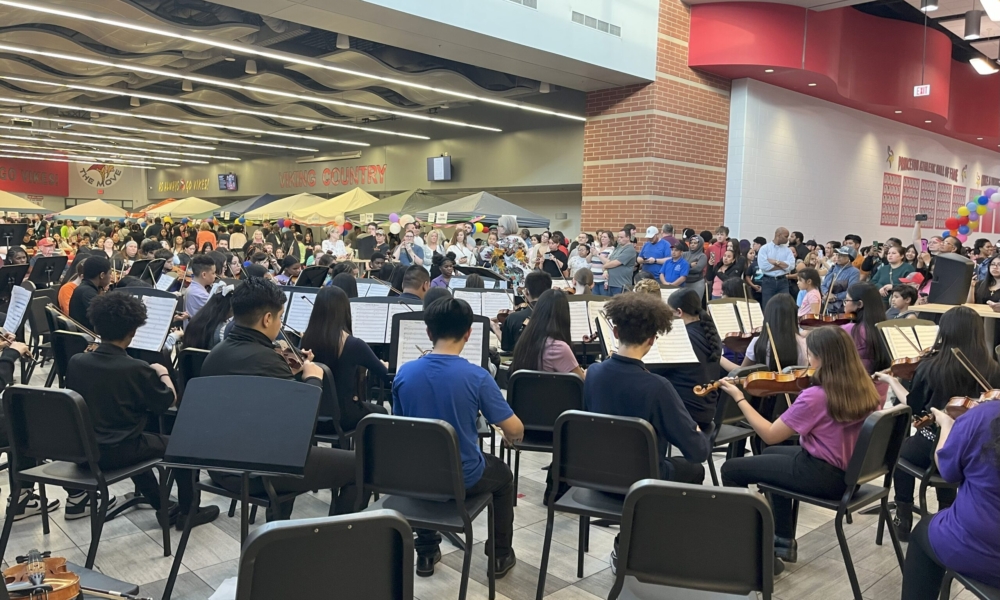
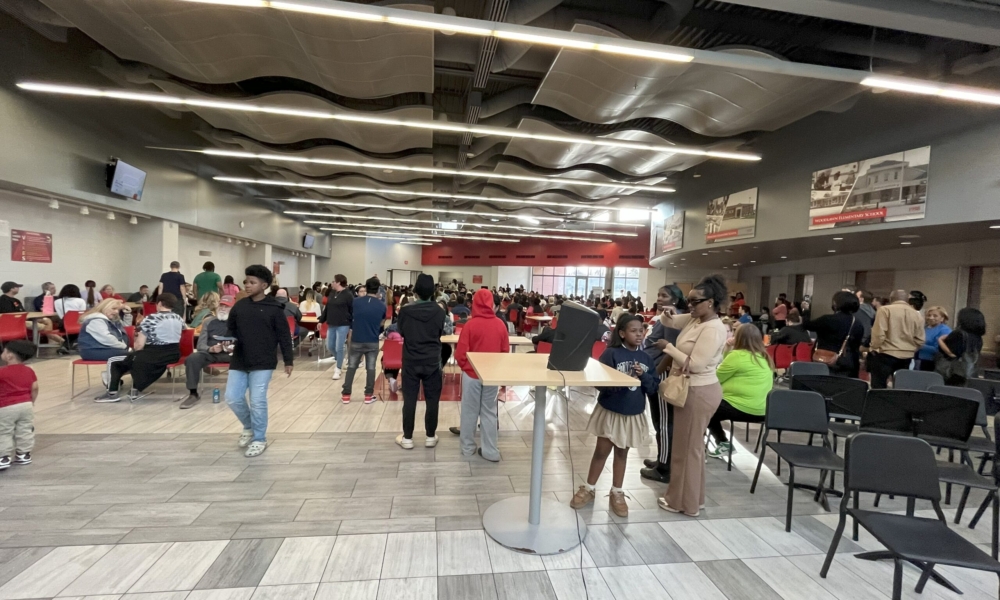
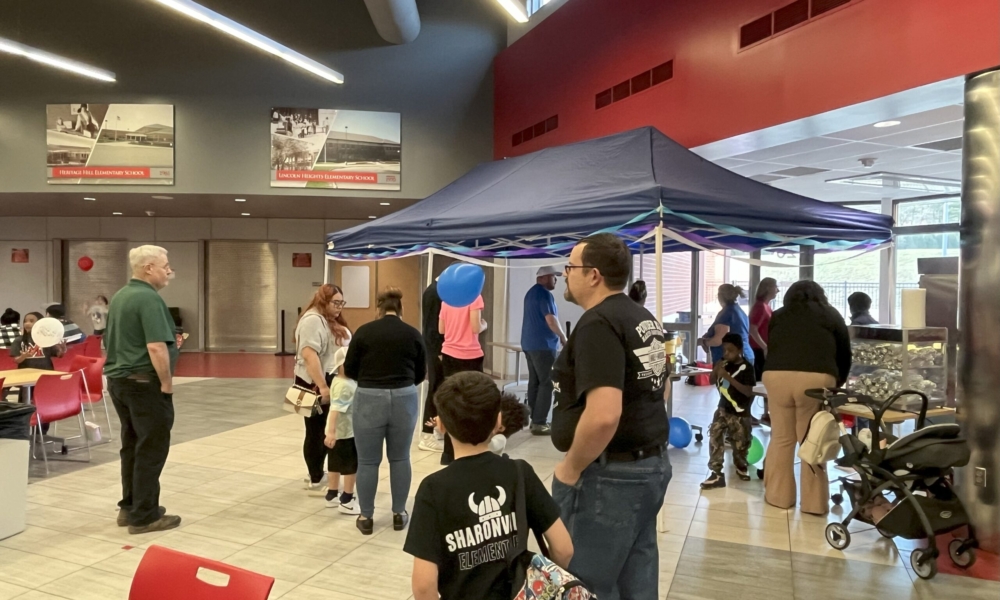
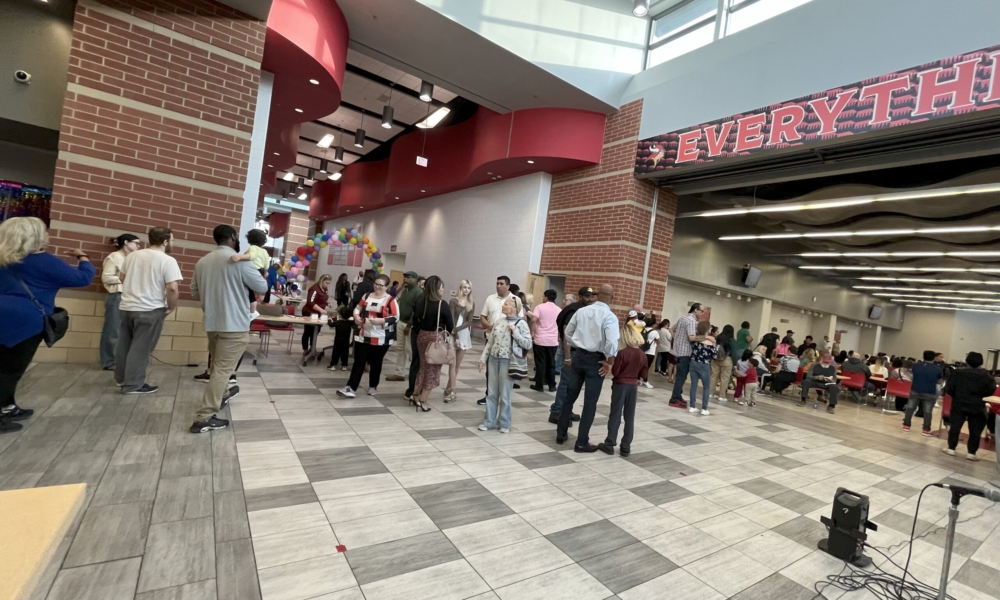
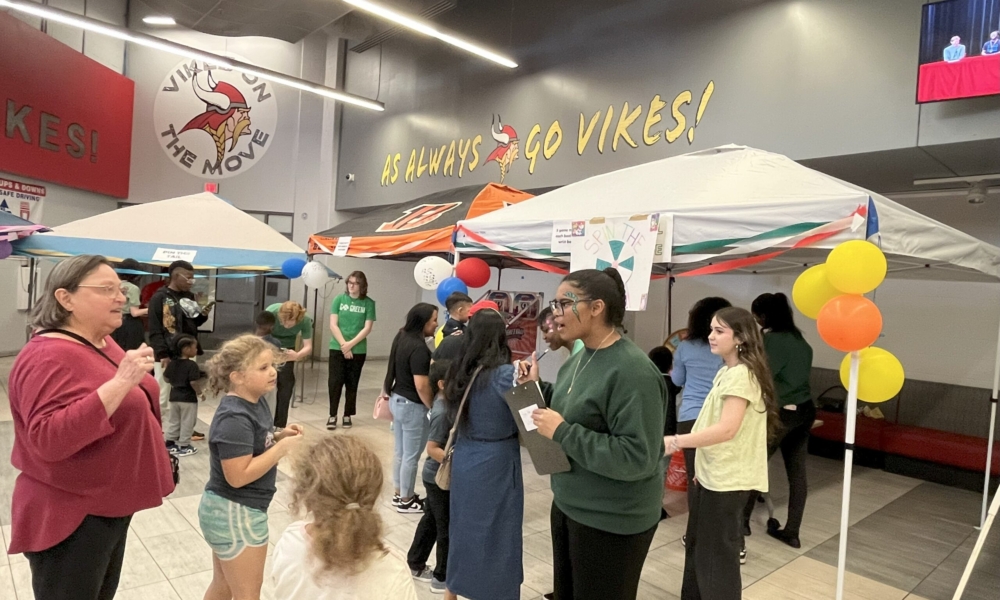
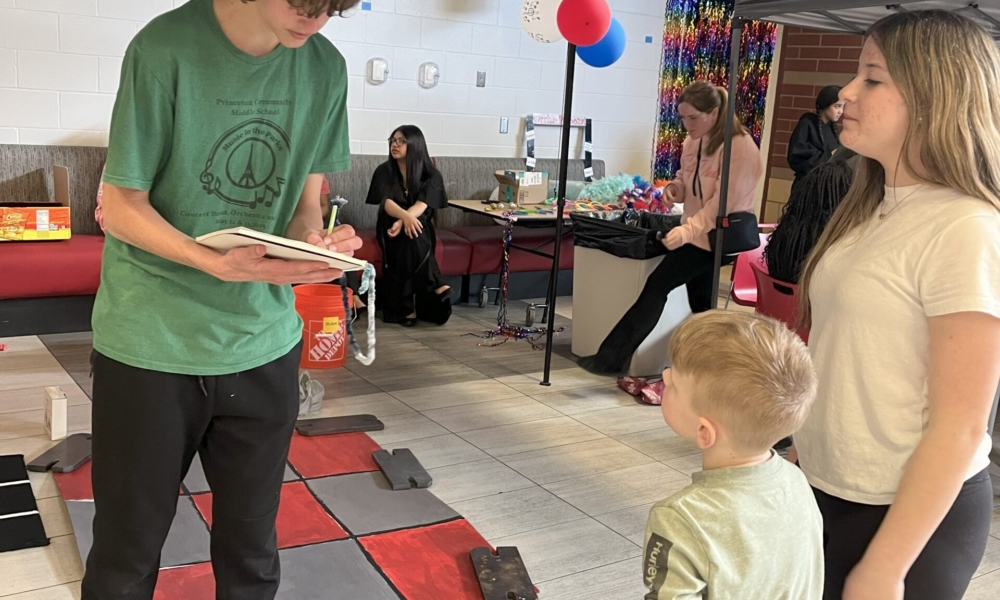
To sustain our orchestra program amid limited funding, we created a student-centered event called OrchaPalooza—an evolution of our original May Mixer. This festival-style celebration brought together grades 6–12 for a day of music-making, mentorship, and community-building. Featuring games, performances, food, and vendor booths, the event successfully blended fundraising with student engagement. Generating over $4,000 in just four hours, we funded instrument repairs, purchased new music, and bolstered our booster account—all while strengthening retention and excitement within our orchestra community.
Objectives
The objectives of our advocacy initiative were to:
Sustain and enhance the orchestra program despite limited funding.
Ensure students could continue learning and performing within the school day.
Foster student retention and build a strong, connected orchestra community.
Provide mentorship opportunities between older and younger students.
Create a collaborative, engaging event that highlights the value of music education.
Raise funds to support essential program needs, including instrument repairs and music purchases.
Involve families and the broader community in supporting and celebrating the orchestra program.
Target Audience
Our orchestra students are the heart of our advocacy initiative because they embody the purpose and future of our program. In the face of shrinking budgets and rising costs, our goal was to ensure that students could still access meaningful music education within their regular school day. These students don’t just learn to play instruments—they build confidence, teamwork, discipline, and a sense of belonging. Many of them remain in orchestra from middle through high school, forming lasting connections and developing leadership skills. By centering the event around their experience, we gave them a space to shine both musically and socially. Events like OrchaPalooza not only gave students a platform to perform, but also allowed older students to mentor younger ones, creating bonds that strengthen the overall program. The games, booths, and performances weren’t just fun—they helped deepen student engagement and pride in their role as musicians and teammates. Our students helped build games, brainstorm ideas, and set up for the event, showing that their involvement was essential from planning through execution. Everything we did—from raising funds to organizing logistics—was designed to support their growth, creativity, and retention. Our students are the reason we continue to advocate.
Timeline
September 2024 – March 12, 2025 (Wednesdays, Thursdays, and Mondays only)
September 2024
Mon, Sept 9 & Wed, Sept 11: Brainstorm event goals and assign planning roles
Thurs, Sept 19: Begin list of games, supplies, and music performance schedule
Mon, Sept 23: Host first lunchtime meeting (12:30–1:00 pm) to outline tasks
October 2024
Wed, Oct 2 & Thurs, Oct 10: Meet with colleagues to finalize schedule and logistics
Mon, Oct 14: Begin reaching out to community venues for toy/treat donations
Wed, Oct 23: Start collecting donated items and store for later use
November 2024
Mon, Nov 4: Music Booster Meeting (7:00–8:00 pm) – present budget and support needs. Discuss the food needed and resources for volunteers
Wed, Nov 6 & Thurs, Nov 14: Order prizes, games, and booth materials online
Mon, Nov 18: Lunchtime check-in meeting
December 2024
Thurs, Dec 5 & Wed, Dec 11: Begin after-school student build sessions (2:30–4:00 pm)
Mon, Dec 16: Organize collected supplies and track remaining needs
January 2025
Mon, Jan 6 & Wed, Jan 15: Continue student build sessions and gather prize materials. Organize treats and prizes
Thurs, Jan 23: Reach out to parents for tent and supply donations
Mon, Jan 27: Lunchtime planning check-in
February 2025
Mon, Feb 3: Music Booster Meeting (7:00–8:00 pm) – confirm volunteers and sales plans
Wed, Feb 5 & Thurs, Feb 13: Finalize stage schedule and booth layout
Mon, Feb 24: Begin assembling packaged prizes and game kits
March 2025
Mon, Mar 3: Final Music Booster Meeting (7:00–8:00 pm) – confirm logistics
Wed, Mar 5 & Thurs, Mar 6: Confirm equipment drop-off and volunteer times
Wed, Mar 12 (Event Day): 2:30–6:30 pm: Set-up by Music Boosters, parents, and high school students (Event launch follows set-up)
This schedule ensured steady, efficient progress while balancing school responsibilities.
Overview of Planning and Execution
Orchestra Directors: Led development and execution of OrchaPalooza, including prize purchases, organizing student game-builders, assigning volunteers, and managing decorations and performances.
Time Commitment: ~90 hours (planning meetings, after-school sessions, communication, setup, and event supervision)
District Communications Coordinator & Booster Secretary: Managed event promotion on all district platforms, assisted with budgeting through the Music Boosters, and volunteered on event day.
Time Commitment: ~20 hours (communications, Booster meetings, budget planning, and day-of volunteering)
Choral Colleague: Helped with day-of-event organization and decoration and volunteered during the event.
Time Commitment: ~10 hours (planning support, setup, and volunteering)
Music Department Chair: Coordinated logistics during the school day for student participation and donated game prizes.
Time Commitment: ~8 hours (school coordination and support)
Music Booster President: Led parent volunteer coordination, helped manage the snack bar, and supported planning and setup.
Time Commitment: ~25 hours (Booster leadership, logistics, snack bar, and setup)
Booster Treasurer: Tracked all financials related to the event, managed funds, and provided post-event reporting.
Time Commitment: ~10 hours (financial planning and tracking)
Past Booster President: Supported planning logistics and helped with physical setup and operations on the day of the event.
Time Commitment: ~10 hours (consulting and hands-on support)
Tools and Resources
Our advocacy initiative relied on a combination of creative, organizational, and community-based tools and resources to bring OrchaPalooza to life. Key tools included collaborative planning meetings, held during lunch and after school, to coordinate logistics, student roles, and materials. Digital communication platforms, managed by the District Communications Coordinator, allowed us to promote the event widely through email, school websites, and social media, increasing visibility and community support.
We used budget planning tools provided by the Music Boosters to track expenses, allocate funds, and manage proceeds. Booster officers helped secure and manage funding, with donations and purchases tracked to ensure accountability. Online shopping platforms were critical for ordering game supplies, decorations, and prizes in a cost-effective and timely manner.
Student engagement was a major resource. After-school workshops gave students hands-on opportunities to build games, decorate booths, and take ownership of the event. Their creativity and involvement were essential to both the experience and the advocacy impact.
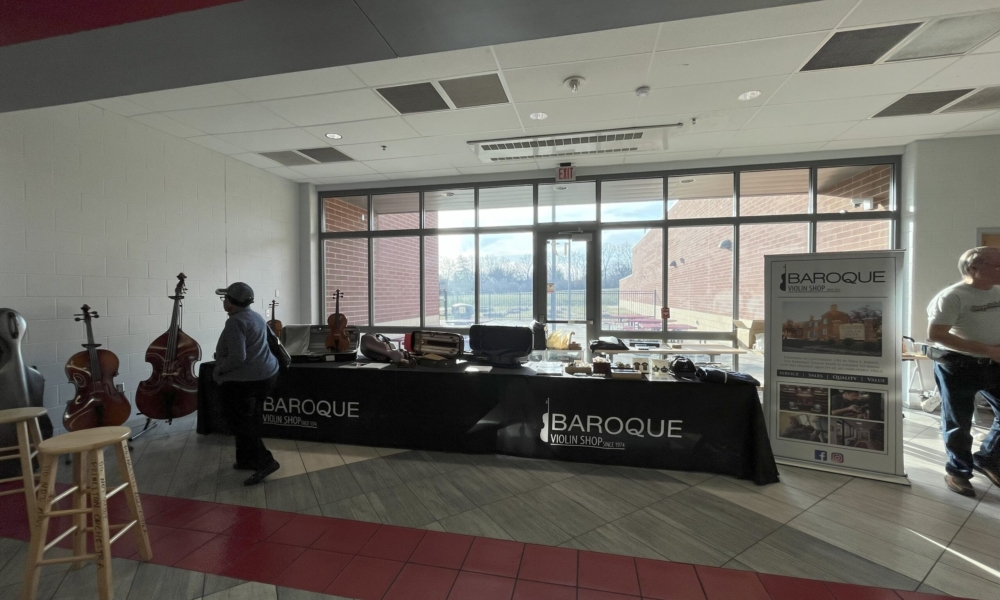
Physical resources included tents, tables, and chairs donated by parents, transforming the venue into a vibrant festival space. Performance equipment, such as music stands, sound systems, and instruments, was coordinated through the music department for seamless stage performances. We also leveraged community partnerships, inviting a local string vendor to set up a booth offering upgrades and accessories for families.
Finally, volunteer support from teachers, parents, and Music Booster members was an invaluable human resource. Their time and energy enabled the setup, operation, and cleanup of the event to run smoothly, while also modeling strong community investment in the arts.
Together, these tools and resources allowed us to create a memorable, impactful event that reinforced the value of our orchestra program while raising vital funds for its future.
Marketing and Promotion
To effectively market and promote OrchaPalooza, we used a multi-platform strategy that combined digital outreach, in-school visibility, and community engagement. Our District Communications Coordinator, Tish Jones, played a key role by promoting the event across all official school platforms, including the district website, social media pages, newsletters, and email blasts. This broad outreach helped generate excitement and ensured that families, staff, and the wider community were informed well in advance.
Within the school, we used posters, student-made flyers, and announcements to create a buzz. Teachers and students discussed the event in class, reinforcing its importance and encouraging participation. Student involvement was another key promotional tool—when students are excited and involved, they naturally spread the word to peers and parents. By assigning roles and responsibilities, we gave students a personal investment in the event’s success, turning them into our most effective advocates.
Our Music Boosters helped spread the word through their networks, including parent groups and community contacts. Booster meetings served as additional planning and promotional opportunities, encouraging family attendance and support.
This marketing strategy had a strong positive impact. It resulted in high attendance from families, strong community engagement, and a record number of volunteers. The promotional efforts also helped reinforce the value of the orchestra program, positioning it as a vital and celebrated part of the school experience. As a result, we raised over $4,000 and deepened public awareness of how music education benefits students—helping to secure support for future advocacy and funding needs.
Costs
The only expense recorded from OrchaPalooza’s pass-through funds was $440.24, which covered prizes for games. The Orchestra Directors used monies from their previously fundraised monies in their pass-through accounts with their Music Boosters. Additional expenses were incurred by the Music Boosters’ main account to support the concessions setup. Specifically, $300 was spent on pizza and $186.48 on hot dogs and buns. While candy and drink purchases also contributed to the event, those events were left over from previous concessions from the boosters, so no budget or cost was shared with OrchaPalooza.
The total gross proceeds from OrchaPalooza 2025 amounted to $4,047. Of this, Concessions generated the largest share, bringing in $1,724, which accounts for 42.60% of the total. Wristbands followed closely behind with $1,500, making up 37.06%. The Raffle raised $427, contributing 10.55% to the overall proceeds, while Split the Pot brought in $242, or 5.98%. Lastly, the Sucker Pull generated $154, representing 3.81% of the total amount. These figures reflect the contributions of each fundraising activity to the event’s success.
Challenges/Obstacles
One of the main challenges we faced in planning OrchaPalooza was balancing our ambitious vision with limited time and funding. With a packed school schedule and tight budgets, finding time to plan, build, and coordinate the event while keeping students engaged academically was difficult. To address this, we strategically spread planning over several months, limiting meetings to 2–3 days per week and using lunch breaks and after-school sessions efficiently. Another obstacle was gathering enough supplies—games, prizes, and tents—without overspending. We overcame this by dividing purchasing and collection duties between directors and encouraging community support. Parents generously donated tents, decorations, and prize items. Finally, coordinating volunteers across grade levels and ensuring strong attendance was a challenge. Through consistent communication—emails, social media, in-class announcements, and Music Booster involvement—we were able to confirm volunteers and generate excitement. These proactive strategies helped us resolve logistical, financial, and scheduling hurdles, resulting in a smooth, successful event that met both our fundraising and advocacy goals.
Success/Effectiveness Measurement
Yes, our advocacy initiative was highly effective, both in its impact on student engagement and in achieving its fundraising goals. The most immediate and measurable outcome was financial—we raised over $4,000 in just four hours, allowing us to purchase new music, fund several long-needed instrument repairs, and contribute to our Music Booster account for future needs.
Community Impact
Our advocacy initiative, OrchaPalooza, had a meaningful and lasting positive impact on our music program, school, and broader community. For our music program, it provided essential funding—over $4,000—that allowed us to purchase new music, repair instruments, and invest in future needs, directly improving the quality of instruction and student experience. It also boosted student morale and retention, strengthening the program from within.
At the school level, the event brought together students from grades 6–12, fostering a sense of unity and mentorship across age groups. The collaborative atmosphere extended beyond the music room, as teachers, administrators, and parents took pride in seeing students lead and perform in a festive, community-centered setting.
District-wide, OrchaPalooza highlighted the value of the arts and demonstrated how music education can be a powerful unifier, drawing attention and praise from district leadership and families alike. It showcased the orchestra program as a vibrant, student-driven success story worthy of continued support.
In the community, the event built strong connections between families and the school. Parents volunteered time, donated resources, and attended in large numbers, reinforcing community investment in public education and the arts. Local music vendors were invited to participate, offering services and support to families while building ties with the school.
Overall, OrchaPalooza became more than a fundraiser—it became a celebration of creativity, collaboration, and the essential role of music in our schools and community.
Advice for others?
To replicate OrchaPalooza, it is important to keep students at the center—highlight their talents, build cross-grade connections, and involve them in planning, performing, and volunteering. Start early and organize tasks across a few days each week to avoid burnout. Build a collaborative team of directors, colleagues, boosters, and community members, assigning clear roles in logistics, budgeting, and promotion.